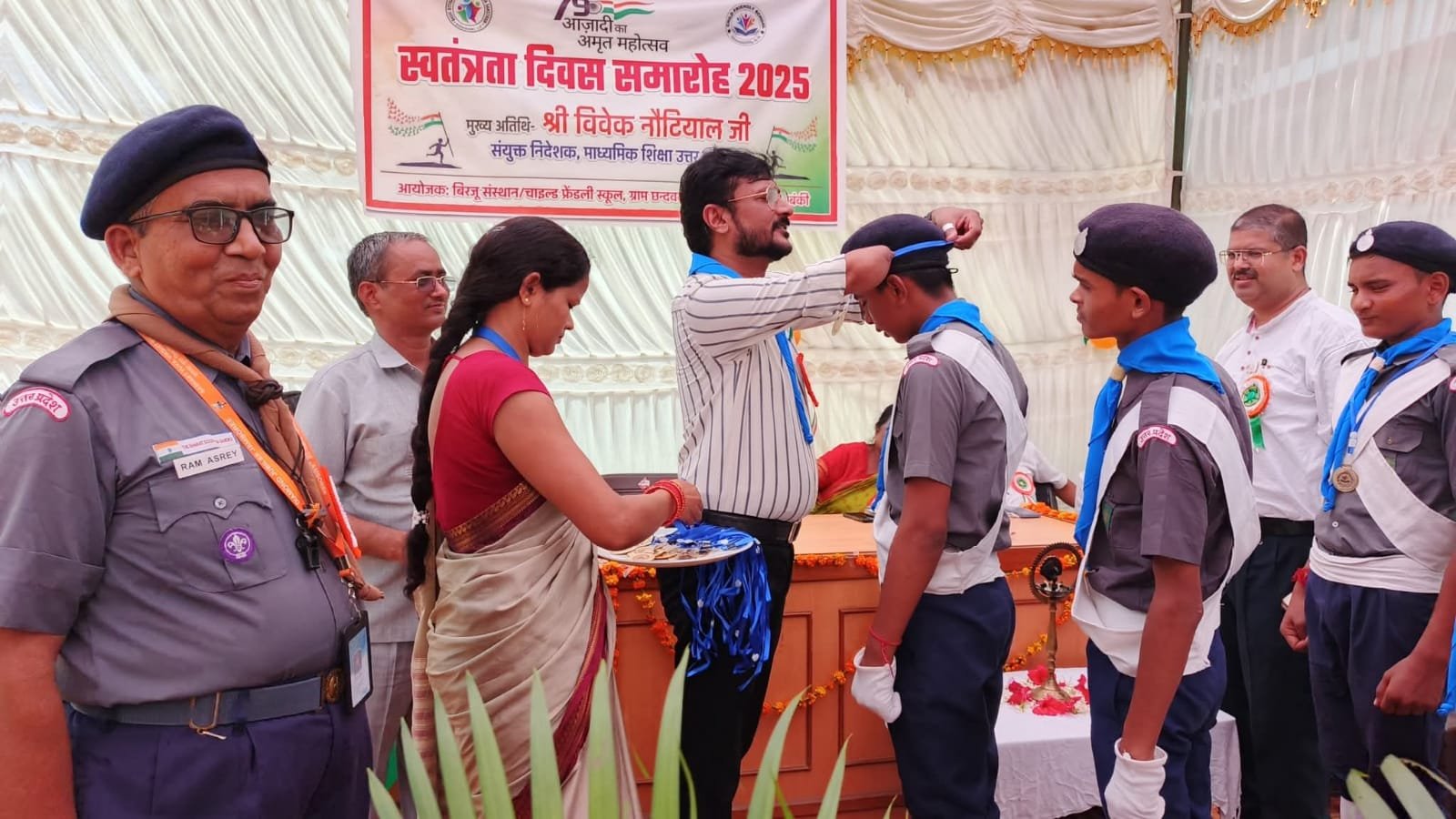
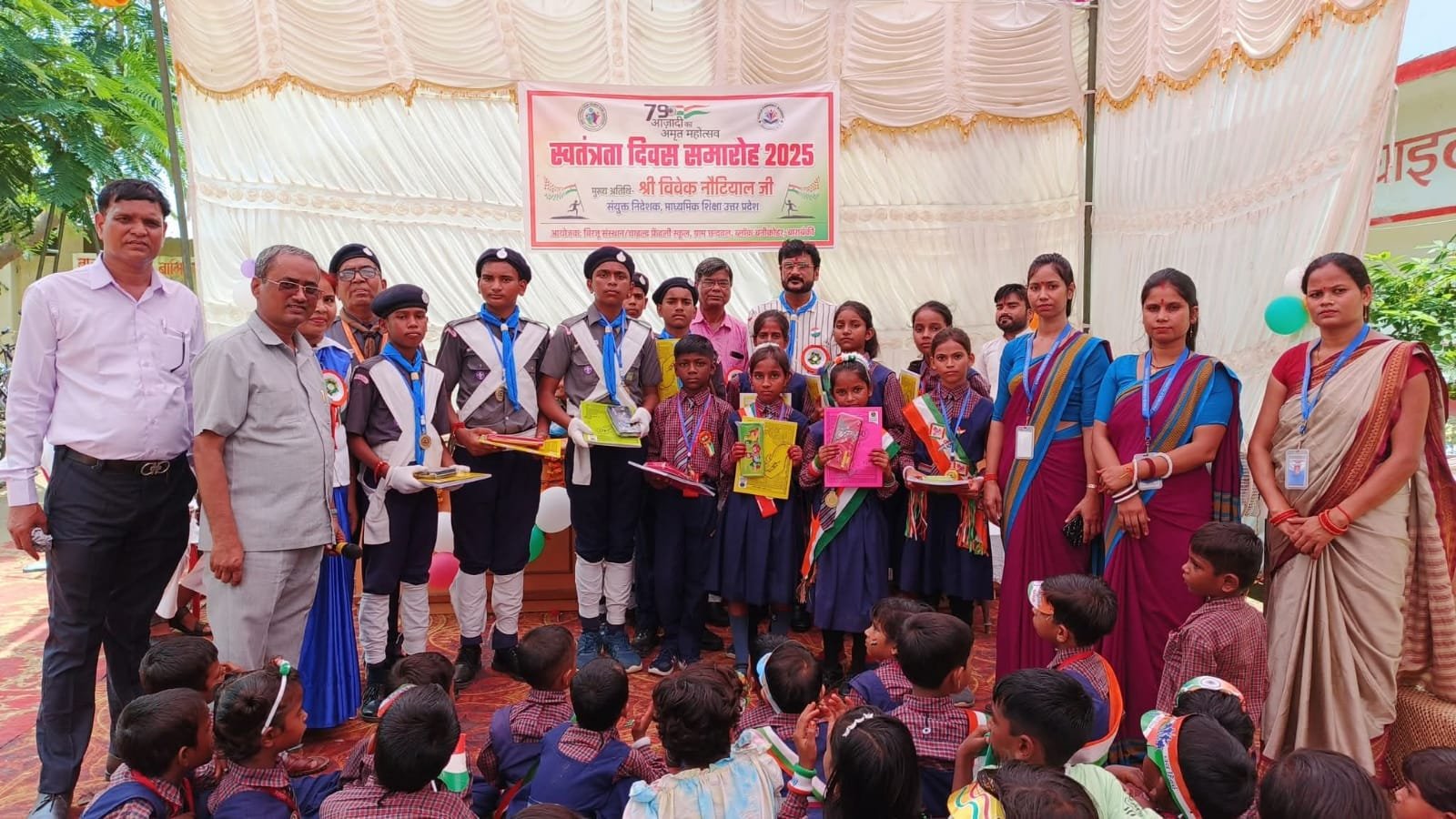
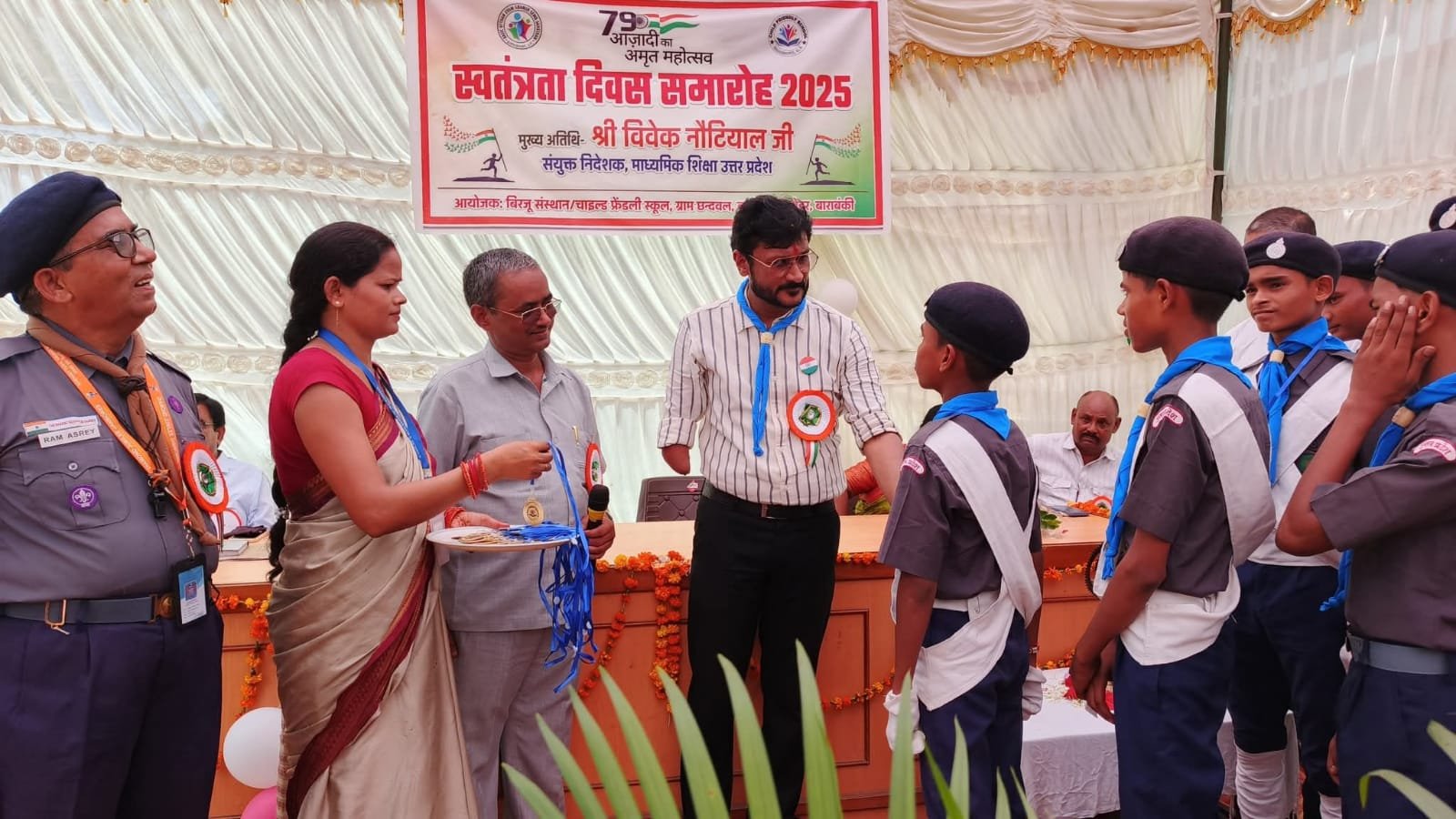
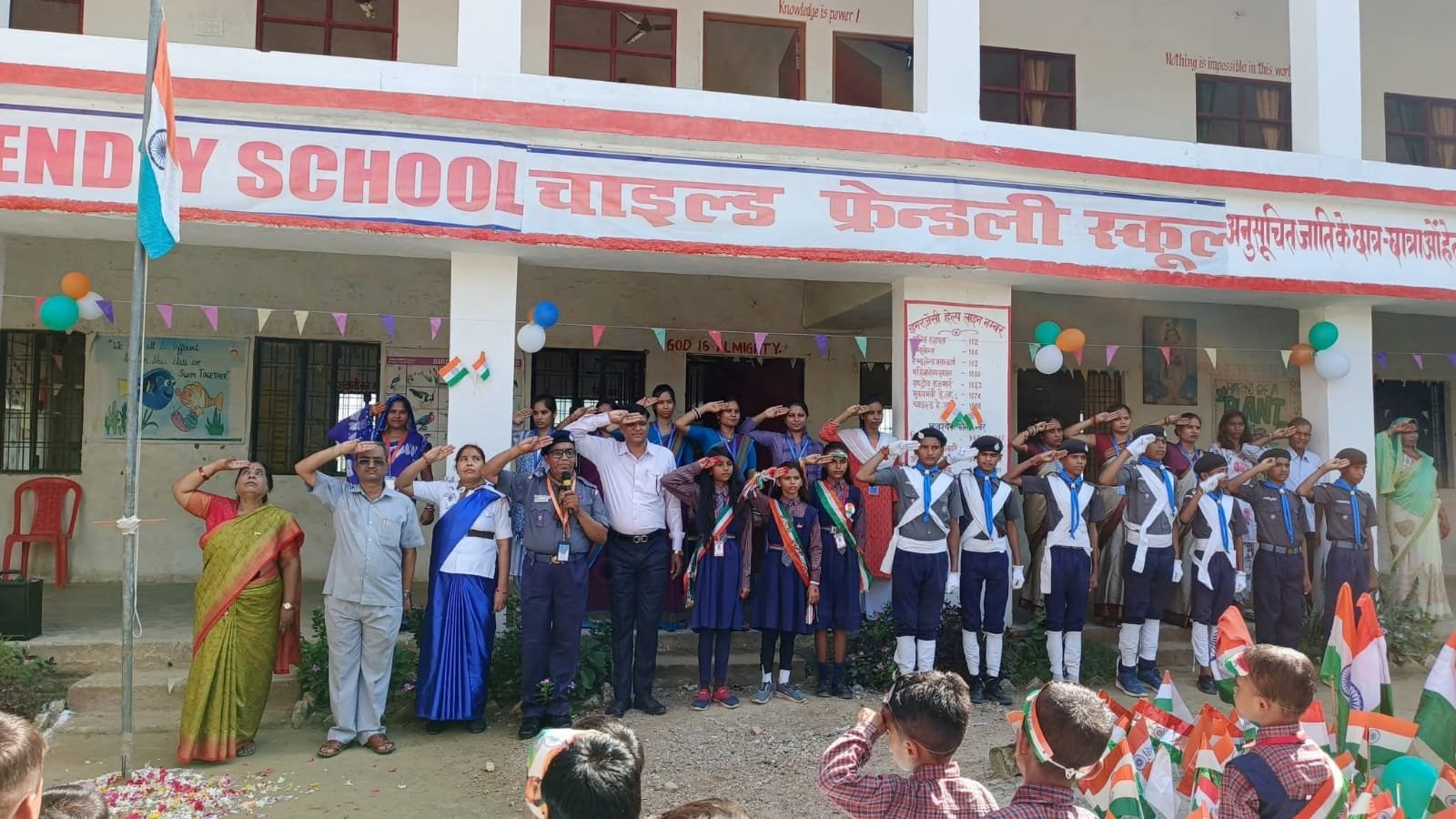
Basic Uthan Avam Gramin Sewa Sansthan — Child-Friendly School
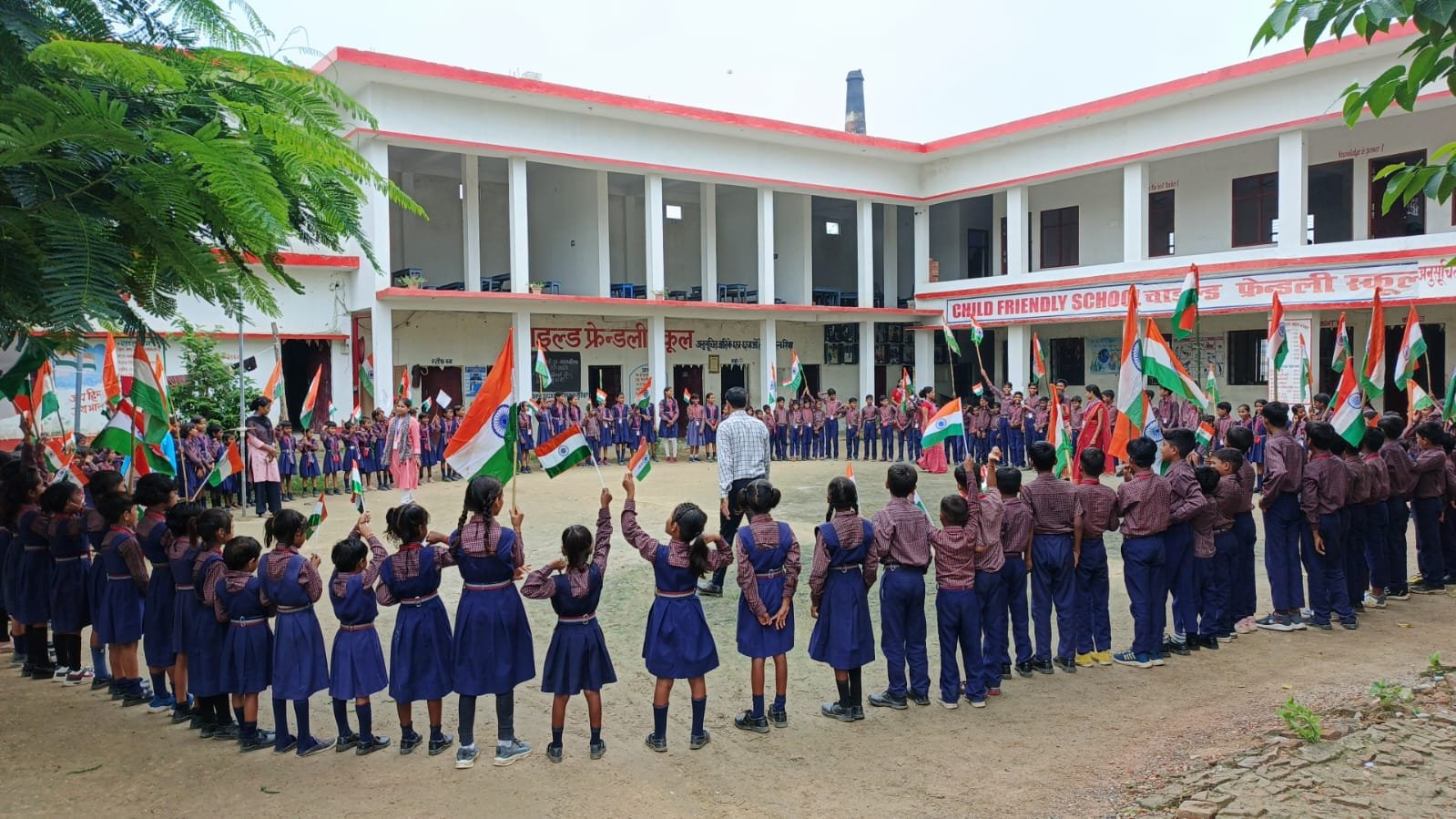
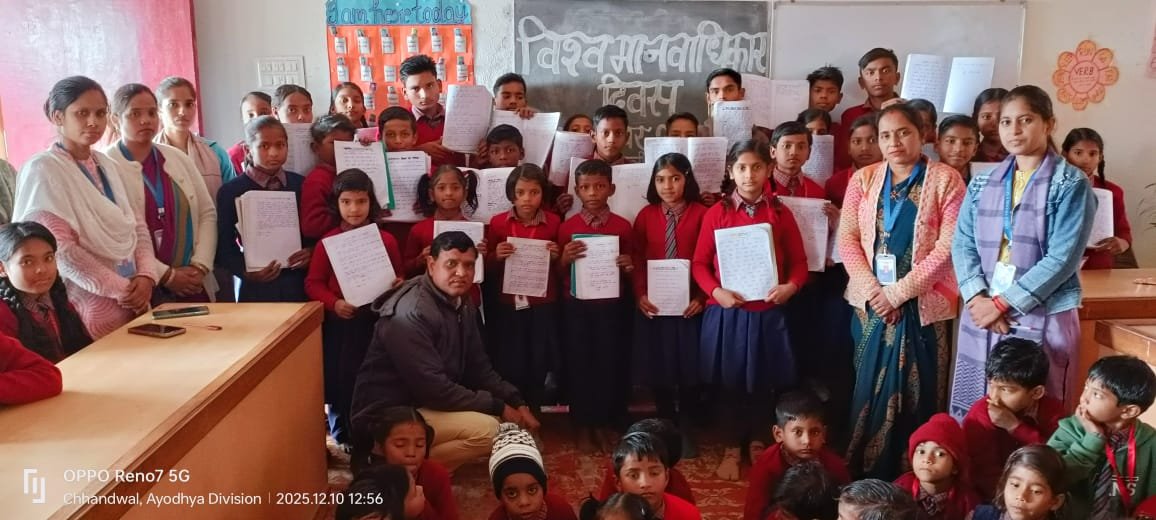
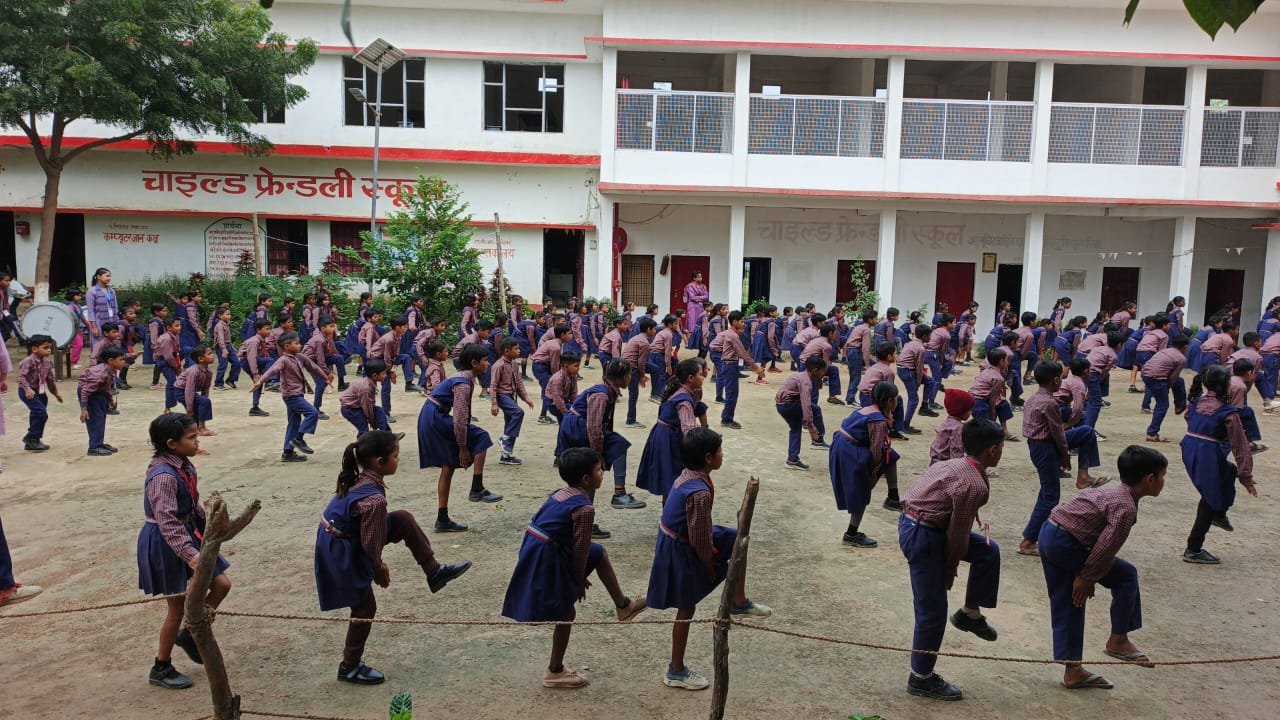
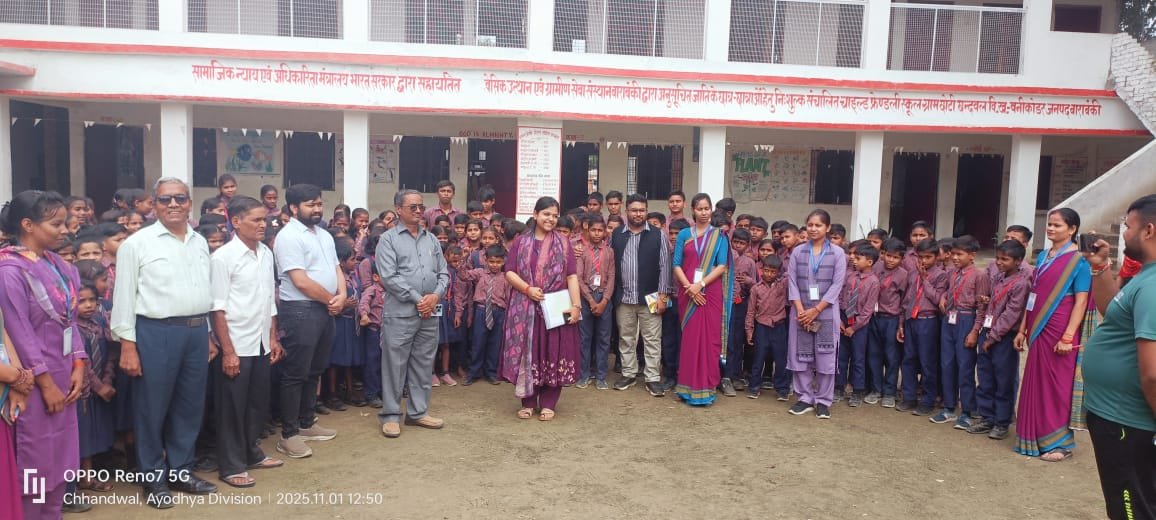
Free Education for SC & OBC Students. The institution has operated since July 2005 in Chhandwal village, Banikodar block, Uttar Pradesh. Founded through community support, the organization has independently sustained this school for 21 years using internal resources to provide free education to underprivileged children.
- Established: July 2005 (Operating for 21 Years)
- Recognition: Basic Education Department (Junior High School)
- Location: Chhandwal Village, Banikodar Block, Uttar Pradesh
- Target Audience: Impoverished Scheduled Caste (SC) & Other Backward Classes (OBC)
- Affiliation: Registered under Basic Education Department, Govt. of UP (UDISE: 09460500403)
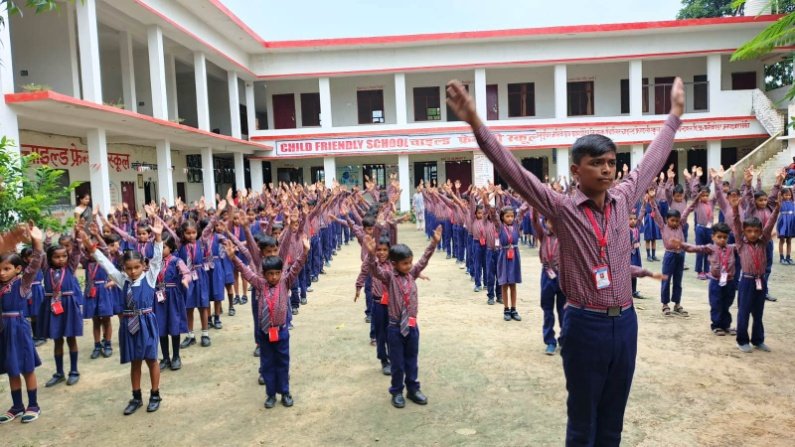
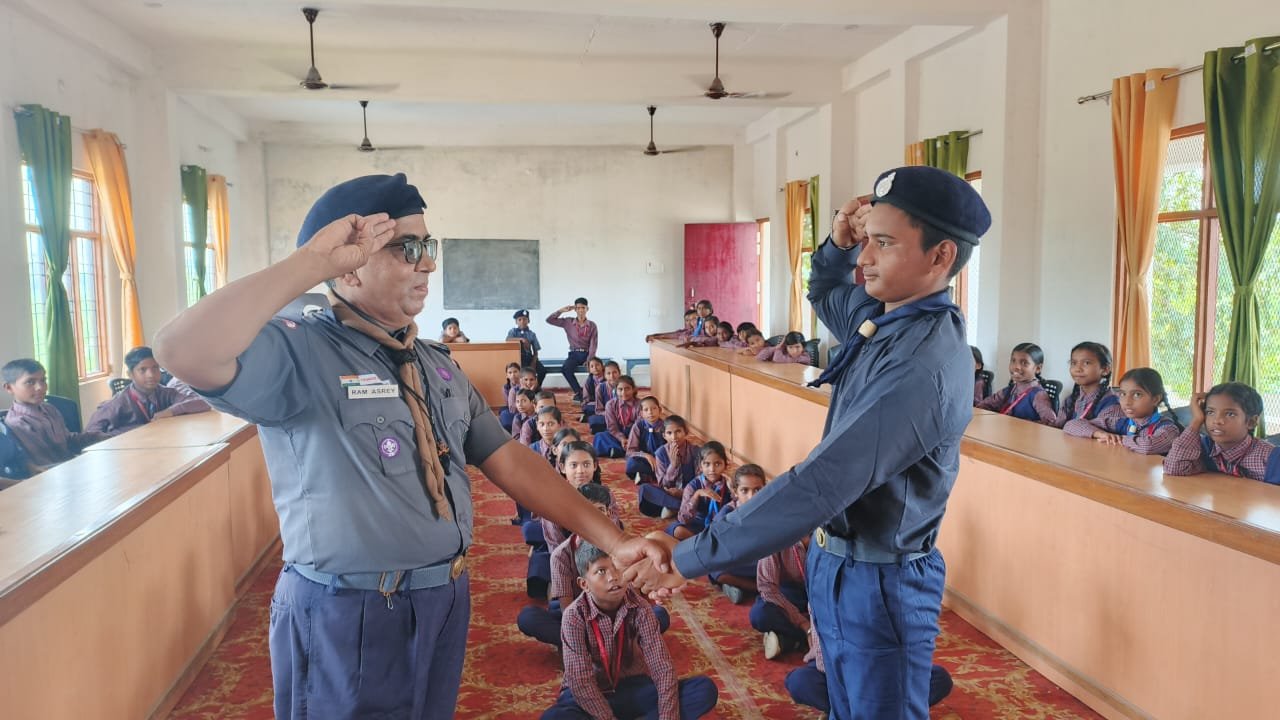
The school serves approximately 150 to 200 students annually, including around 160 SC children and 65 OBC students. The institution provides free uniforms, textbooks, healthcare, and nutritious mid-day meals. The campus includes 22 fully equipped classrooms, a comprehensive library, computer education labs, Scouts and Guides programs, professional music instruction, sports equipment, and 24/7 CCTV surveillance throughout the facility. During 2015–16, the school received recognition through Grant-in-Aid support from the Ministry of Social Justice and Empowerment
from the Government of India.
Philosophy and Vision
The school draws inspiration from the UP Education Department's 'Joyful Learning Cell' (Nalanda), the 'Janshala' program, and UNICEF-supported educational initiatives. The pedagogical approach was developed following exposure visits to child rights projects in Mirzapur, Bhadohi, Lalitpur, and Rishi Valley School in Andhra Pradesh. Three primary objectives guide the school:
- High-Quality Learning: Providing vulnerable children with
robust primary education within a nurturing, child-centered environment
- Educational Mainstreaming: Integrating marginalized SC students into mainstream national education
- Community Sensitization: Fostering supportive, non-violent environments within families and communities
Core Operational Areas & Highlights
1. Infrastructure and Facilities Evolution
The school began under a thatched roof in 2005, teaching 60 children initially. Dr. Daljit Singh Puri, then Director of Education (UP), inaugurated three permanent classrooms in 2007, leading to official recognition through Class 5. The infrastructure has since expanded to include 22 classrooms, complete electrification, clean water systems, gender-segregated toilets, a library, and an advanced computer lab. Recognition was extended to Class 8.
2. Admission and Enrollment Verification
The school targets children completely excluded from formal education—those never enrolled or who dropped out for three consecutive months due to child labor or domestic duties. Teachers conduct background checks verifying genuine SC family status with valid documentation. Departmental officials and the Sub-Divisional Magistrate regularly inspect admission records.
3. Creating an Environment Free of Fear
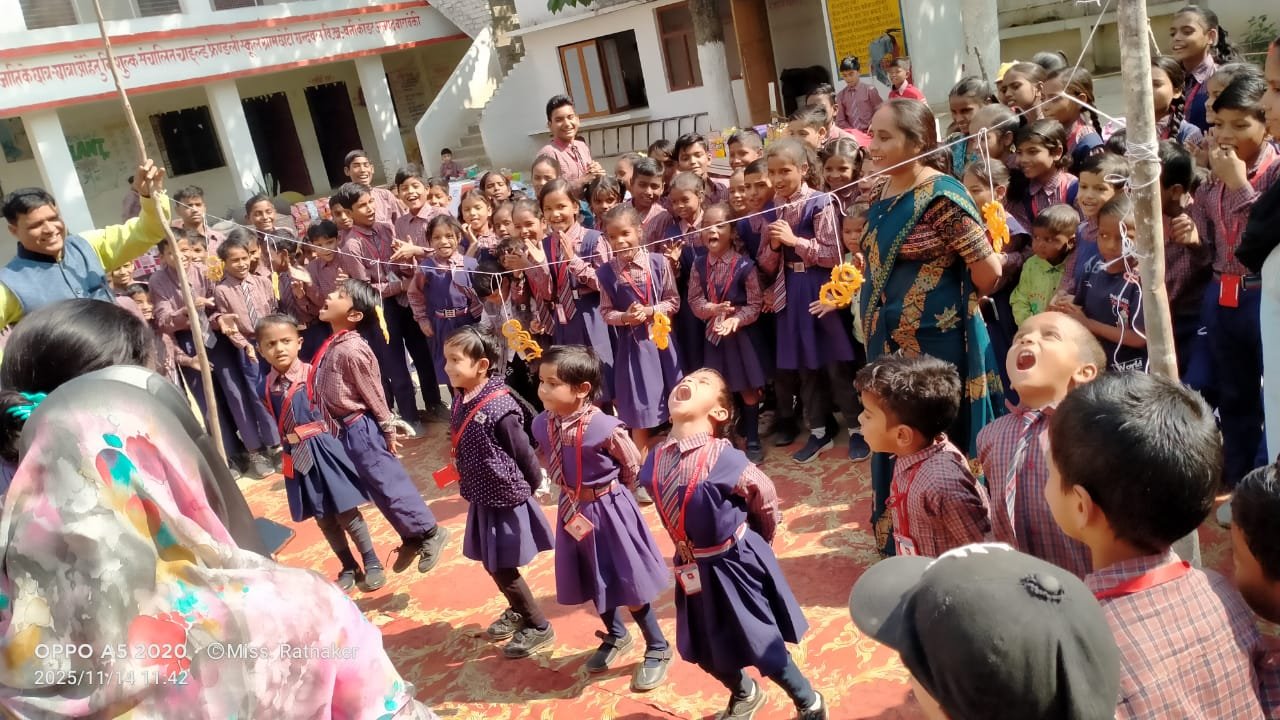
In agrarian communities where parents work early morning wage labor, children historically roamed unsupervised. Traditional schools using fear or physical punishment caused high dropout rates. This institution trains teachers to cultivate an inviting, stress-free educational environment.
The school has become successful enough that students choose attending classes over parental demands for household chores.
4. Activity-Based Instruction & Visual Aids (TLM)
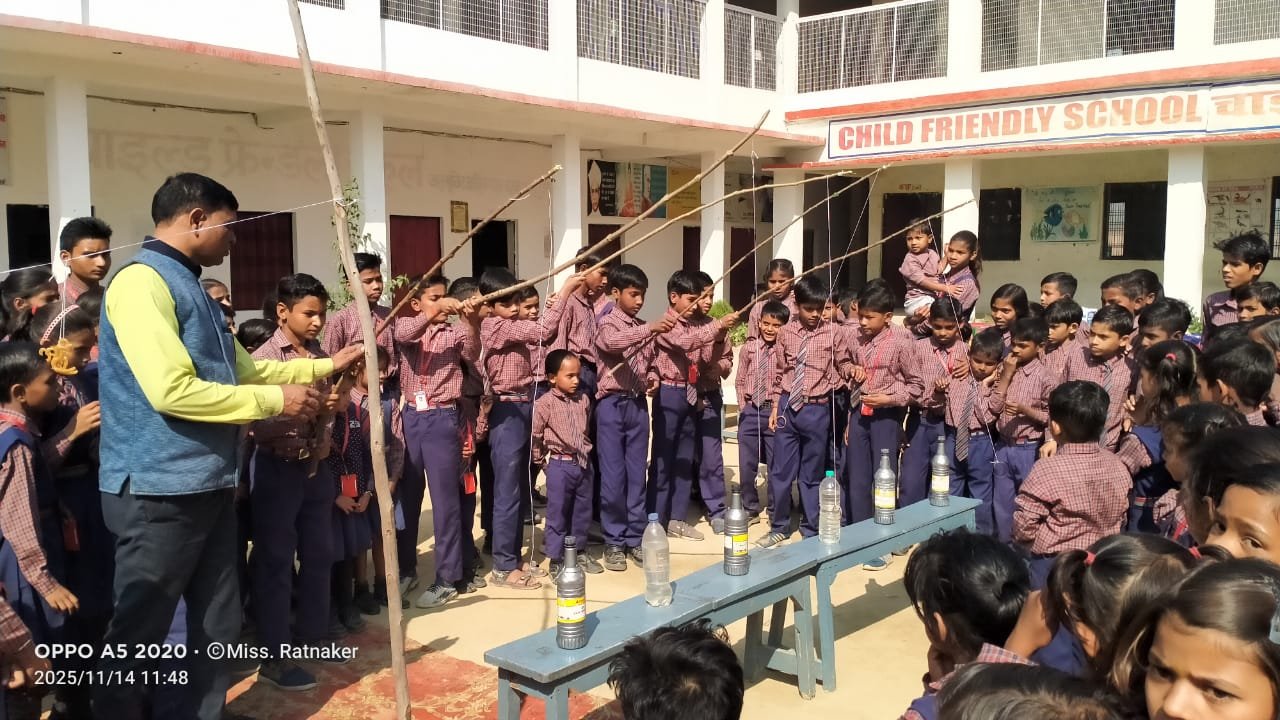
The school rejects rote memorization, using activity-based methods with practical mathematics and science experiments. Teaching-Learning Materials (TLM) strategy involves strategically painted and decorated
classroom walls with interactive educational diagrams, charts, and literacy blocks.
5. Digital Literacy and Library Infrastructure
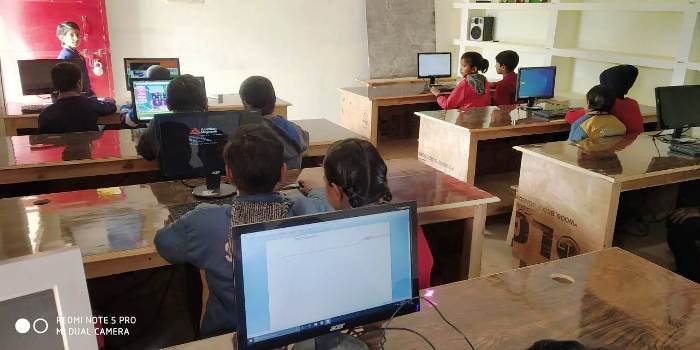
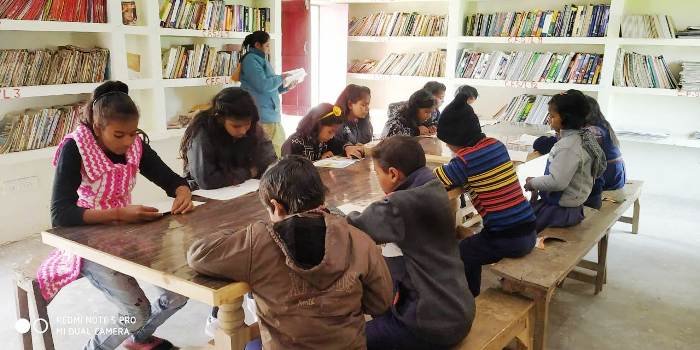
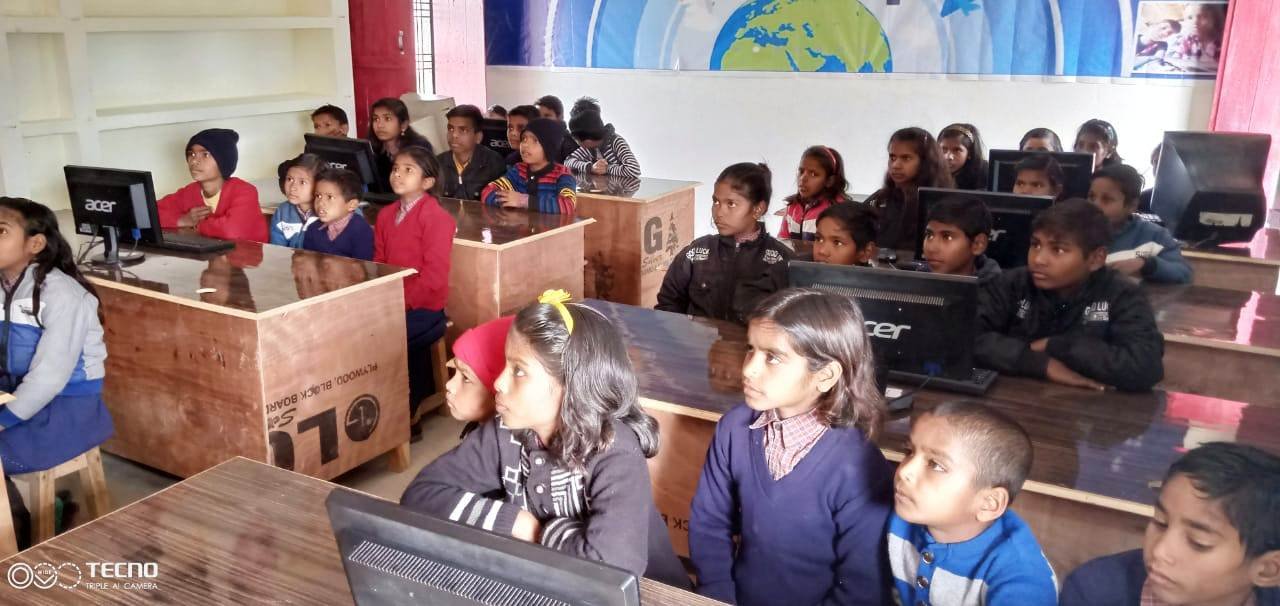
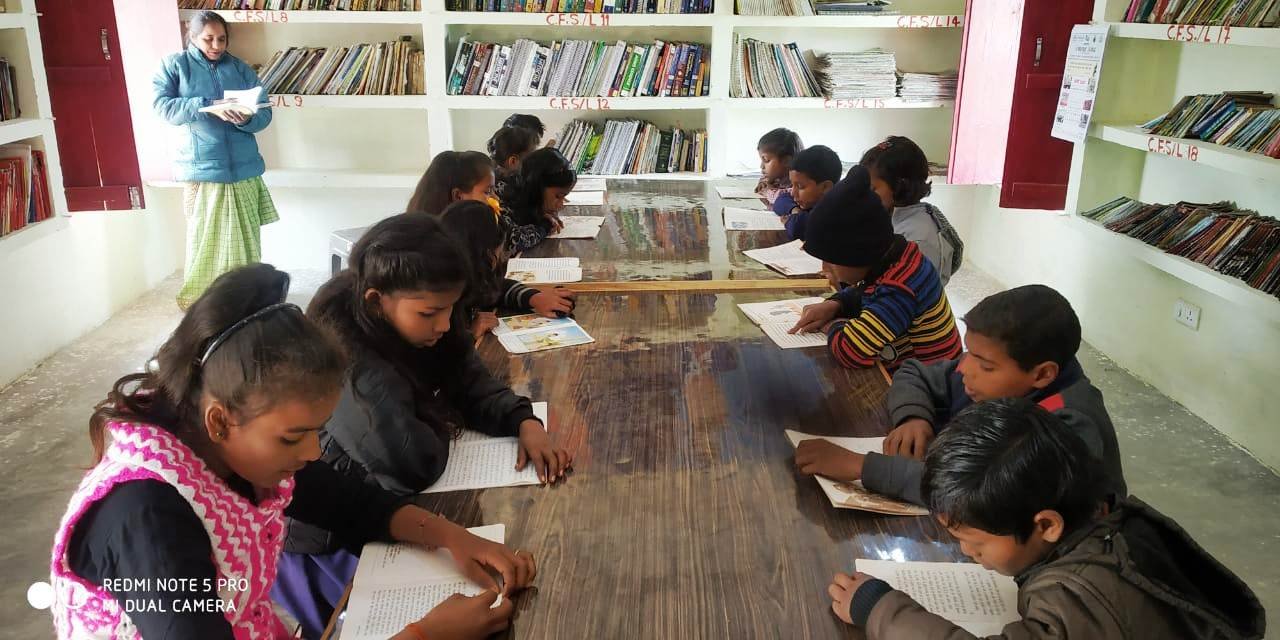
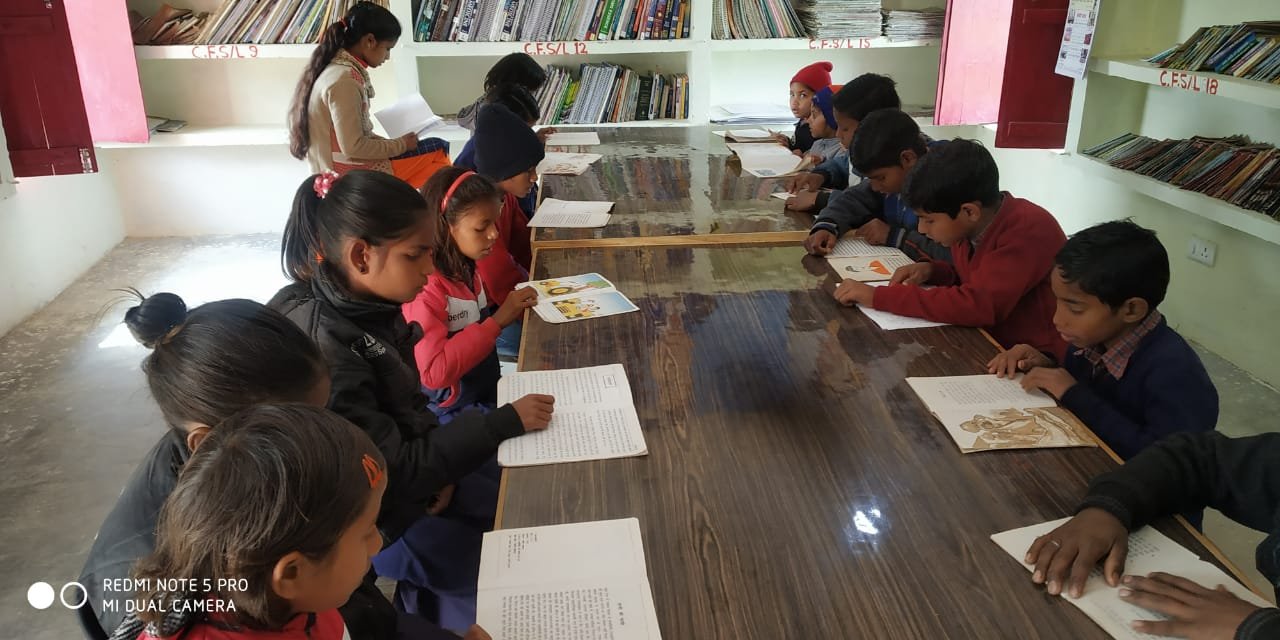
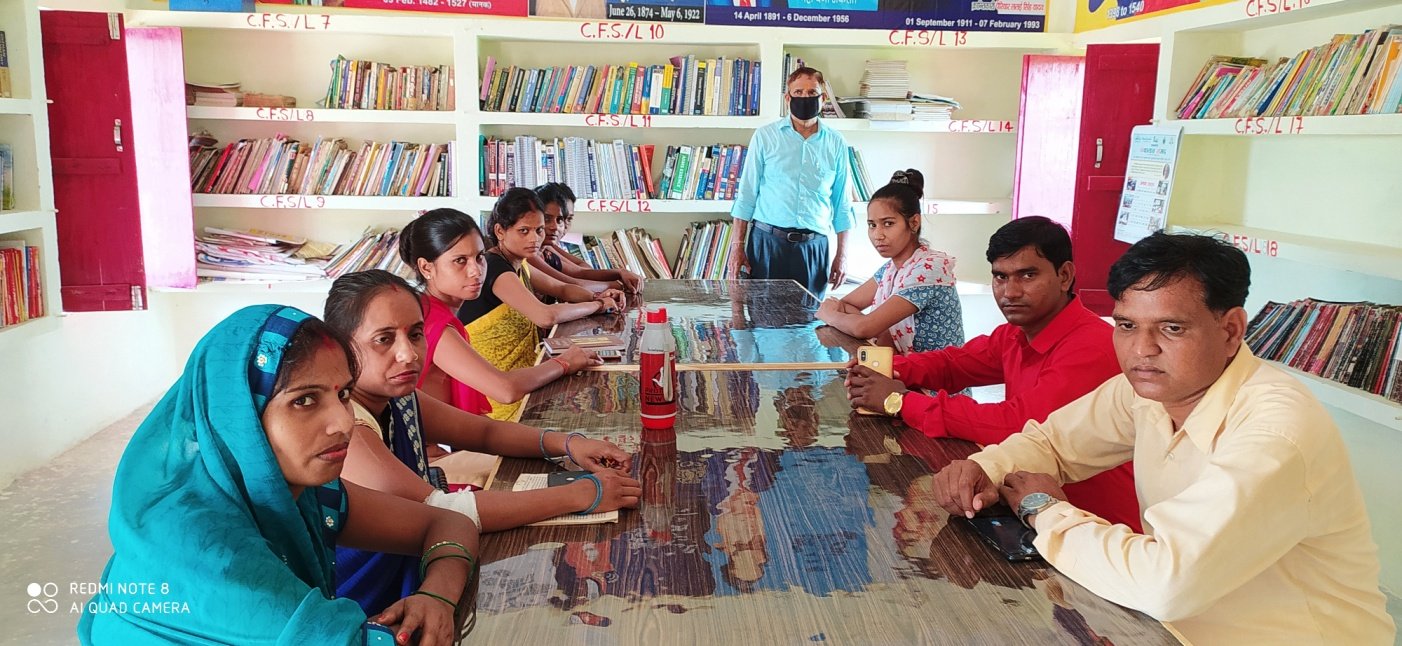
A spacious computer lab provides mandatory daily instruction for all grade levels. The library contains over 10,000 books including children's literature from the National Book Trust and Children's Book Trust, plus resources in science, mathematics, management, medicine, banking, and spirituality.
6. Academic Excellence and Success Rates
Class 5 graduates have successfully gained admission to prestigious Navodaya Vidyalayas. Multiple students topped entrance exams for the Ashram Paddhati residential school system; six alumni currently attend school in Teer village. Several Class 5 graduates gained direct Class 7 admission after skipping Class 6 based on advanced evaluation scores.
7. Mentorship and Guest Lectures
Guest sessions include speakers such as Neeraj Mishra (Former UNICEF Representative), Vasumati Agnihotri (Former Deputy Director of Education), Dr. Reena Agarwal (Director, Jaipuria Institute of Management), and officials from Juvenile Police, Social Welfare, Education, and Justice Departments.
8. Healthcare and Monthly Medical Check-ups
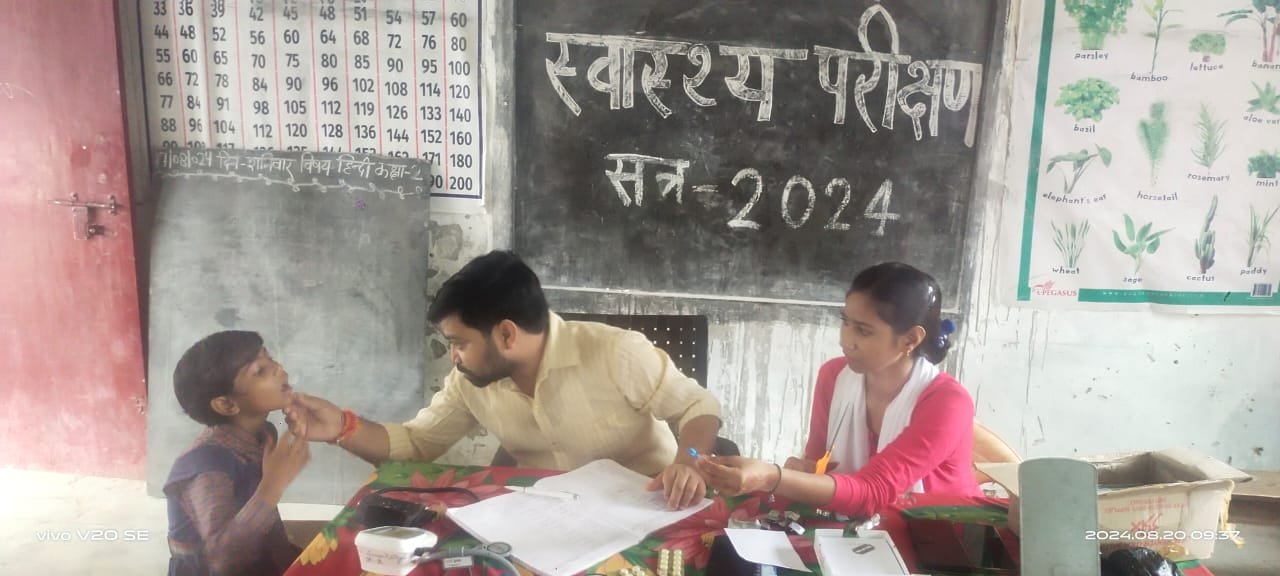
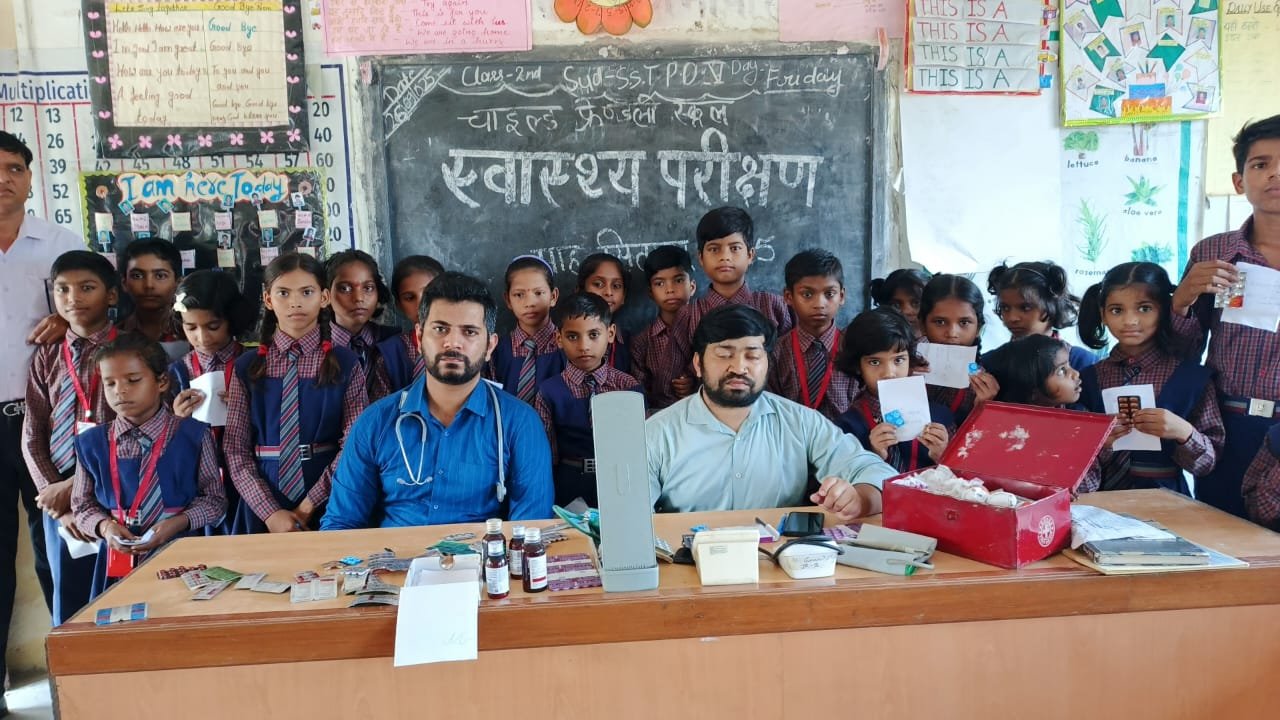
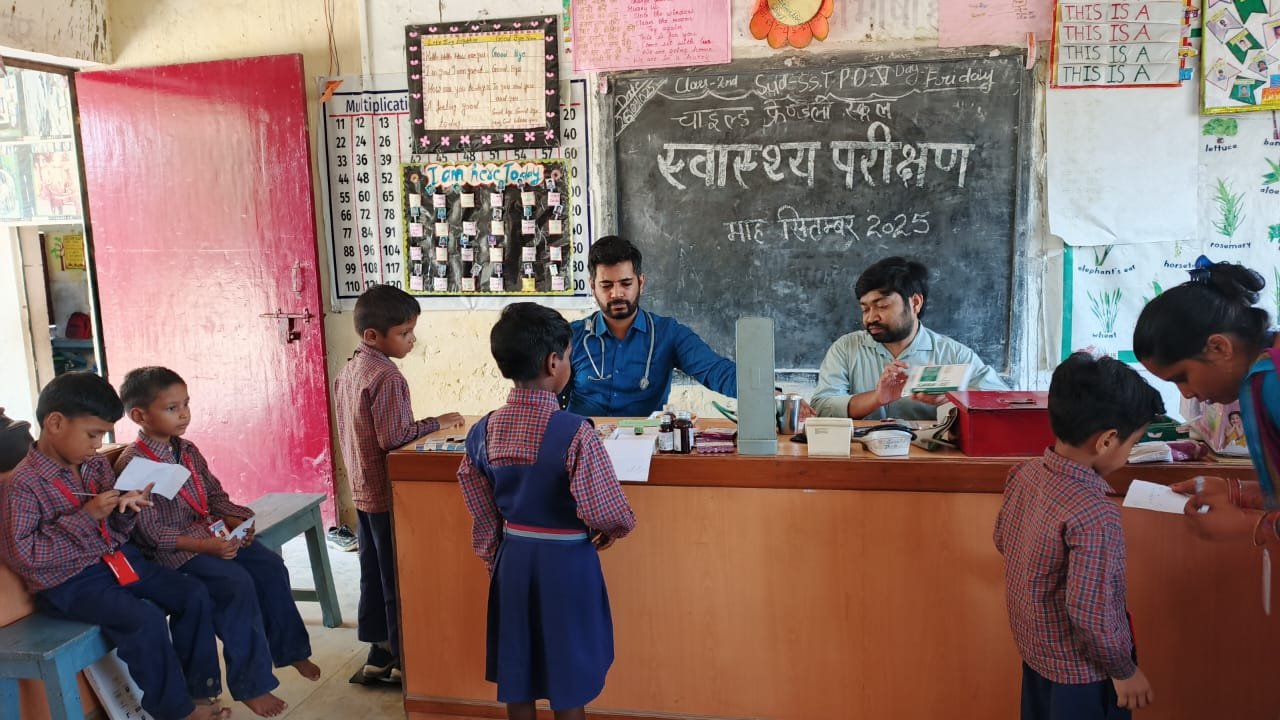
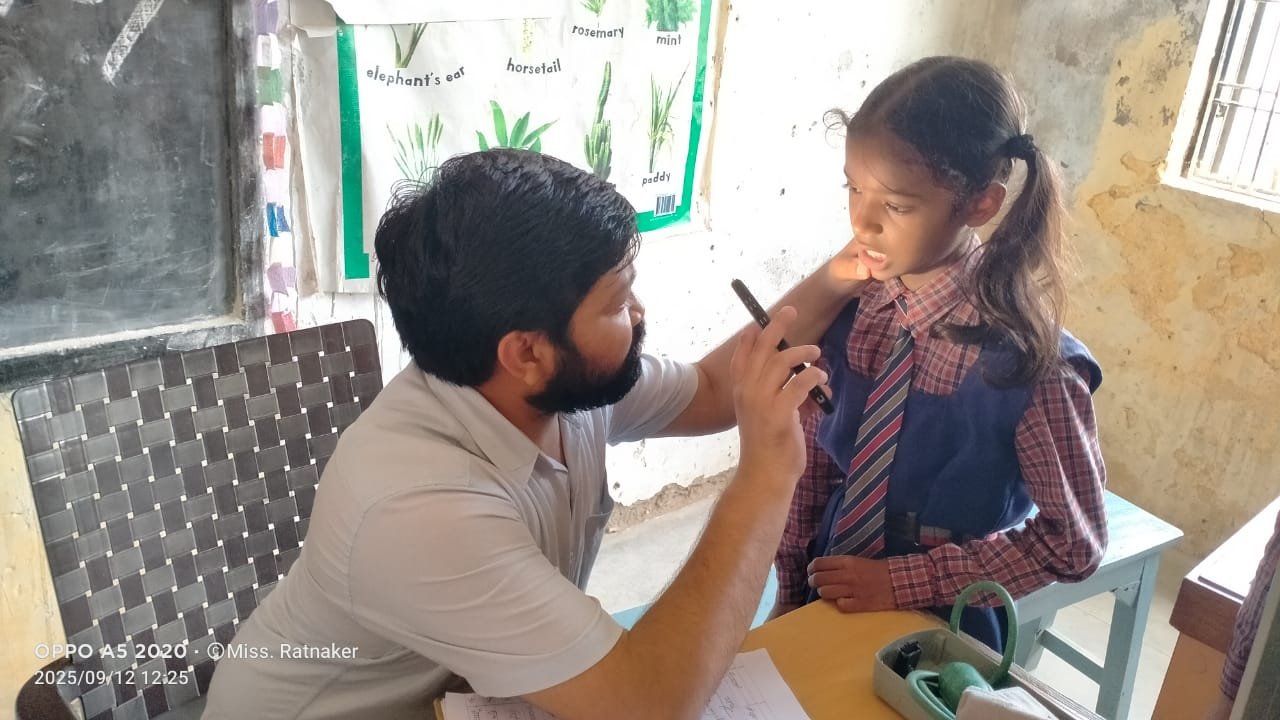
Renowned pediatricians Dr. Govind Pandey (MD, Healing Clinic) and Dr. Gaurav Singh (MD, Dr. Ram Manohar Lohia Hospital, Lucknow) conduct monthly free health screenings. The Healing Clinic provides free emergency care to enrolled students at their facility.
9. Regulatory Compliance and Government Coordination
The institution operates under UDISE code 09460500403 with Grade 8 recognition. Student data undergoes formal verification at the Block Education Officer (BEO) level. Admission registers, attendance logs, and examination grades receive periodic review, with final report cards declared only after BEO audit and signature.
10. Curriculum, Private Textbooks, and Mid-Day Meals
The school self-funds academic materials, procuring English-medium textbooks following CBSE-pattern curricula from private publishers. Hot, nutritious meals have been served since 2014–15. Following temporary central funding delays, the organization absorbed expenses through internal reserves for several years. The 2023–24 government budget allocation stabilized operations.
11. Institutional History of Uniform Distribution
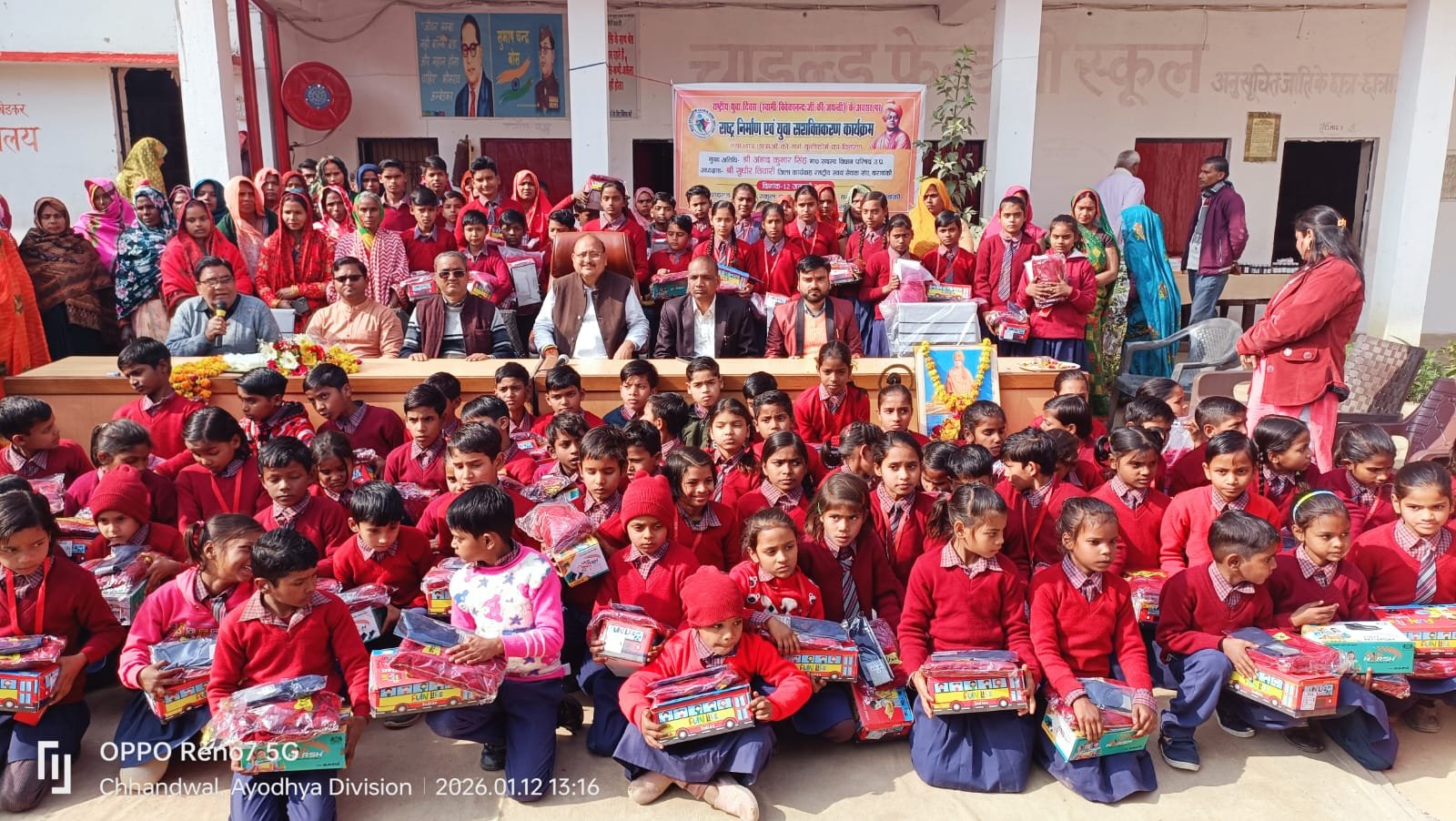
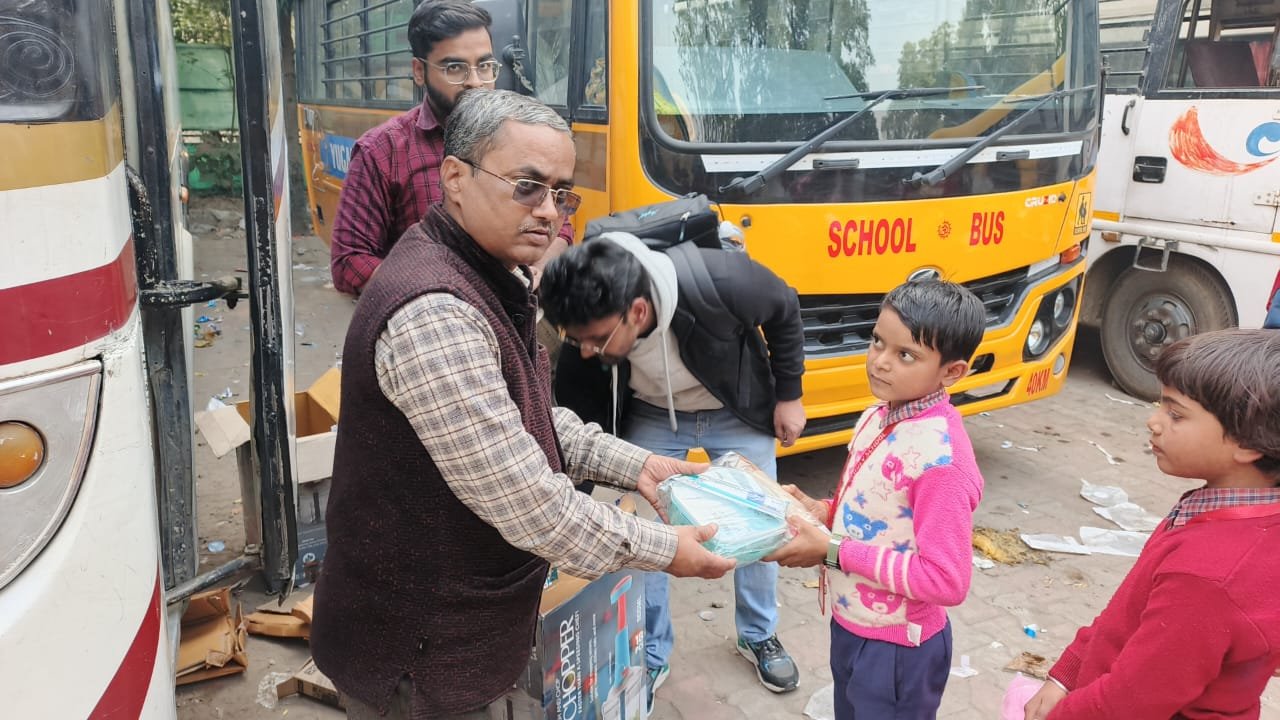
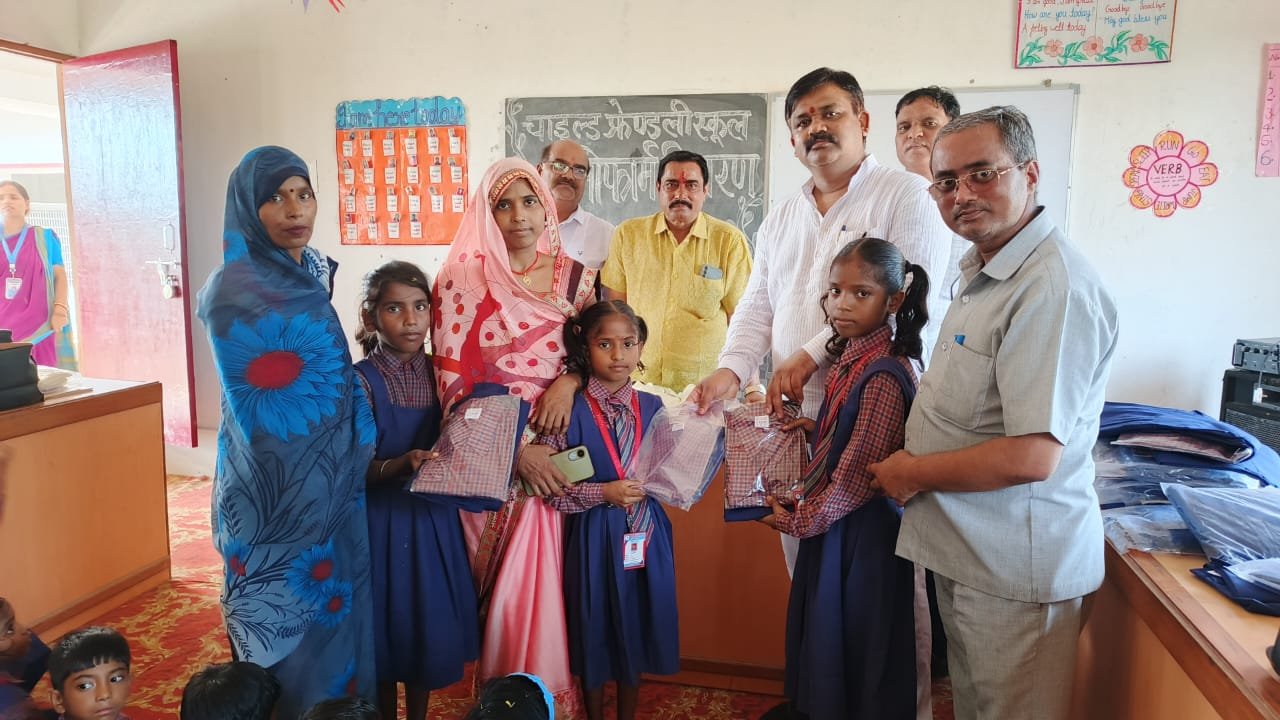
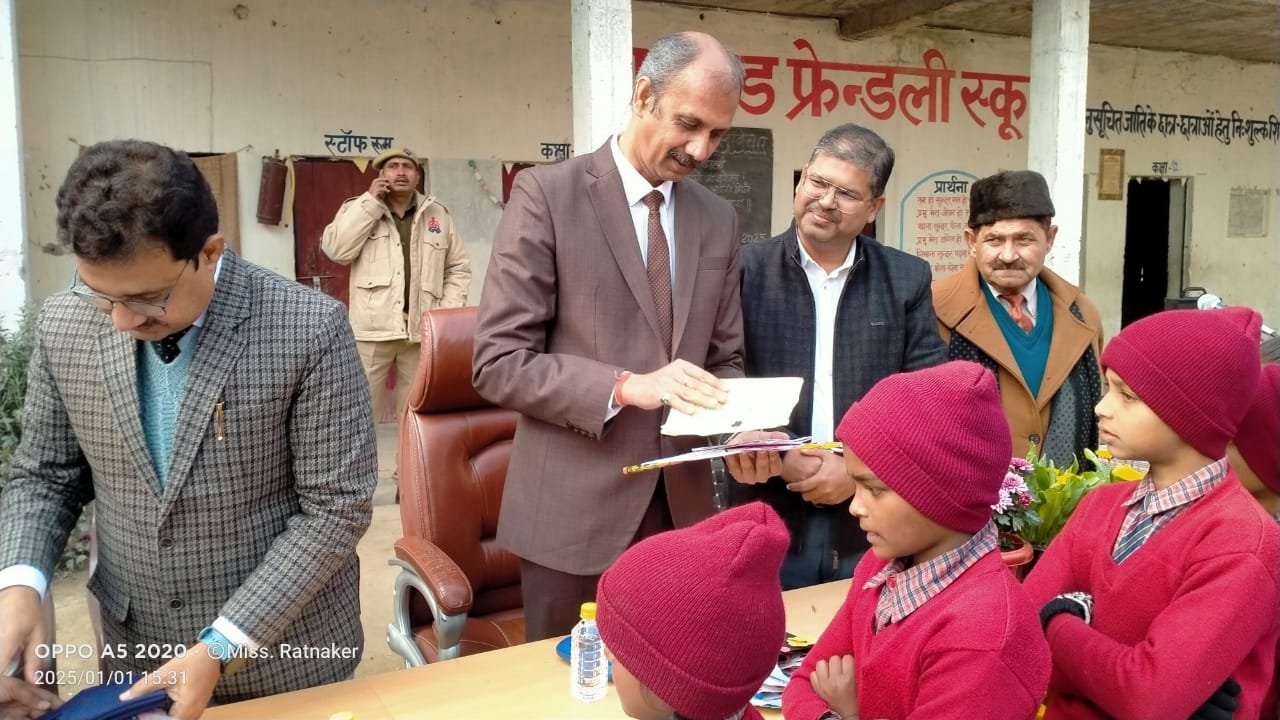
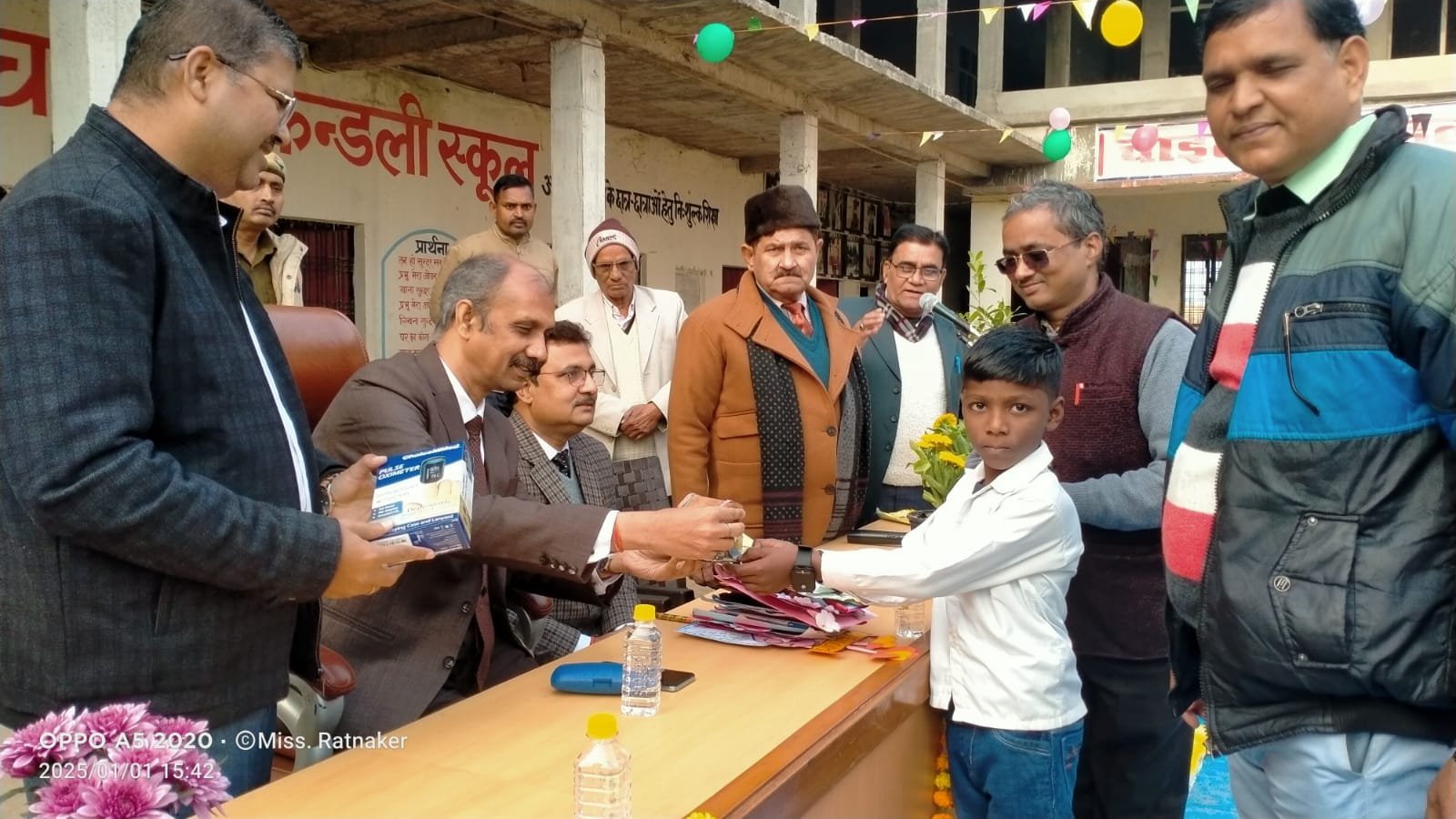
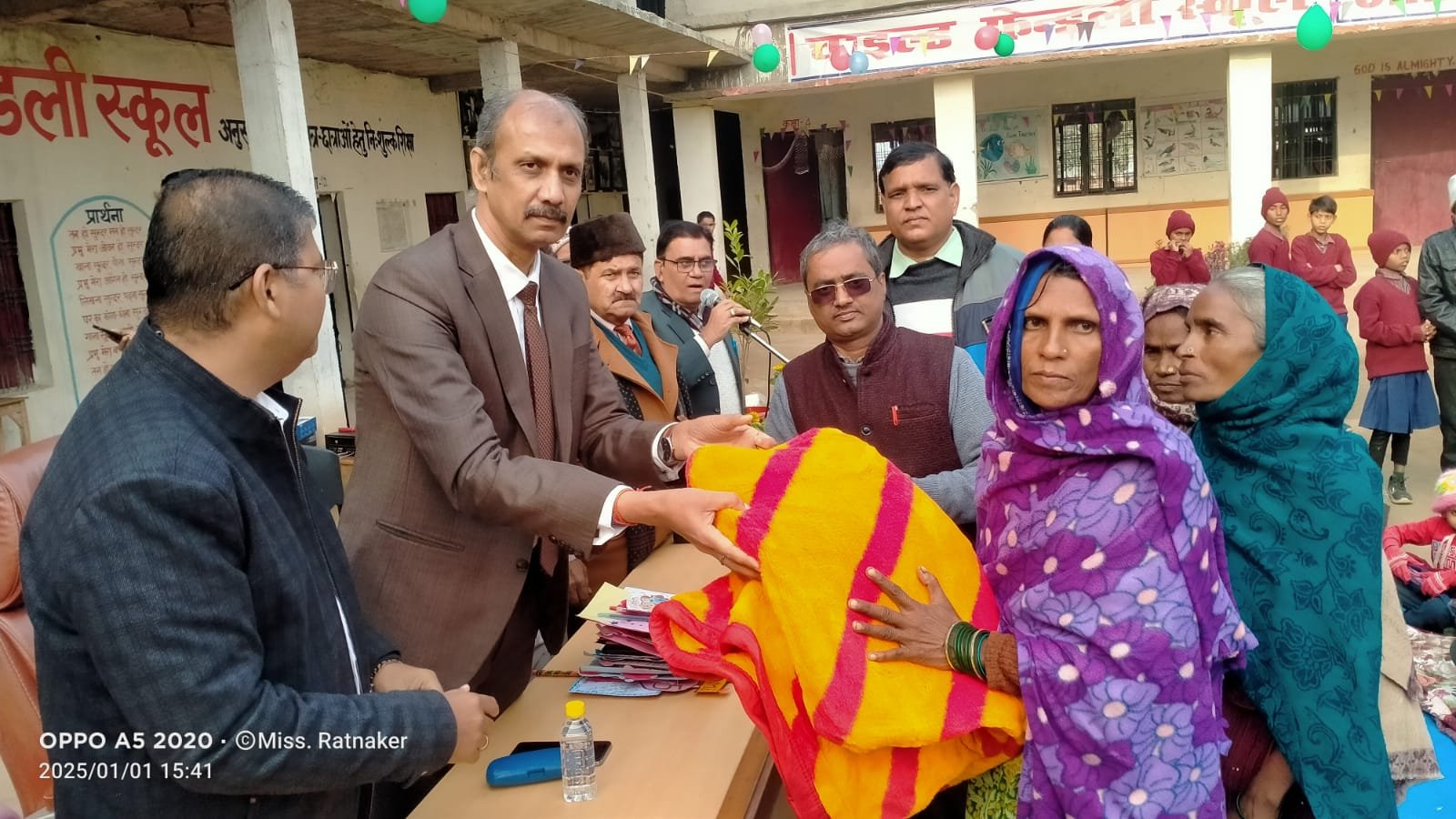
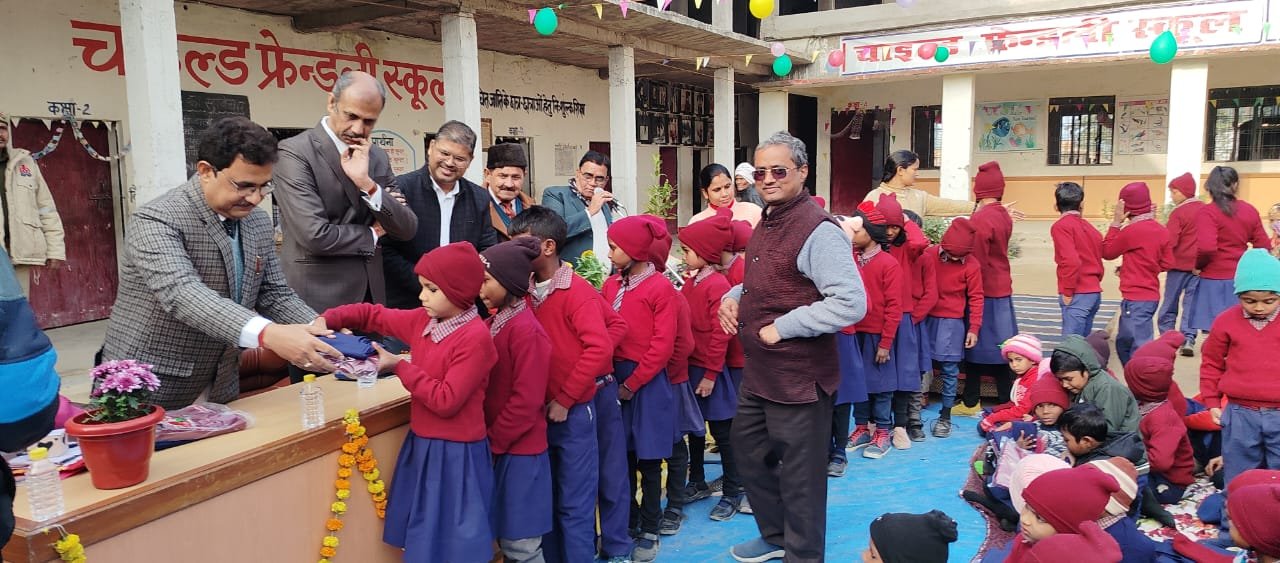
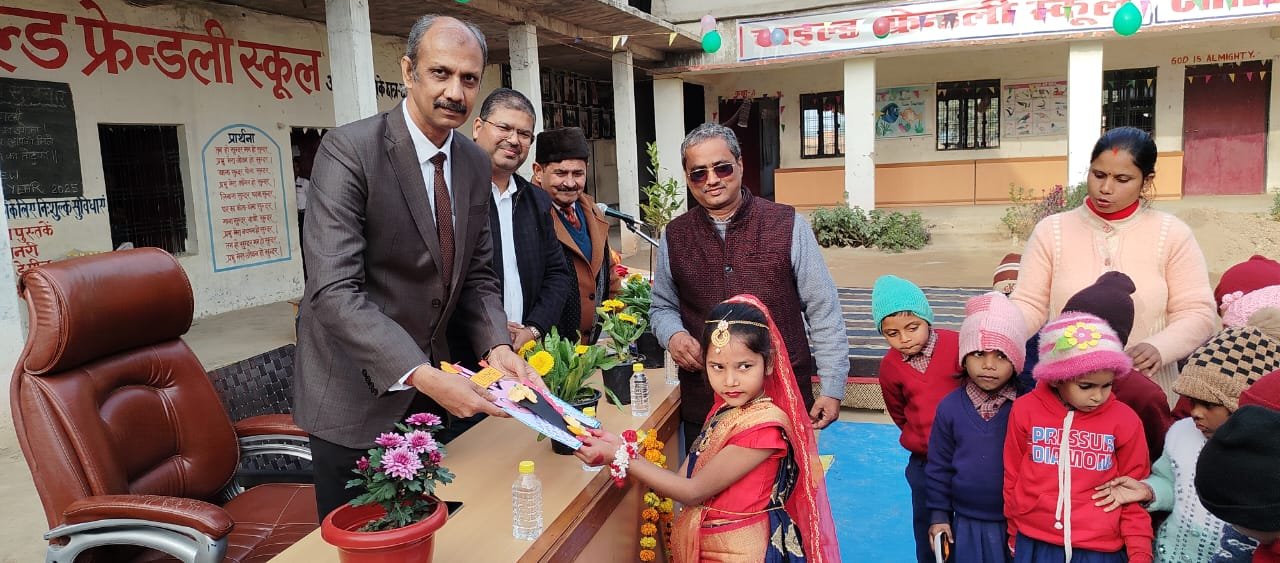
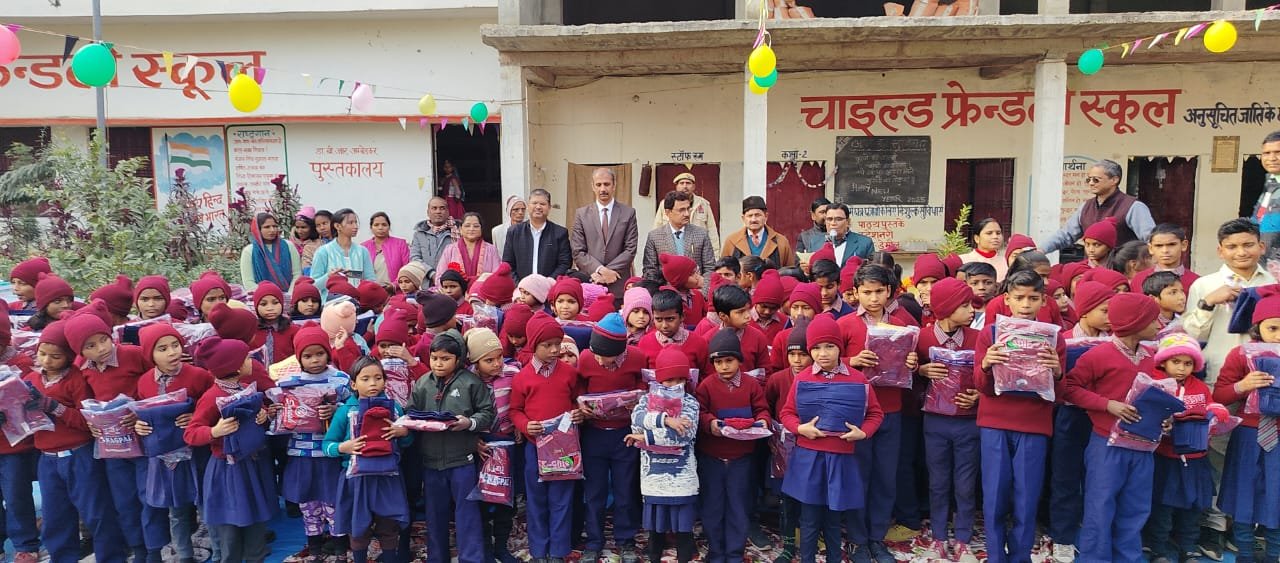
The organization distributes free uniforms annually to 100 most underprivileged children during ceremonies hosted by prominent public figures.
| Academic Year | Dignitary Conducting Distribution |
|---|---|
| 2018–19 | Sub-Divisional Magistrate (SDM) |
| 2019–20 | Local Bank Manager |
| 2020–21 | Honorable Member of Parliament (MP) |
| 2021–22 & 2022–23 | District Social Welfare Officer |
| 2023–24 | School Management Board / Manager |
| 2024–25 | Phase 1: Child Welfare Committee (CWC) Bench Members & Judicial Magistrate; Phase 2: Naib Tehsildar, Revenue Inspector, & Lekhpal; Phase 3: District Judge & District Social Welfare Officer, Barabanki |
| 2025–26 | RSS District Secretary (Zila Karyavah) Shri Sudhir Tiwari, and Press Club President Shri Rambabu Mishra |
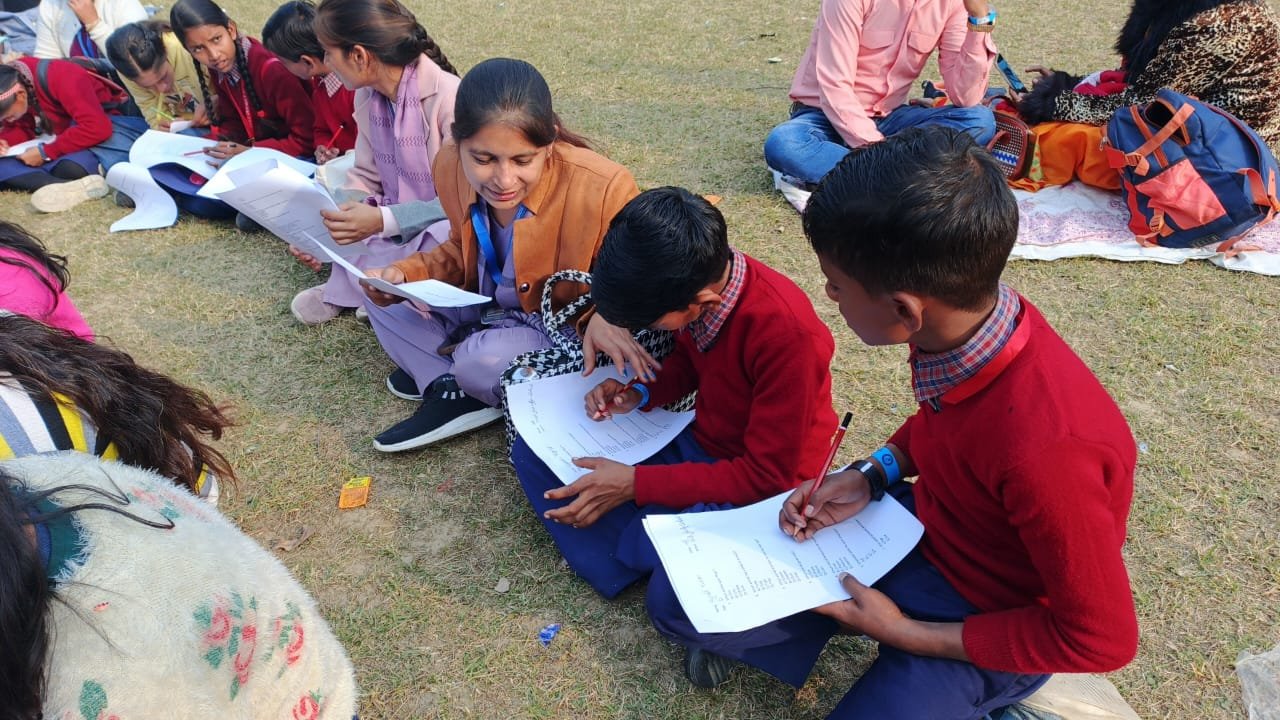
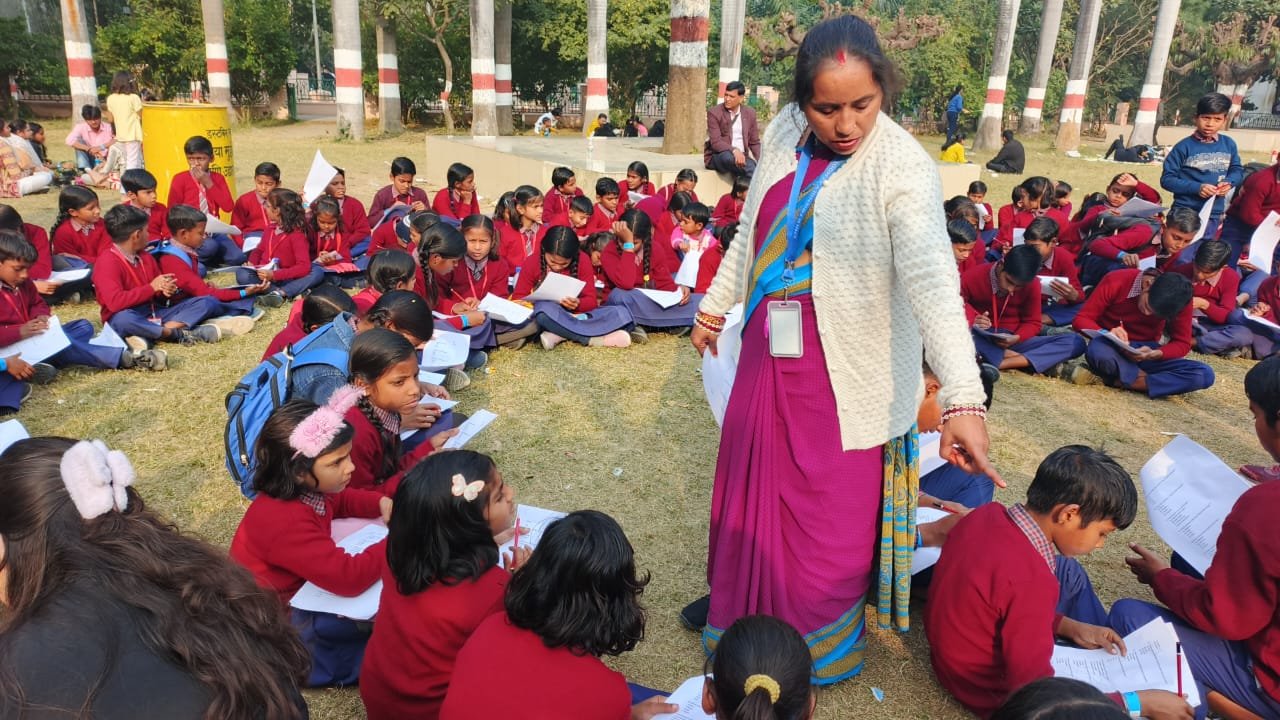
12. Educational Excursions
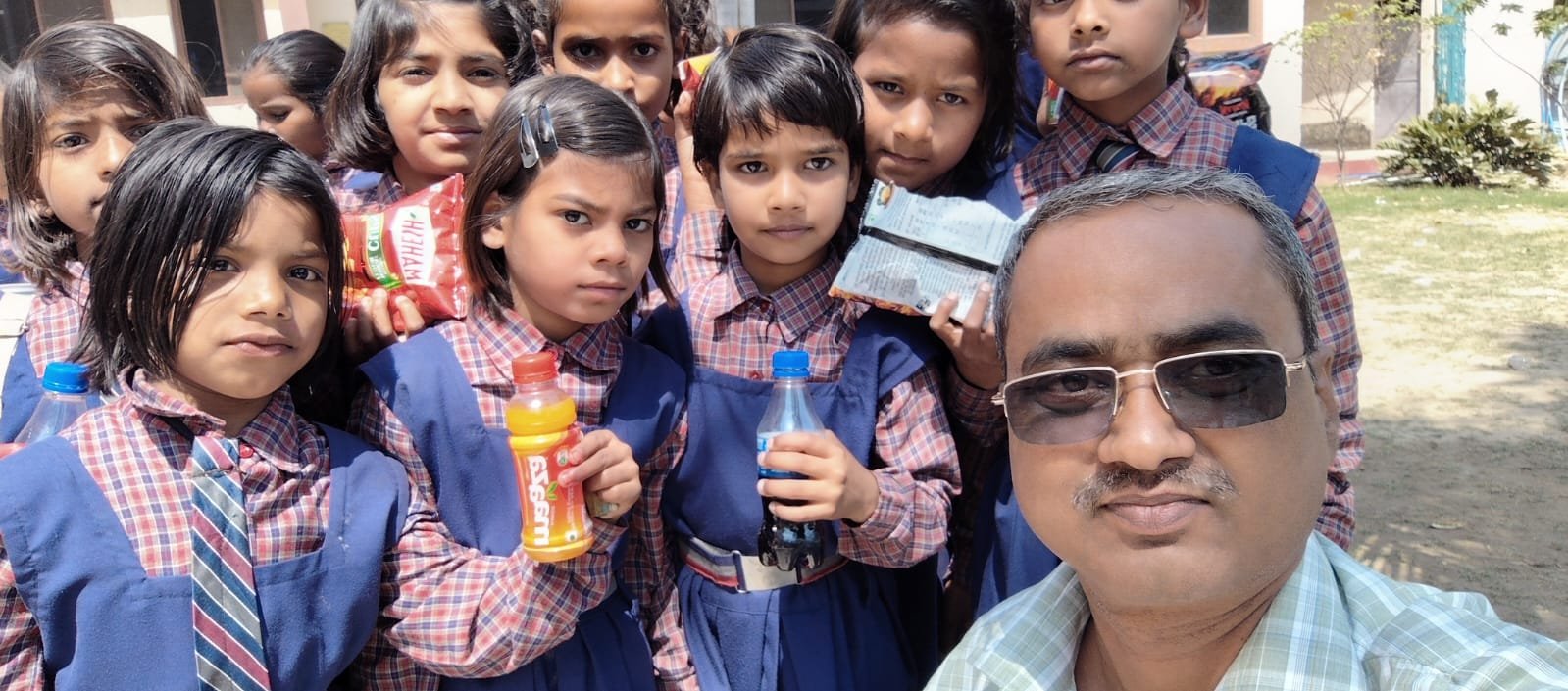
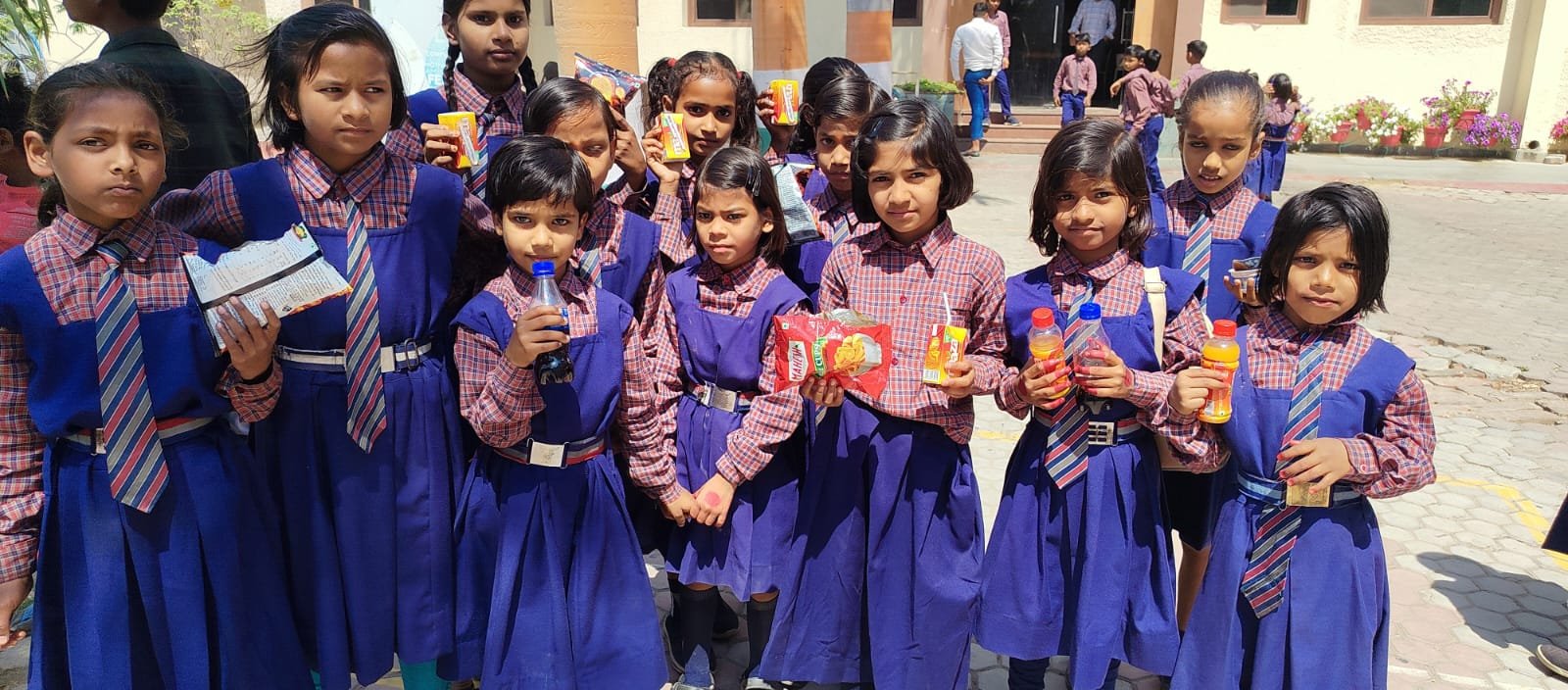
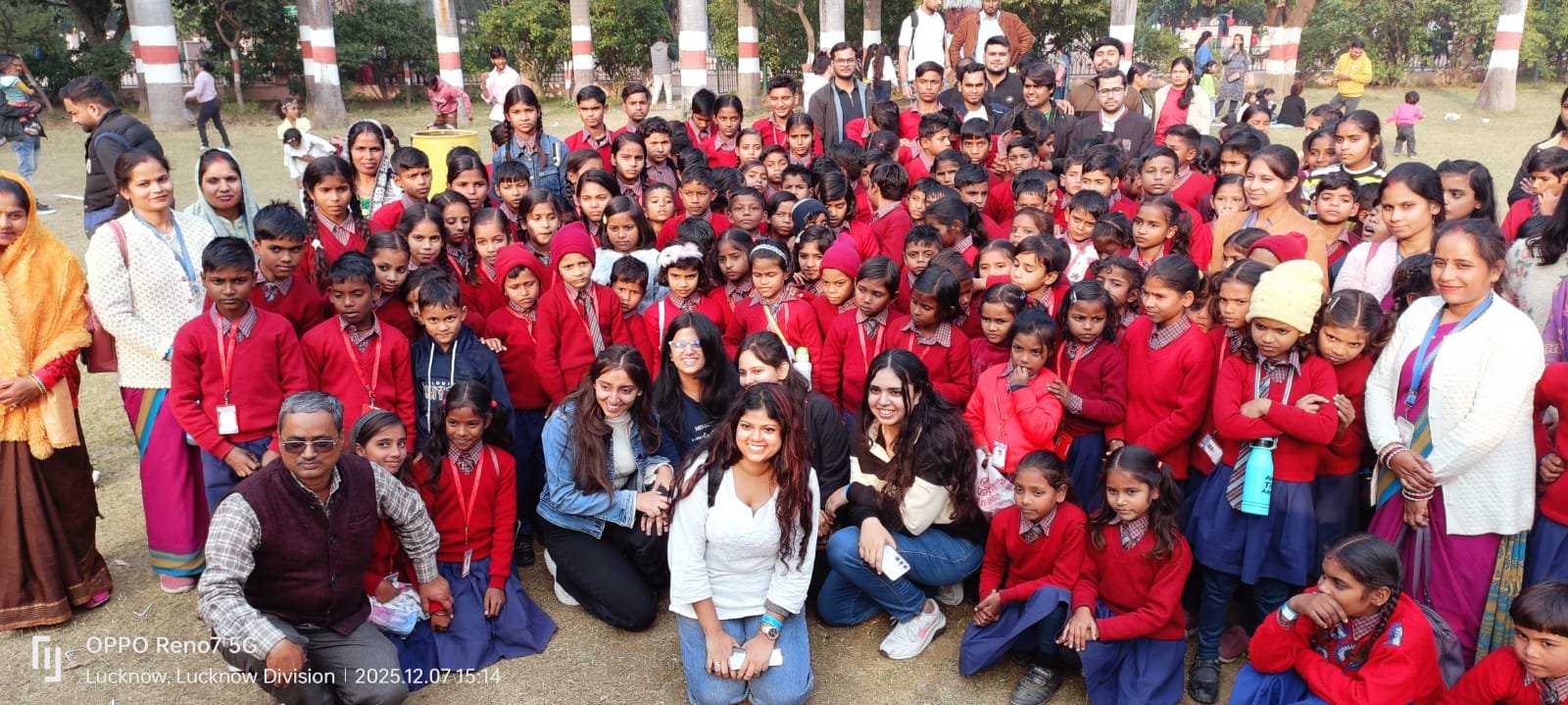
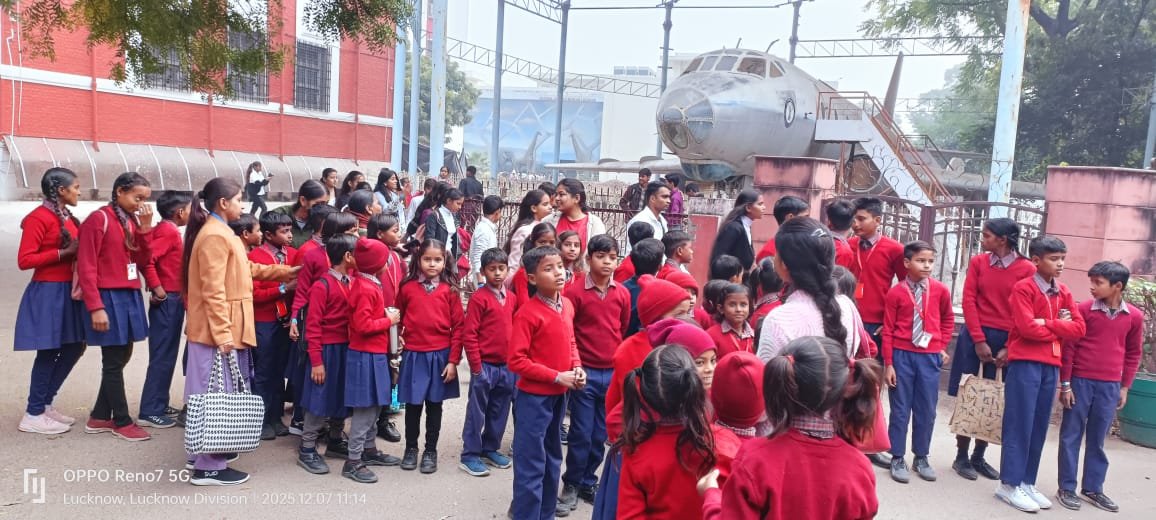
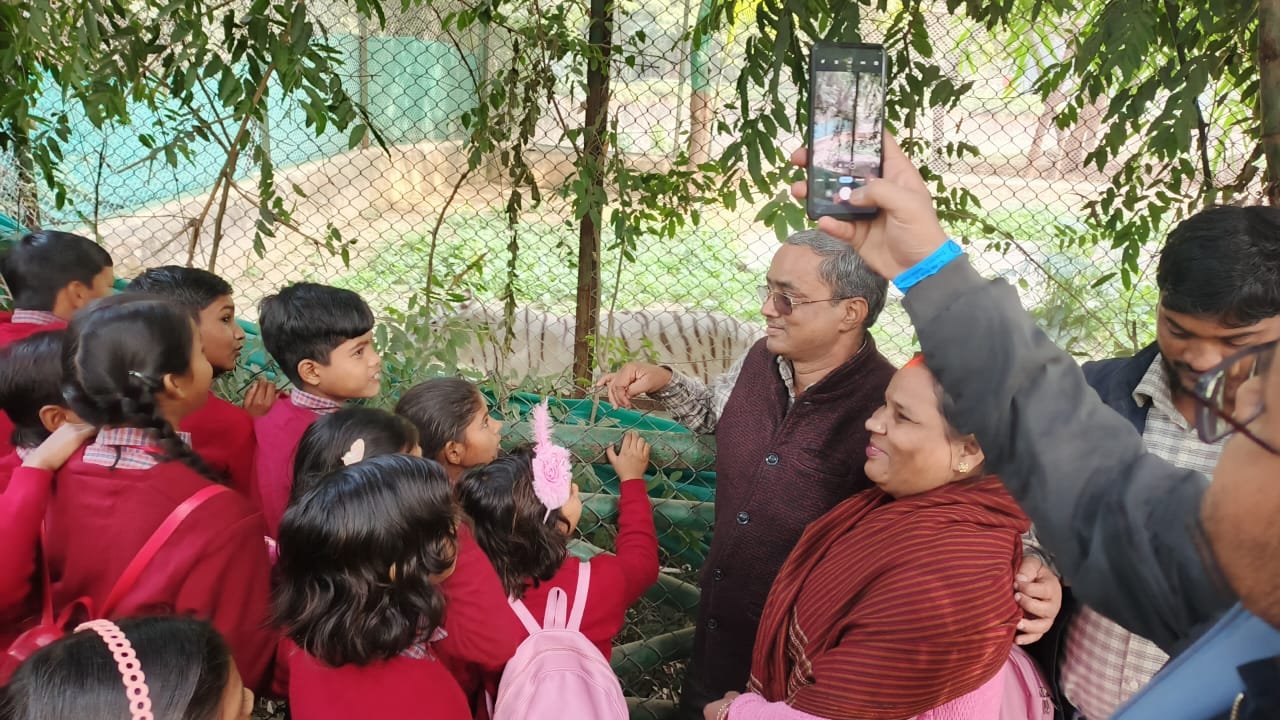
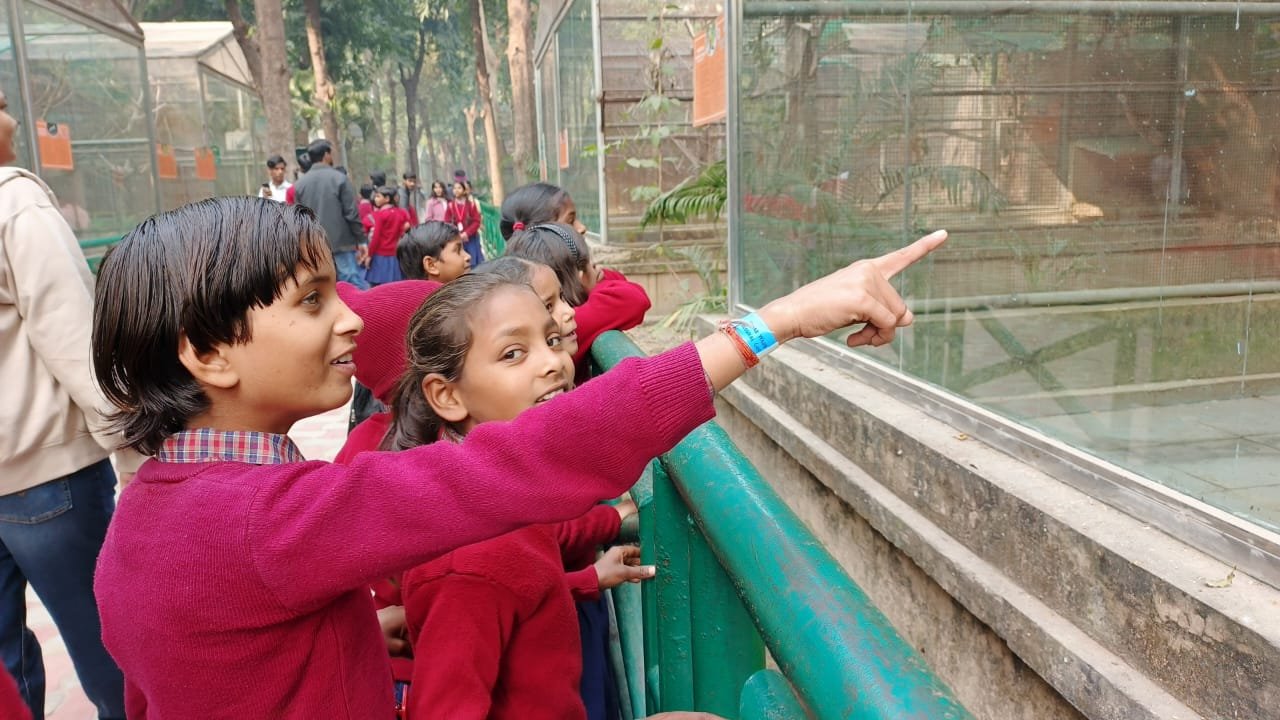
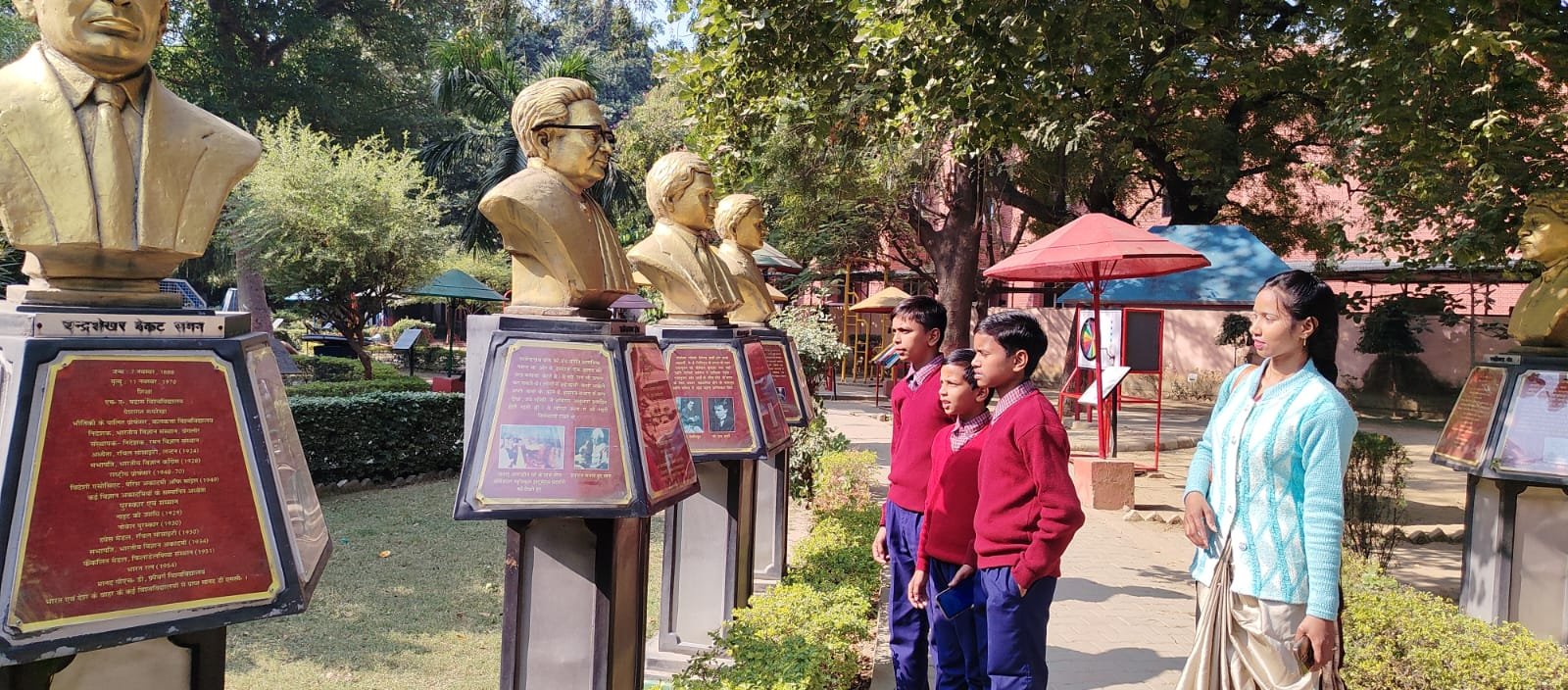
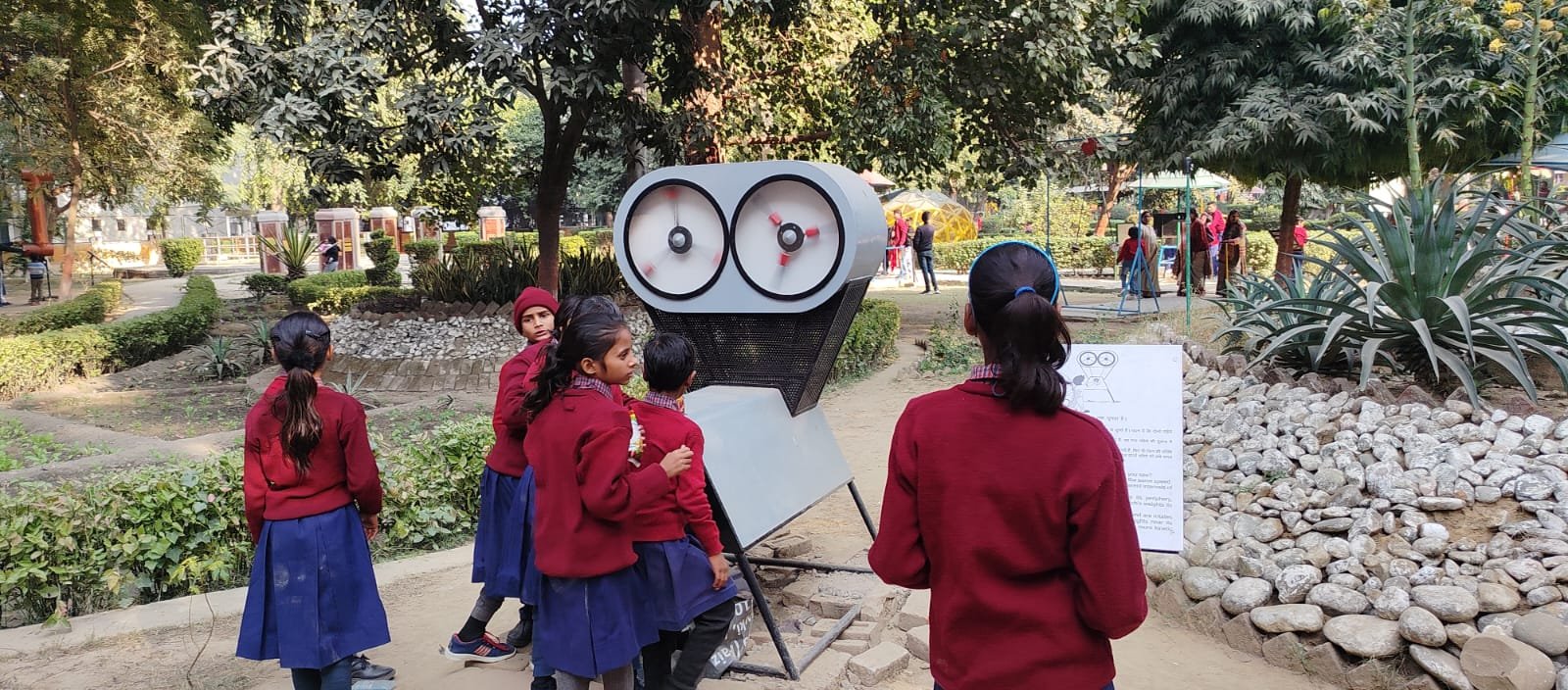
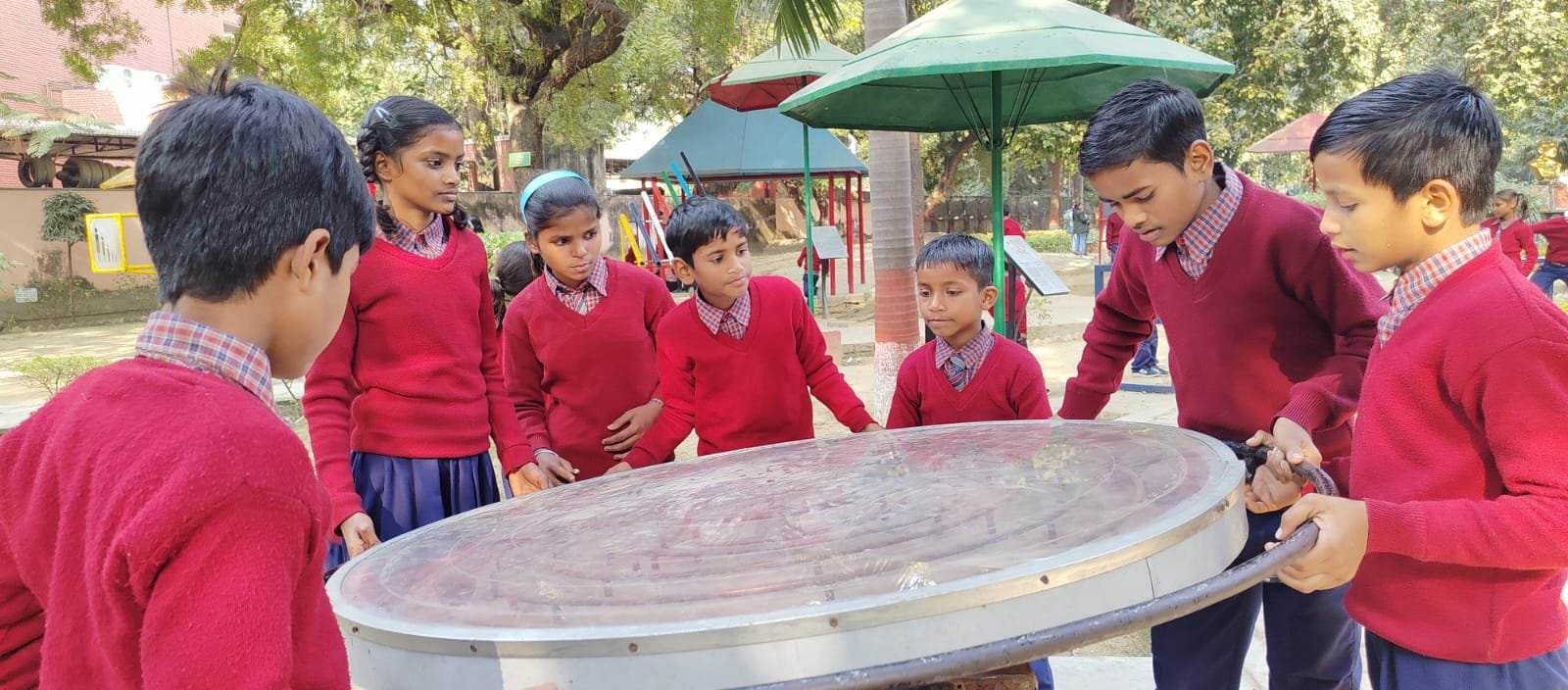
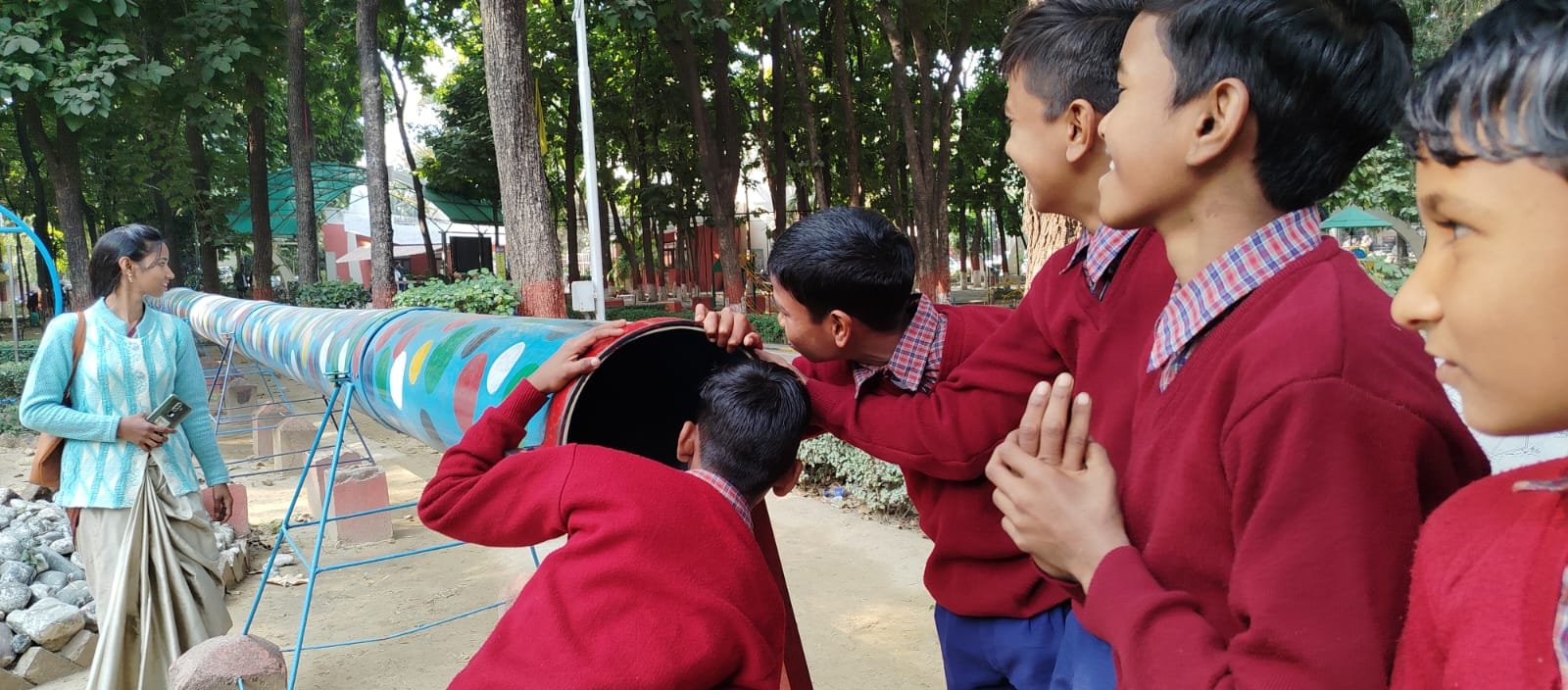
Annual educational trips take students to Lucknow Zoo and Regional Science Centre. Motivational sessions, interactive games, and competitive quizzes follow at Jaipuria Institute of Management in Gomti Nagar, Lucknow, with prizes for all participants. Two excursions occurred during 2024–25; the 2025–26 study tour is scheduled for November 27, 2025.