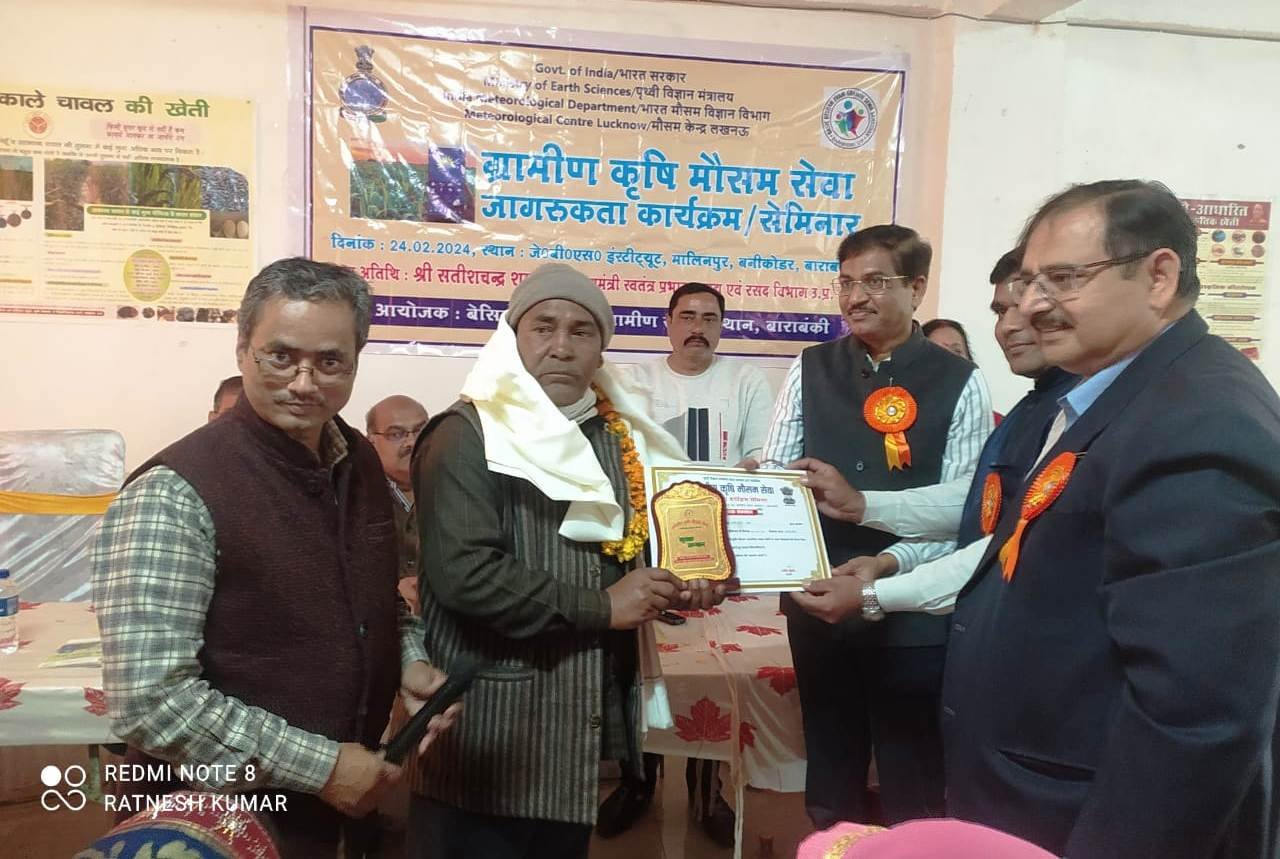
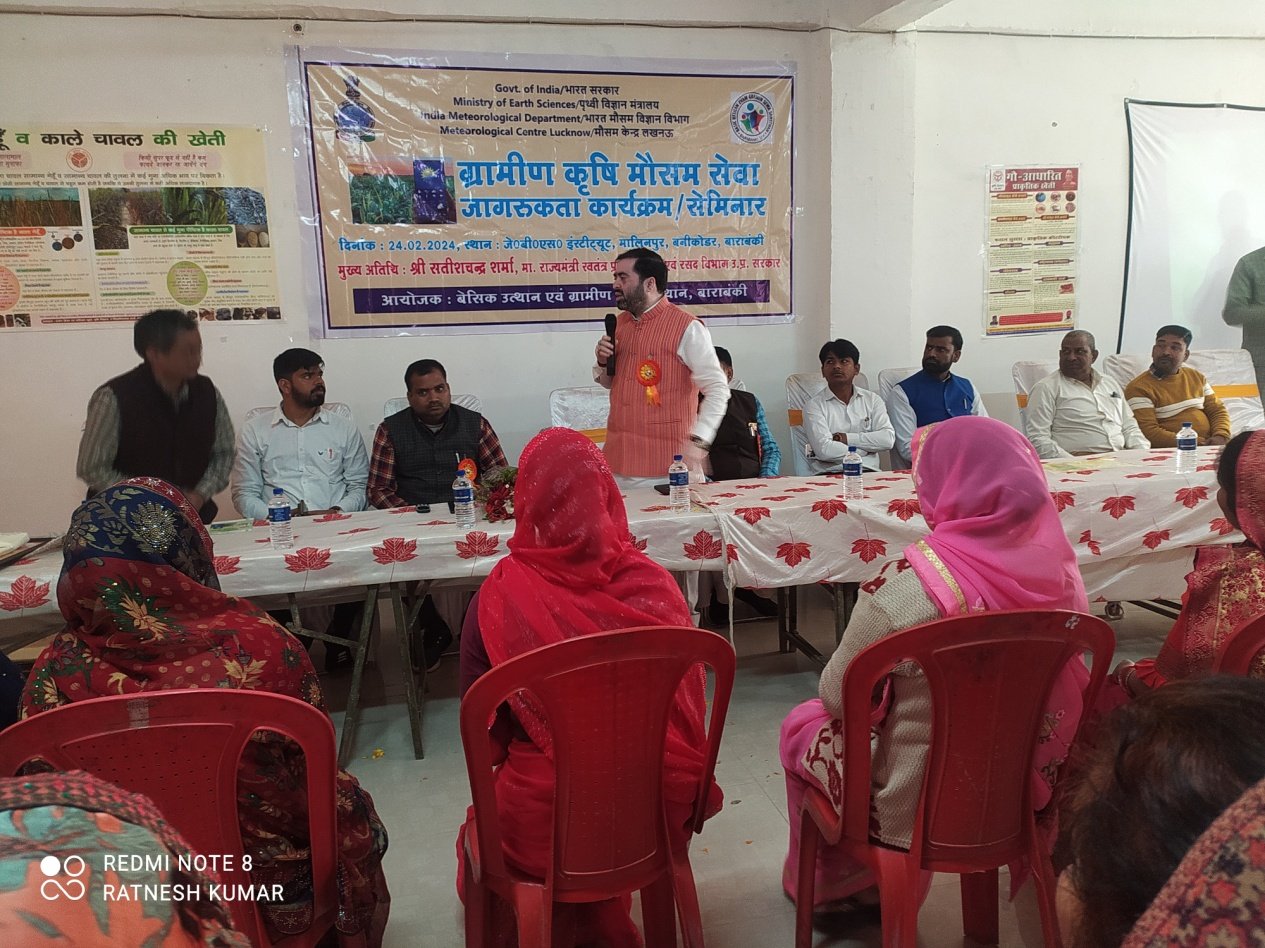
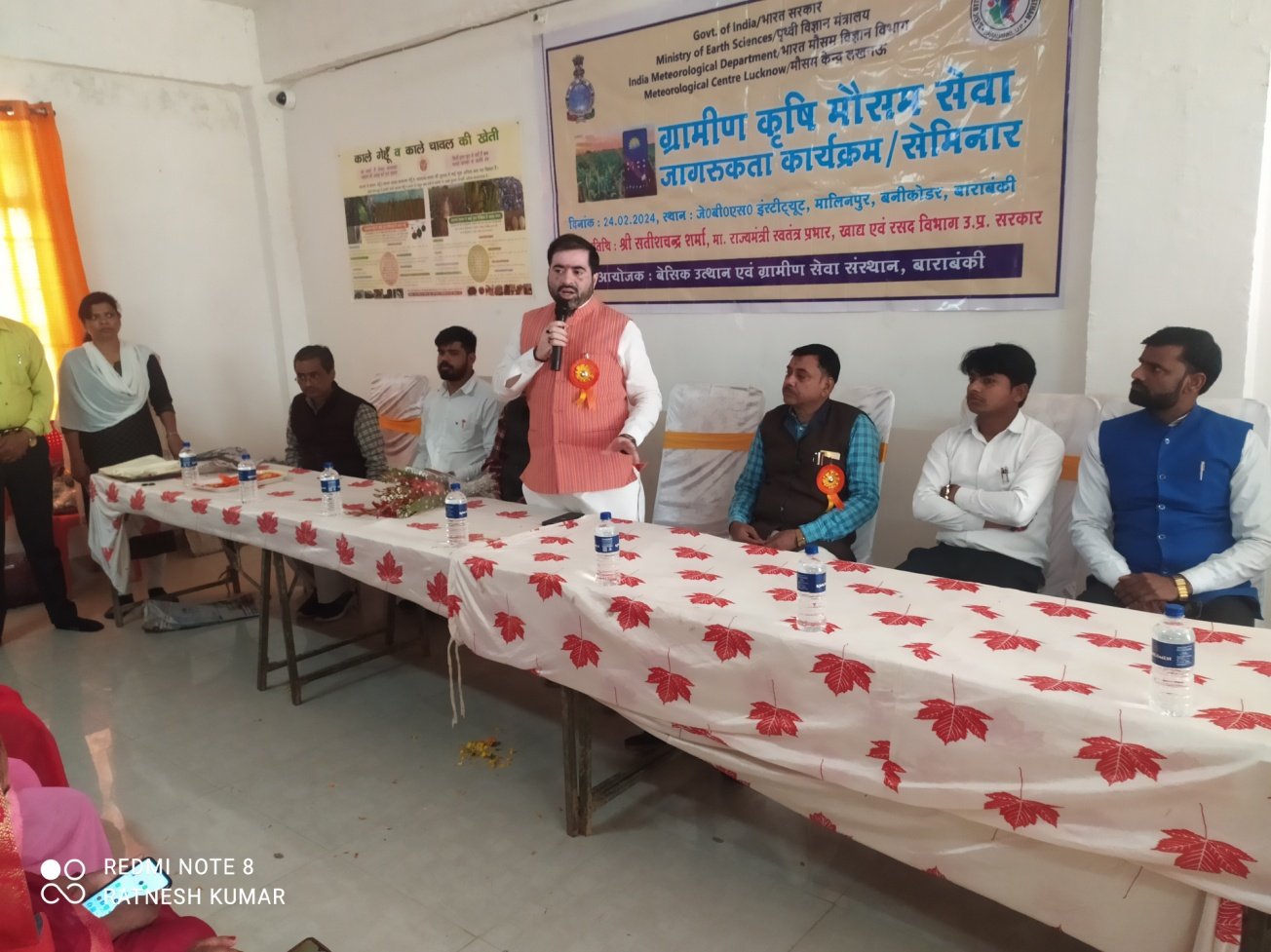
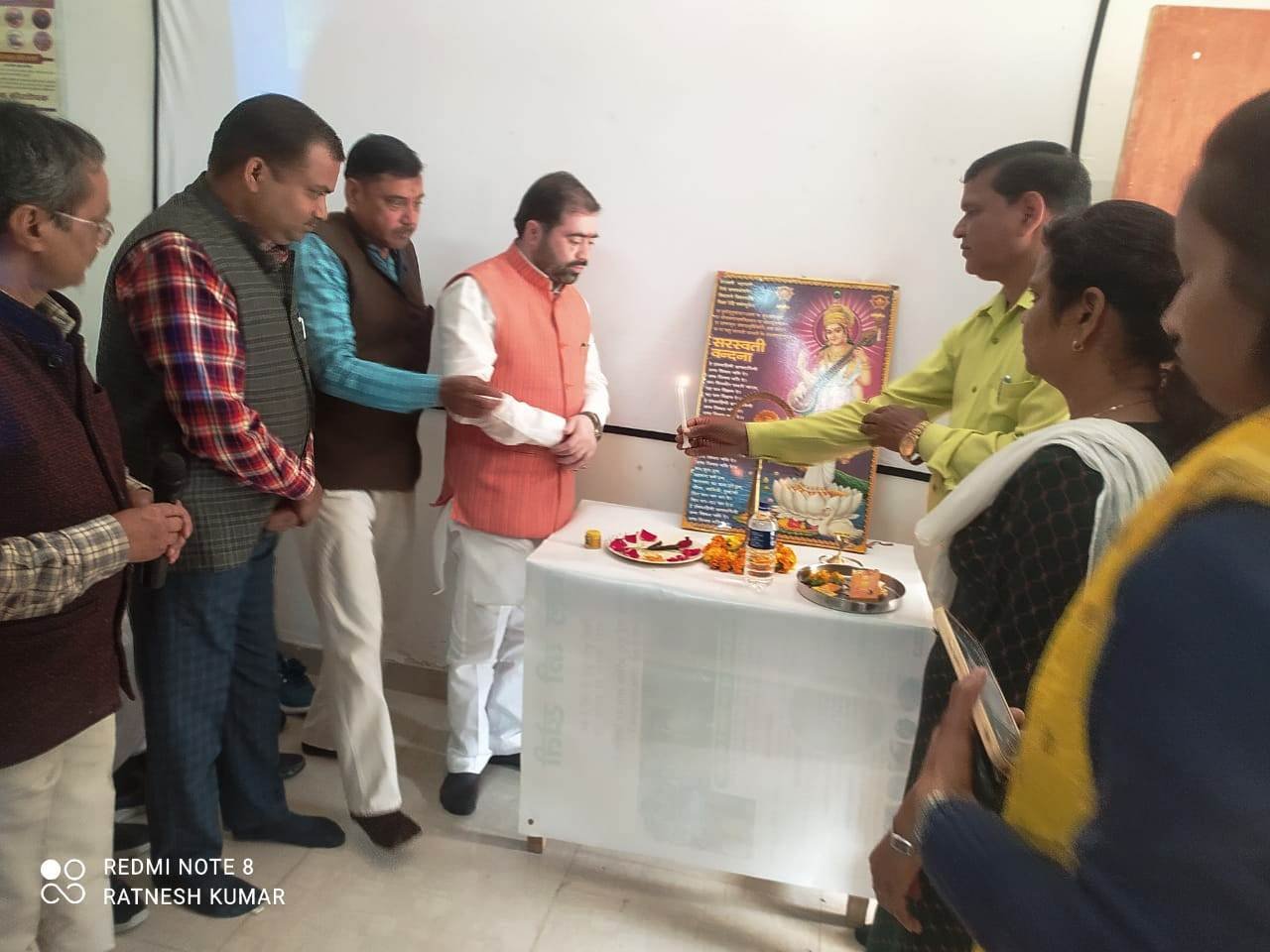
Gramin Krishi Mausam Sewa (GKMS)
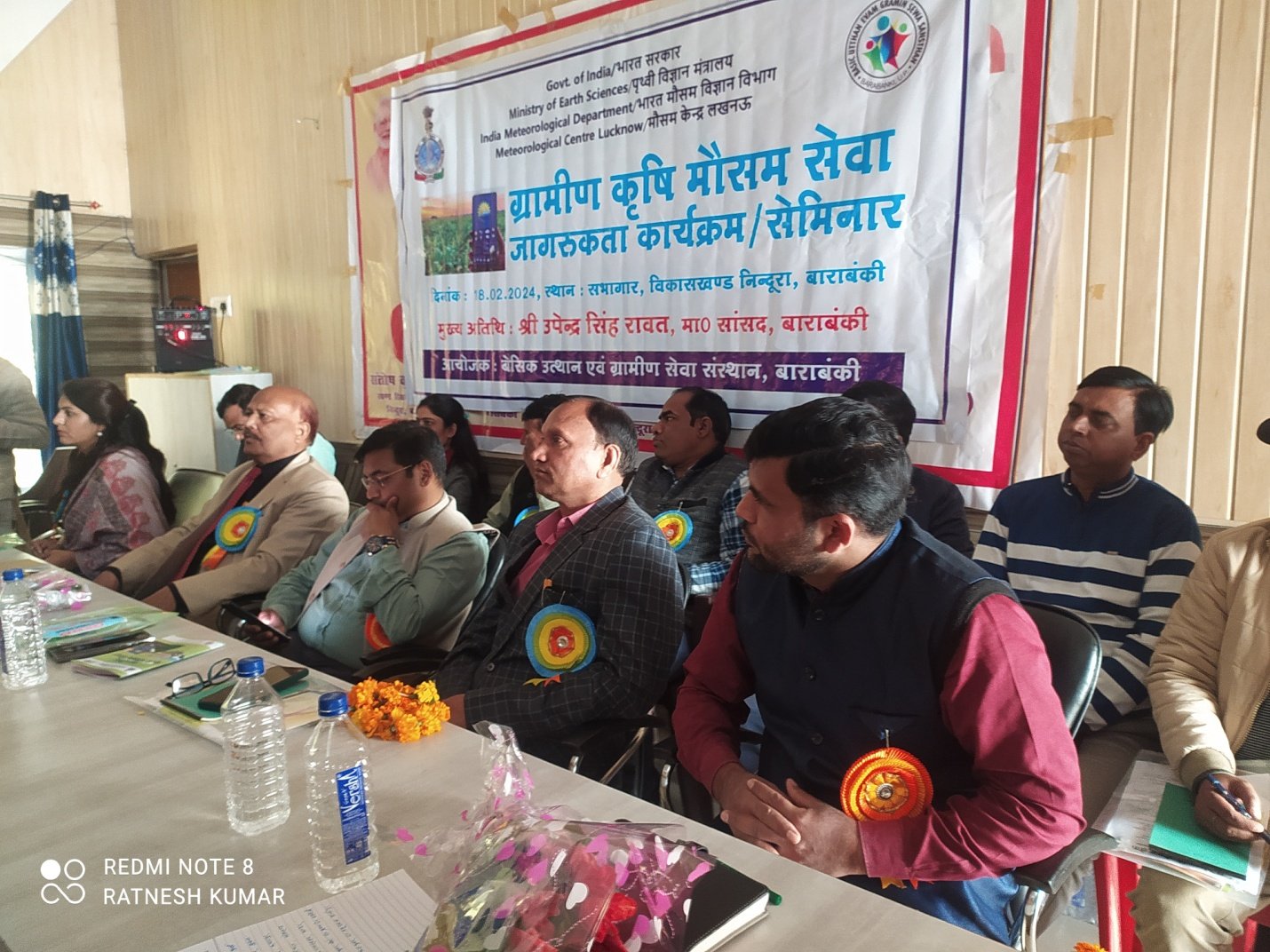
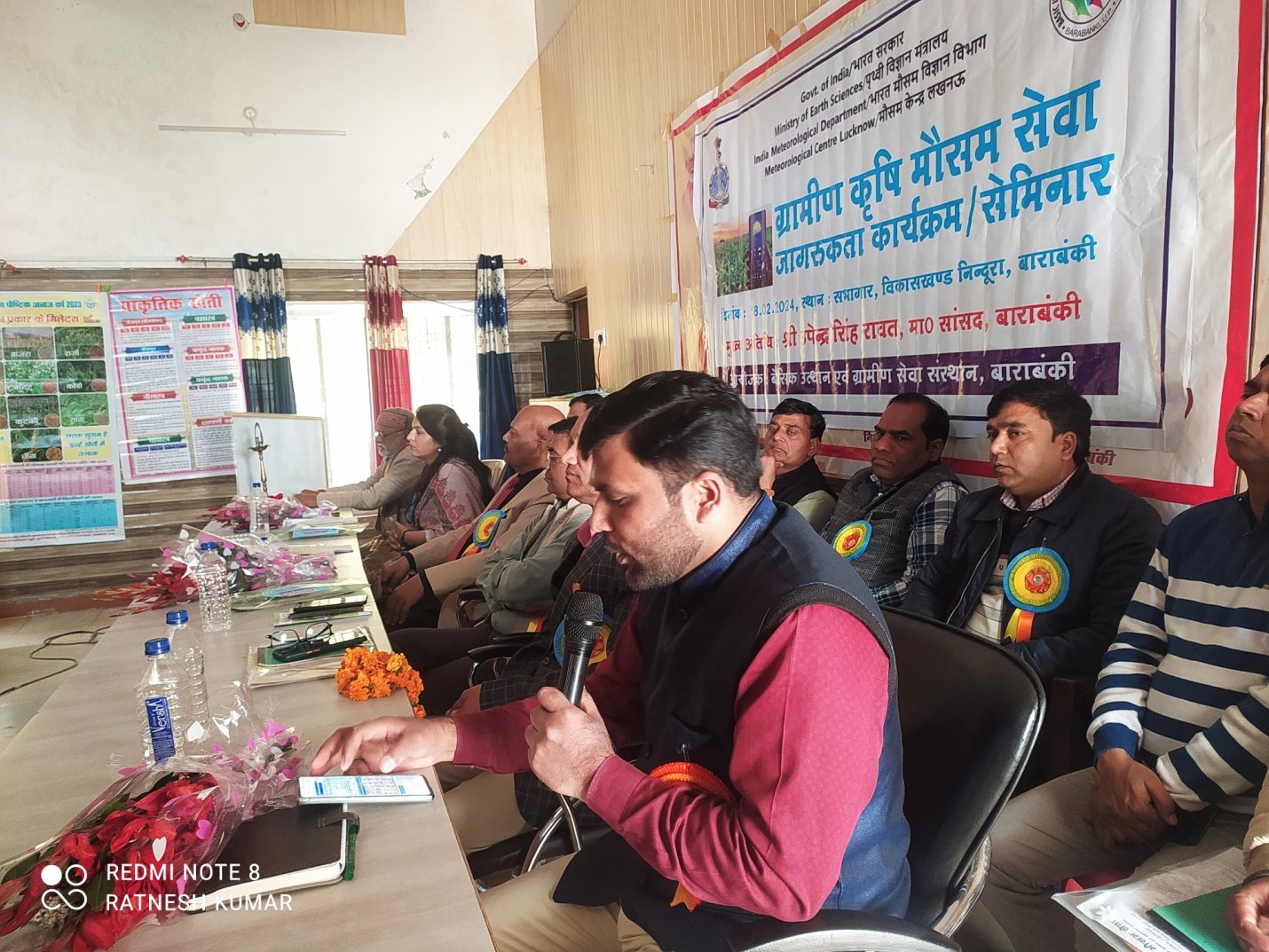
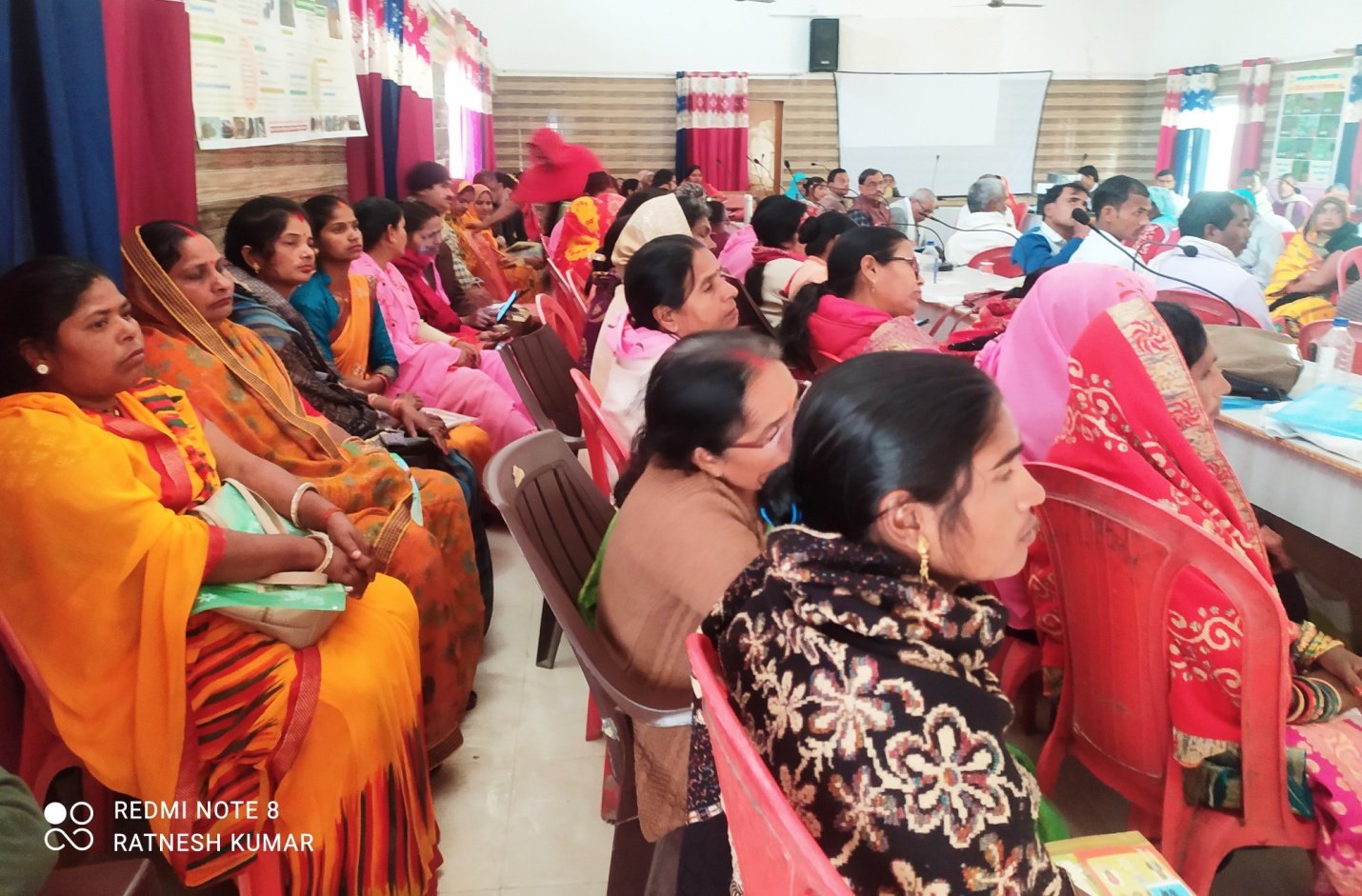
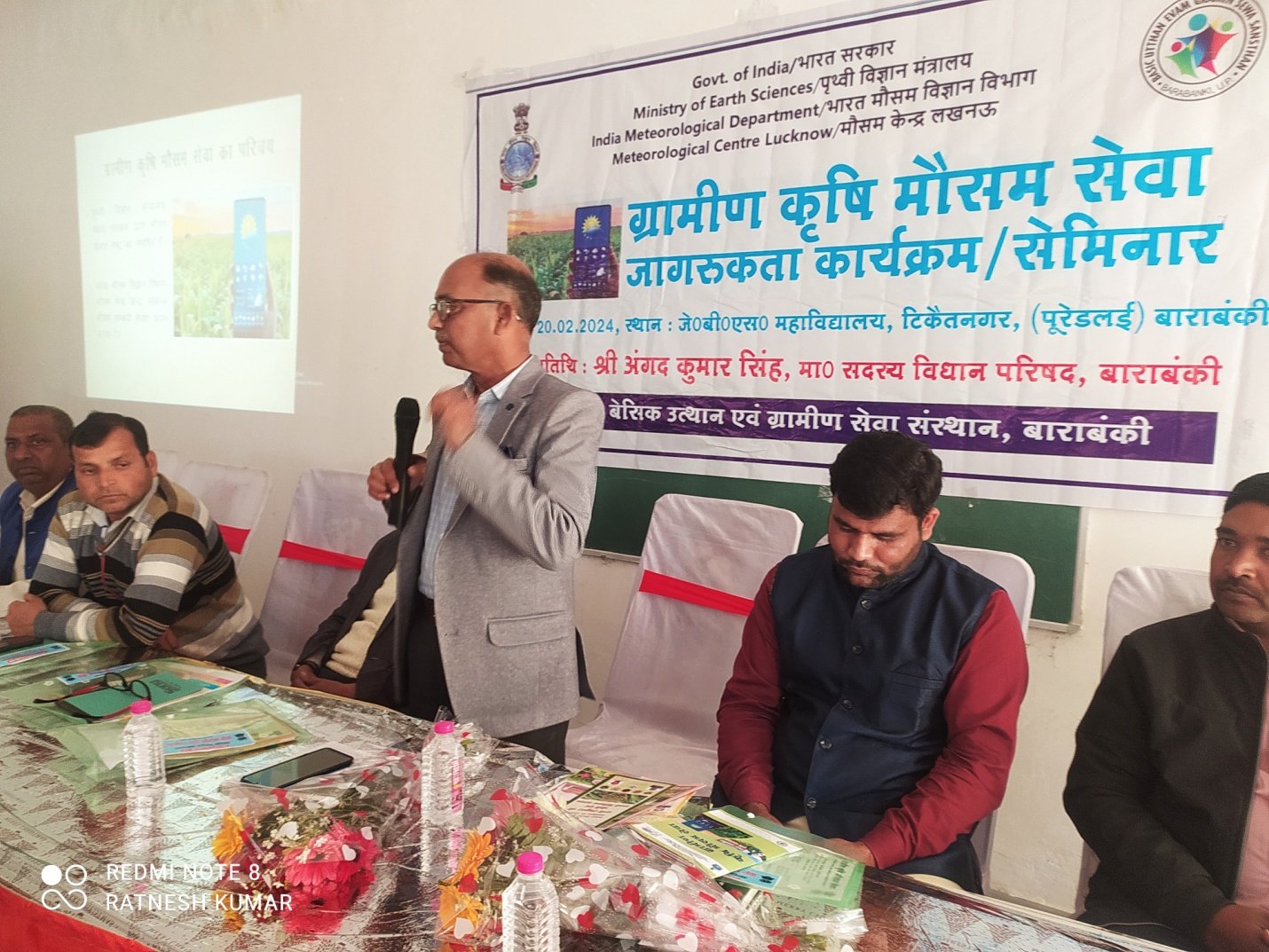
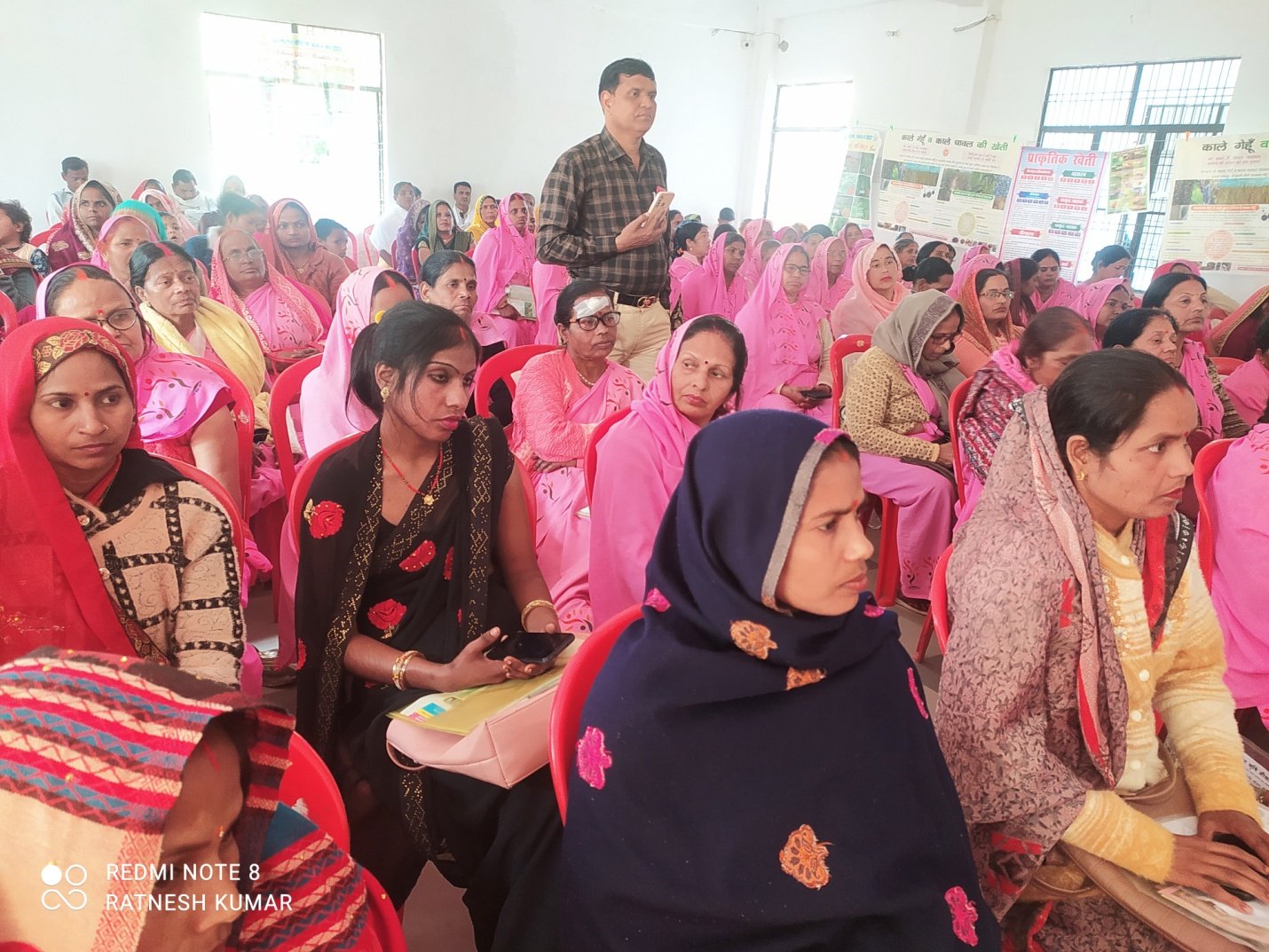
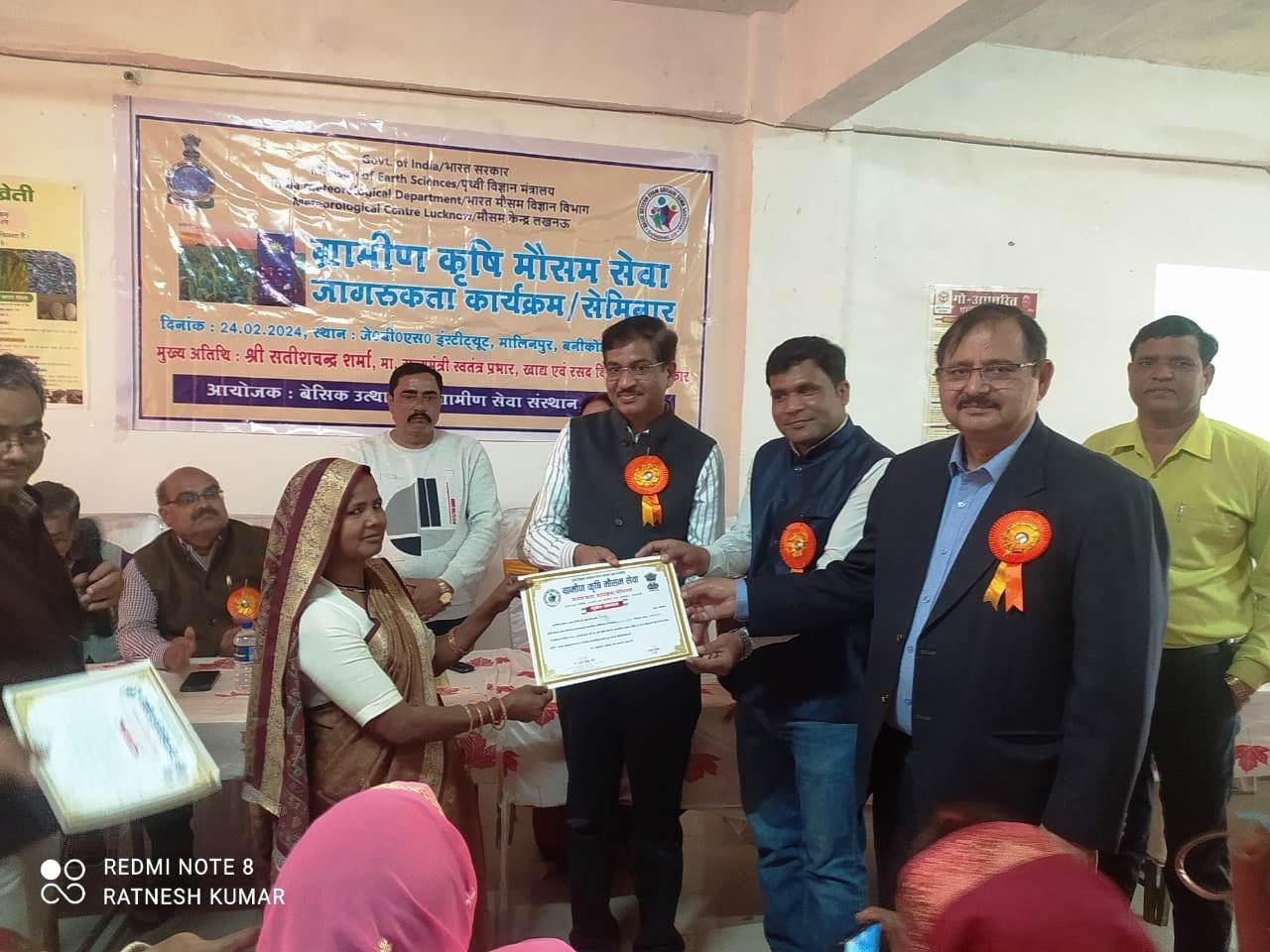
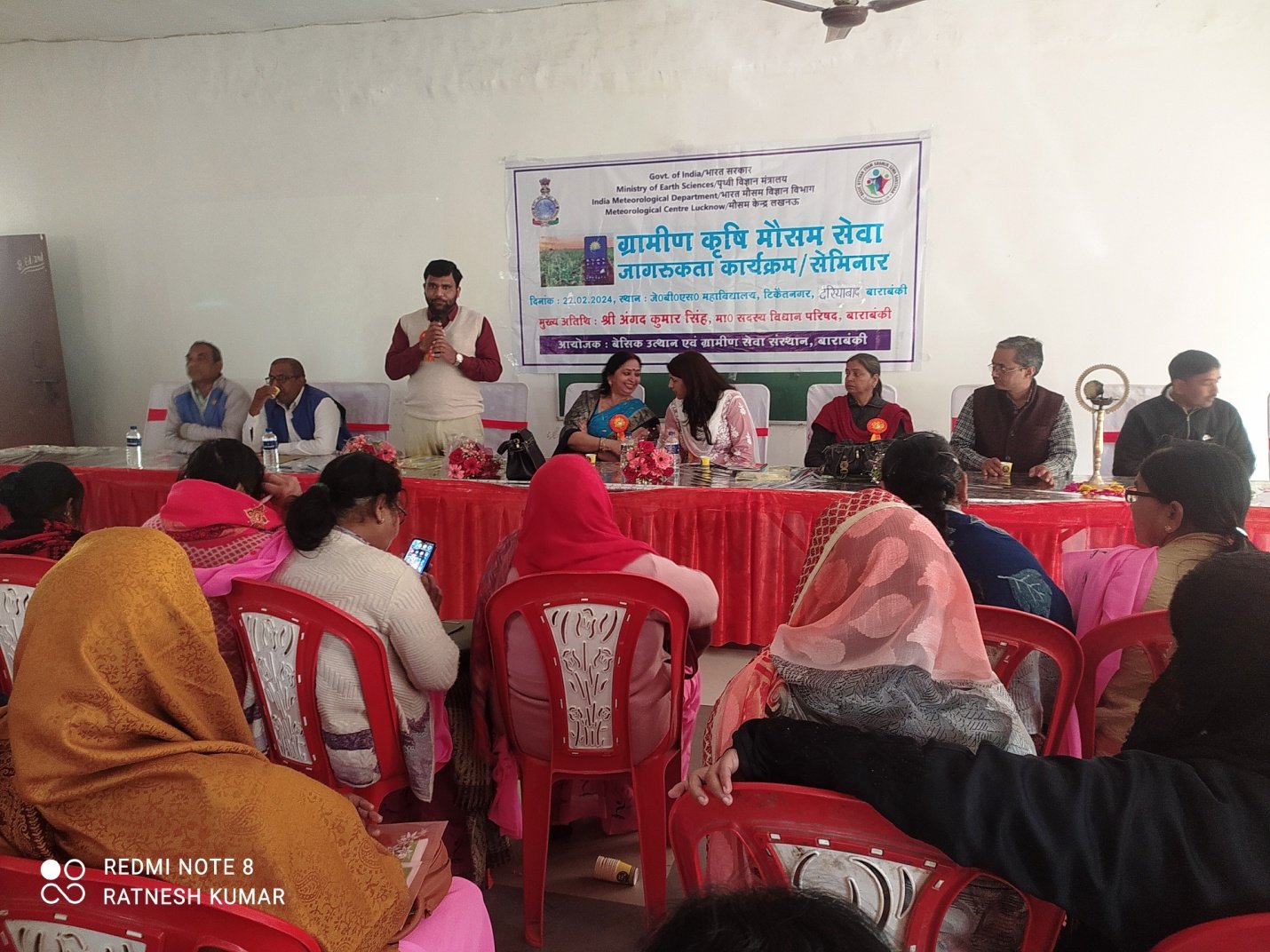
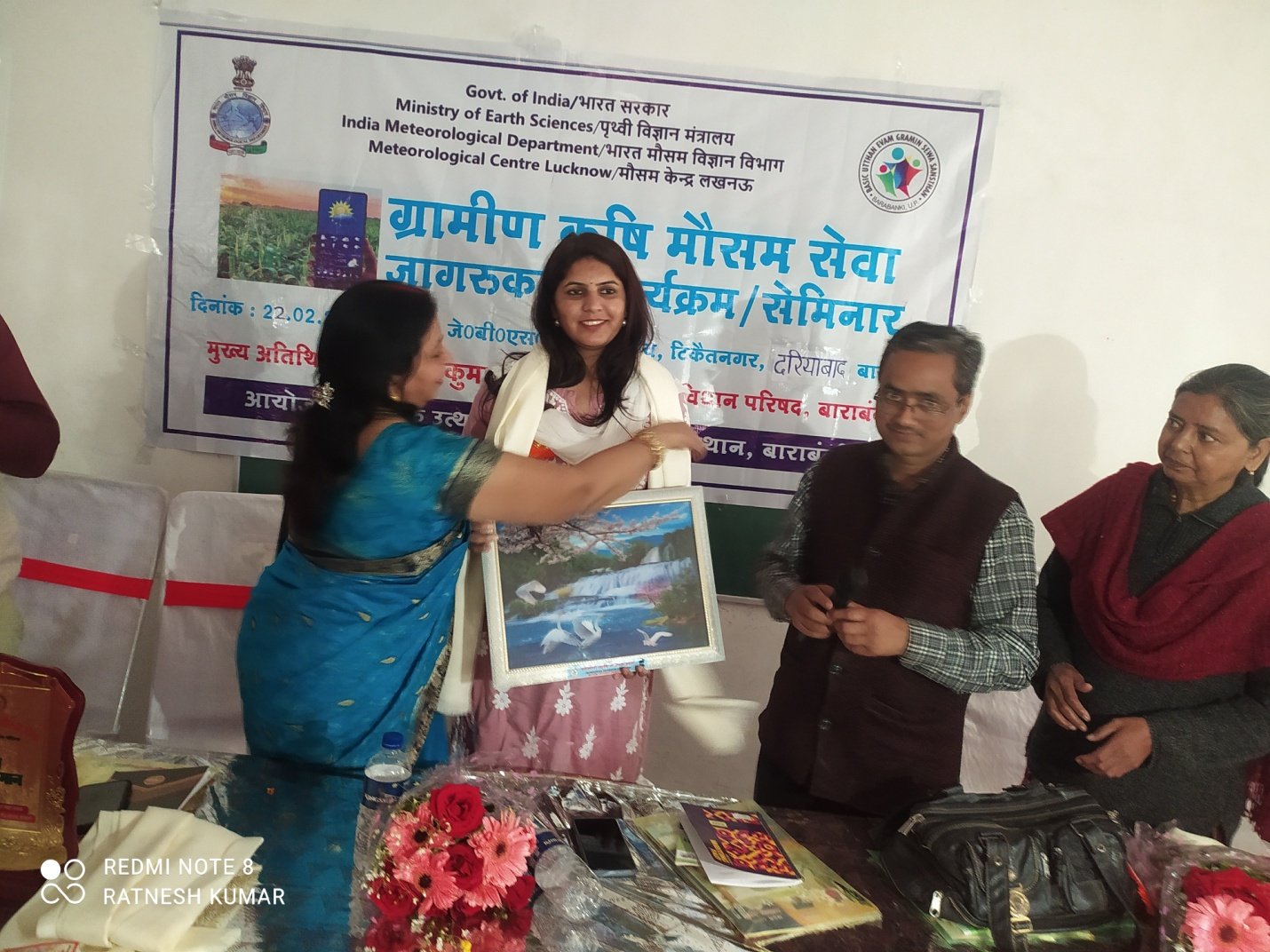
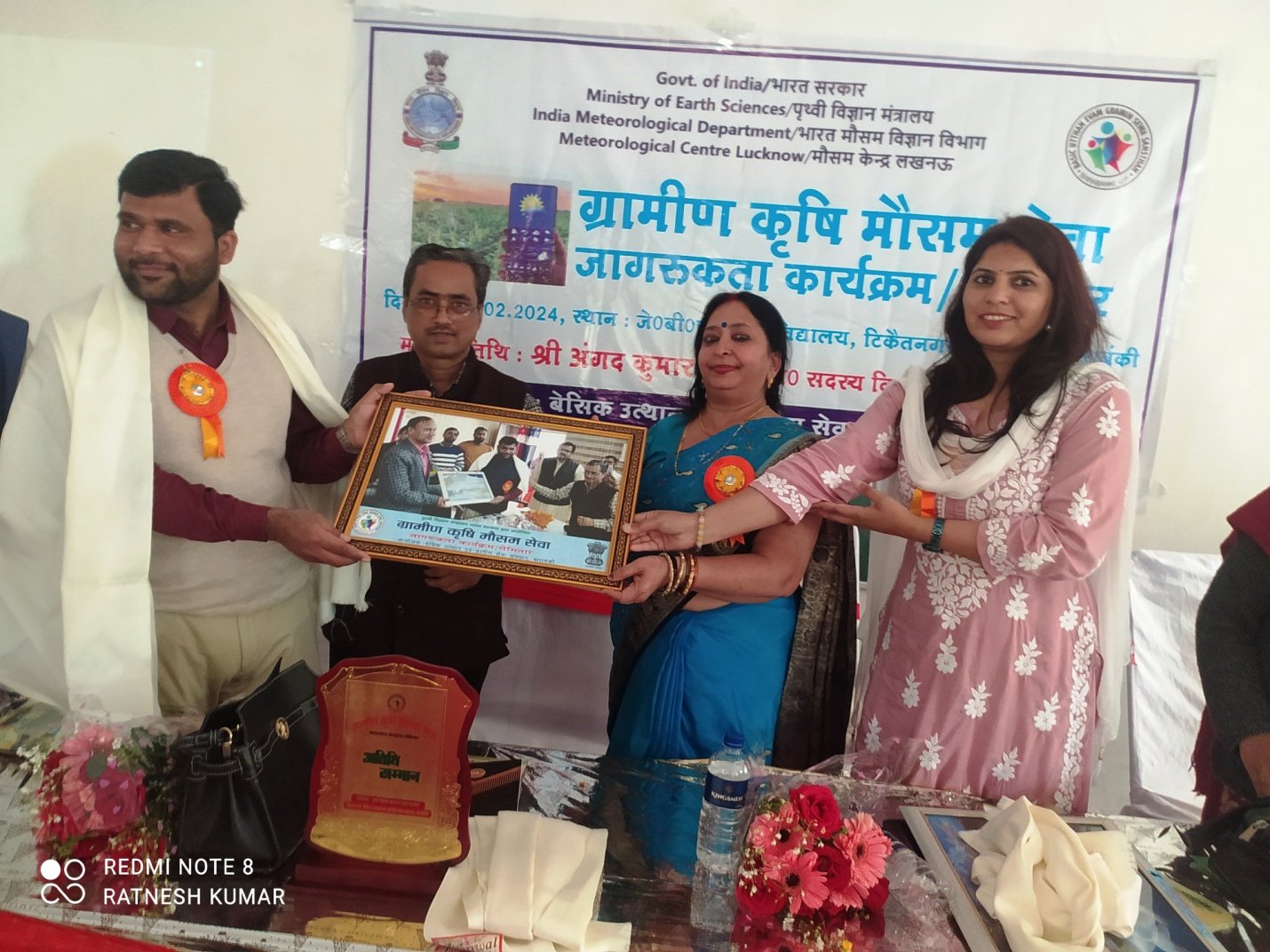
Organized seminars and awareness programs related to Gramin Krishi Mausam Sewa
(GKMS). Agriculture serves as the foundation of India's economy and depends heavily on weather patterns. Weather-based agricultural bulletins help farming communities make informed decisions. Data analysis from April 2016 to March 2017 showed rainfall RMSE of 22.47, maximum temperature RMSE of 0.63, and minimum temperature RMSE of 0.86.
Weather-related agricultural advisories can reduce cultivation costs and enhance crop production and animal husbandry. Weather critically determines agricultural success—crops depend on it for sustenance, and livestock require appropriate conditions for productivity and fodder availability. Adverse weather during critical growth stages causes severe production losses and economic hardship. The Indian Meteorological Department's Agro Metrological Advisory System effectiveness has been documented by the National Council of Applied Economic Research (2015). This seminar explores how weather elements—solar radiation, temperature, precipitation, humidity, and wind—affect animal physiology and production.
Major Objectives of the Seminar Sessions
- Provide information on GKMS benefits and weather forecasting channels
- Collate existing knowledge on weather-livestock relationships across agro-climate zones
- Develop breed-specific models for different agro-climate zones
- Assess weather forecast availability at desired resolution
- Raise awareness about the Ministry of Earth Sciences' role in weather forecasting and farmer welfare schemes
- Discuss integrating weather-based animal husbandry advisories into existing systems
- Provide climate protective actions for agriculture
- Offer expert suggestions to farmers for climate protection and agromet services
- Register farmers with Agriculture Metrology Department; provide knowledge about AAS Bulletin, district forecasts, SMS advisories, and Agromet Centers
- Register farmers on IMD website for SMS alerts in local languages
- Create action plans for sustainability
- Write awareness slogans on walls
- Promote seasonal and commercial farming
- Form surveillance committees
Implementation Across Barabanki District
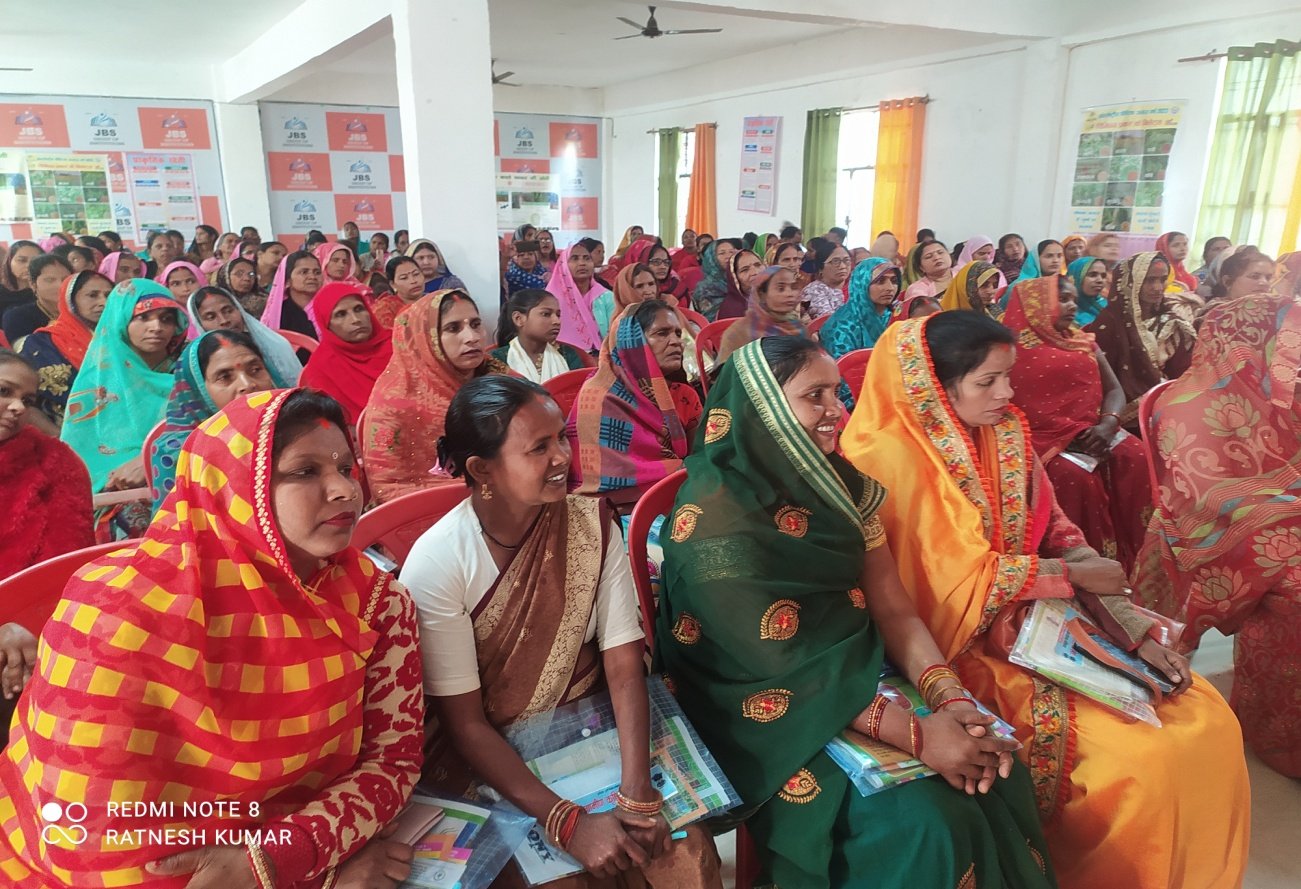
The organization conducted seminars across four Barabanki district blocks with Ministry of Earth Sciences support. These programs aimed to help farmers reduce weather-related risks and boost production using meteorological guidance. Collaborating organizations included Krishi Vigyan Kendra Haidergarh, India Meteorological Department, State Agricultural Meteorological Service Center Lucknow, and district agriculture officials. Participants included farmers' clubs, self-help groups, community leaders, village workers, and stakeholders. Honorable Minister of State Satish Chandra Sharma and Legislative Council Member Angad Kumar Singh addressed inaugural sessions.
Participation Statistics by Block
| Block | Participants | Resource Persons/Scientists | Guests/Dignitaries | Other | Total |
|---|---|---|---|---|---|
| Nindura | 182 | 6 | 12 | 12 | 212 |
| Puredalai | 203 | 5 | 12 | 8 | 228 |
| Dariyabad | 233 | 5 | 9 | 10 | 257 |
| Banikoder | 246 | 5 | 13 | 20 | 284 |
Comprehensive Climate Change & Rural Livelihood Initiatives
To augment core weather metrics, the organization executes integrated developmental campaigns aimed at building adaptive capacity and introducing progressive, technologically advanced farming methods across Barabanki district. These synchronised field initiatives emphasise socio-economic empowerment alongside scientific climate protection:
- Women Empowerment and Livelihoods: In financial and structural partnership with the National Bank for Agriculture and Rural Development (NABARD), the organization has organised rural women into 50 Self-Help Groups (SHGs), providing sustainable models for diversified, improved rural livelihoods.
- Socio-Legal Advocacy & Protection: Recognising the intersectionality of climate impacts and family health, dedicated awareness and advocacy campaigns are regularly undertaken to enforce strict child security networks and ensure women's social safety within rural communities.
- Modern Crop Protection Strategies: Scientists from nearby Krishi Vigyan Kendras are routinely invited to instruct community forums, motivating farmers to apply modern crop protection concepts, leverage advanced forecasting data, and transition toward resilient, high-yield agricultural methodologies.
- Financial Risk Management & Safety Nets: Subject matter experts provide guidance on national insurance frameworks, notably the Pradhan Mantri Fasal Bima Yojana (PMFBY), covering alternative crop insurance options, risk exposure coverage, and insurance claim filing procedures.
- Information Dissemination & Agribusiness Inputs: The organization maintains a consistent supply of educational books, agrarian magazines, and operational tools for baseline technical development, alongside pathways to helpful public-sector welfare schemes.
- Organic Waste & Livestock Management: Practical capacity building is provided for producing high-grade thermal composts and modern biopesticides, optimising organic material recycling while protecting crops from harmful biological infestations.
- Livelihood Elevation: Active members of local Farmers' Clubs report consistent increments in harvest volumes, improved financial stability, and modernised lifestyles driven by precise weather-guided planning.