An Analytical Report on the Nasha Mukt Bharat Abhiyan & Local Implementations
India is severely grappling with the crisis of drug addiction, affecting public health and social fabric. Young adults face immense contemporary psychological pressures regarding career progression and societal expectations, sometimes turning to substances.
Current Statistical Realities
- Over 10% of the population suffers from mental disorders
- Approximately 15 per 1,000 individuals consume illicit drugs
- 25 per 1,000 suffer from chronic alcohol abuse
- Only 20% of required psychiatric and de-addiction beds are available
Addiction and Mortality
The National Crime Records Bureau reported over 10,000 suicides in 2021 due to drug addiction. Data tracking began in 1995 with 745 cases; since 2016, an average of 1,000 additional cases occur annually.
Government Initiatives
- Department of Social Justice and Empowerment as nodal agency
- Nasha Mukt Bharat Abhiyan launched August 2020, targeting 272 districts
- Drugs and Cosmetics Act (1940)
- Narcotic Drugs and Psychotropic Substances (NDPS) Act (1985)
- Prevention of Illicit Trafficking Act (1988)
- Narcotics Control Bureau (NCB), Directorate of Revenue Intelligence (DRI)
- NIDAN portal and NCORD framework for criminal databases
National Survey Data
- 16 crore alcohol users (14.6% of ages 10-75); 5.2% meet dependency criteria
- Nearly 30 million cannabis users; 72 lakh with severe disorders
- 2.06% opioid users; 60 lakh need treatment
- 1.18 crore non-medical sedative users
- 1.7% dependency among children and teenagers
- 8.5 lakh engage in high-risk intravenous injection
Barabanki District Implementation
Multi-Stakeholder Coordination
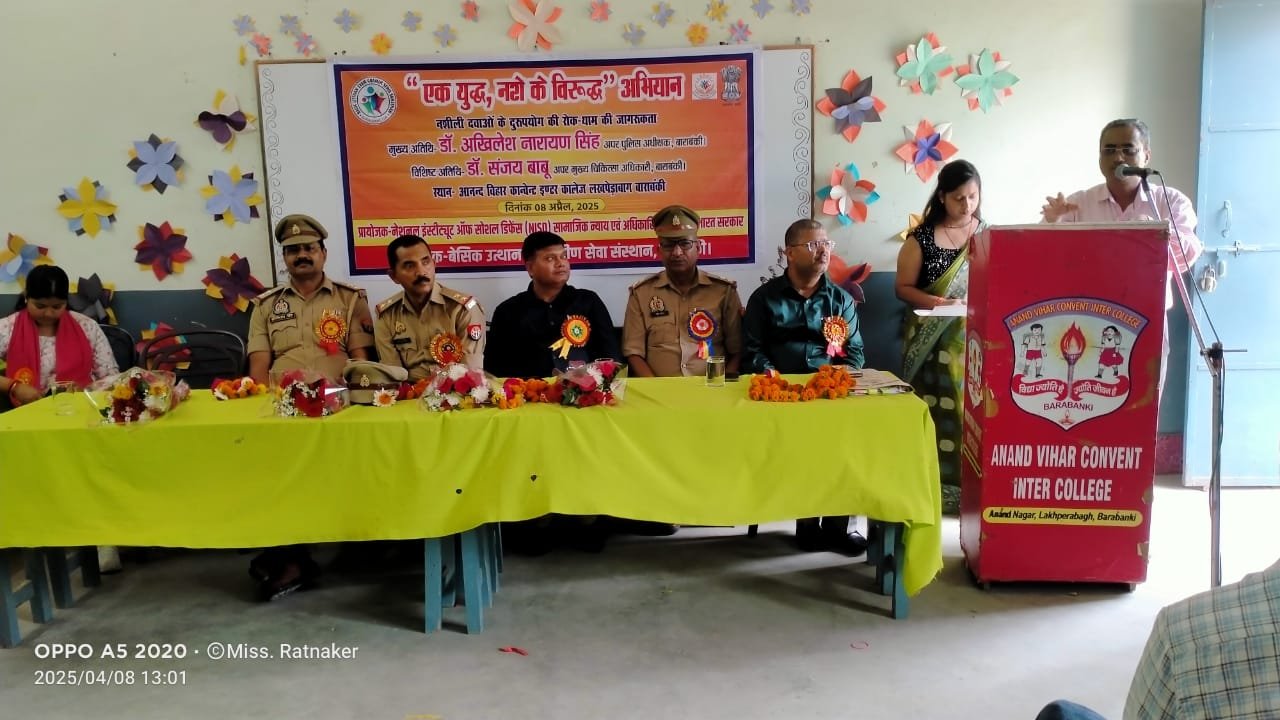
Execution involved Child Welfare Committee, Juvenile Justice Board, Special Juvenile Police Unit, Narcotics Department, District Child Protection Unit, Childline 1098, Department of Prohibition, District Drug Control Department, Social Welfare and Health Departments, Red Cross Society, de-addiction centers, institutional principals, and teachers.
Community Outreach Strategies
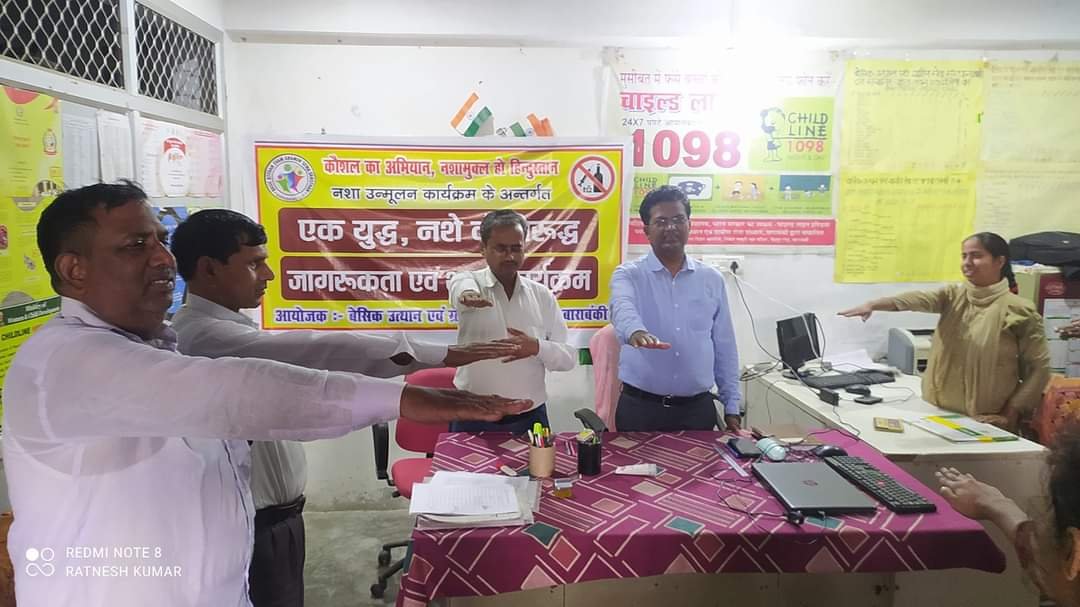
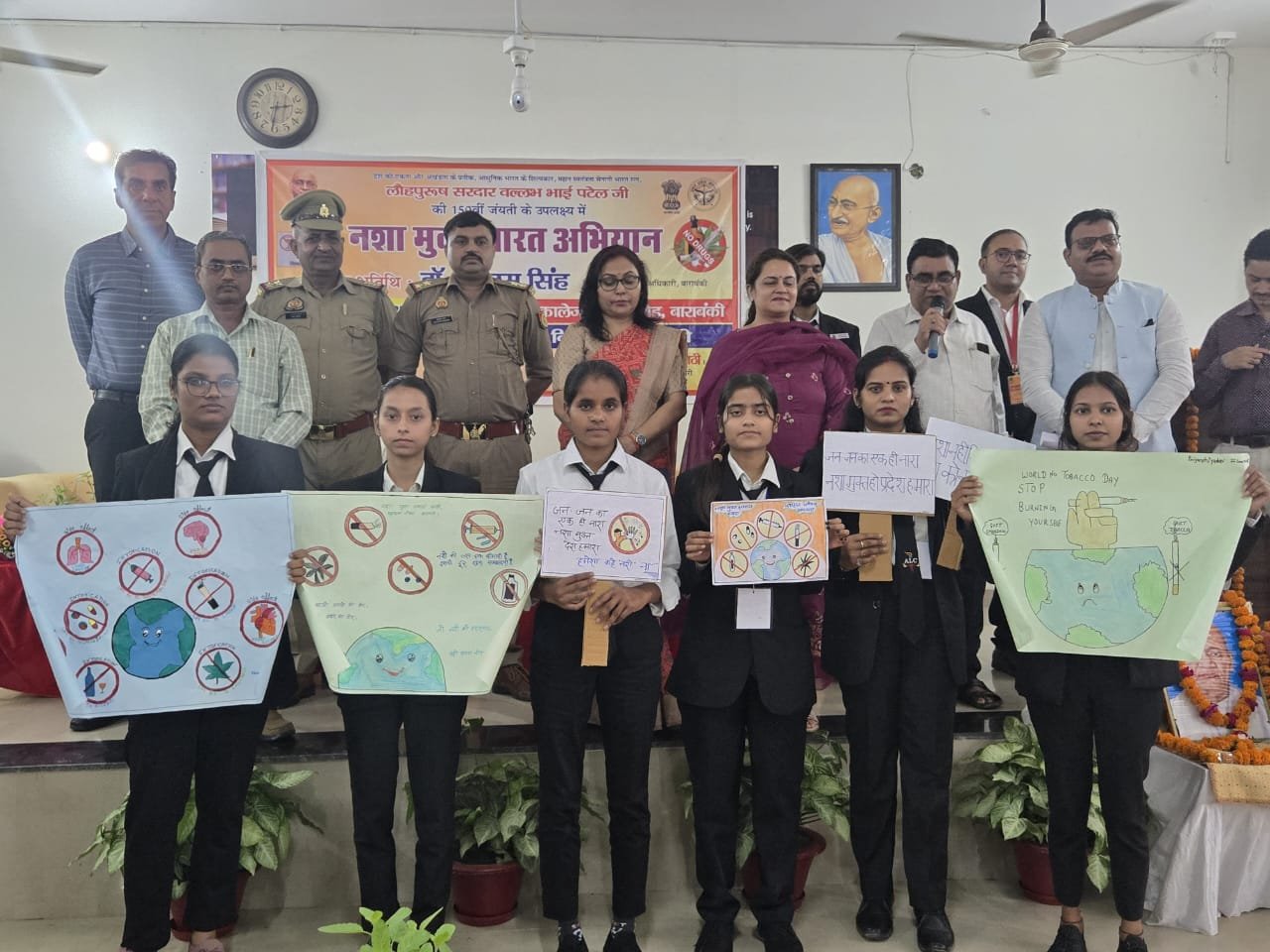
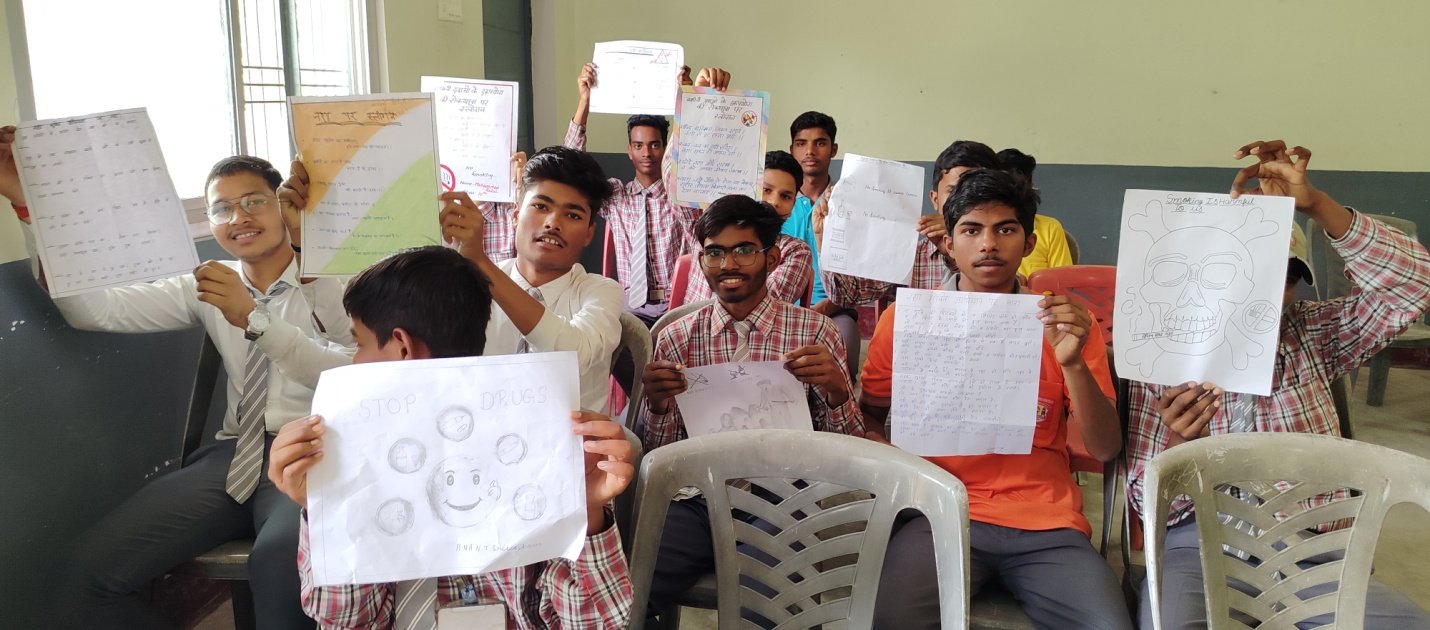
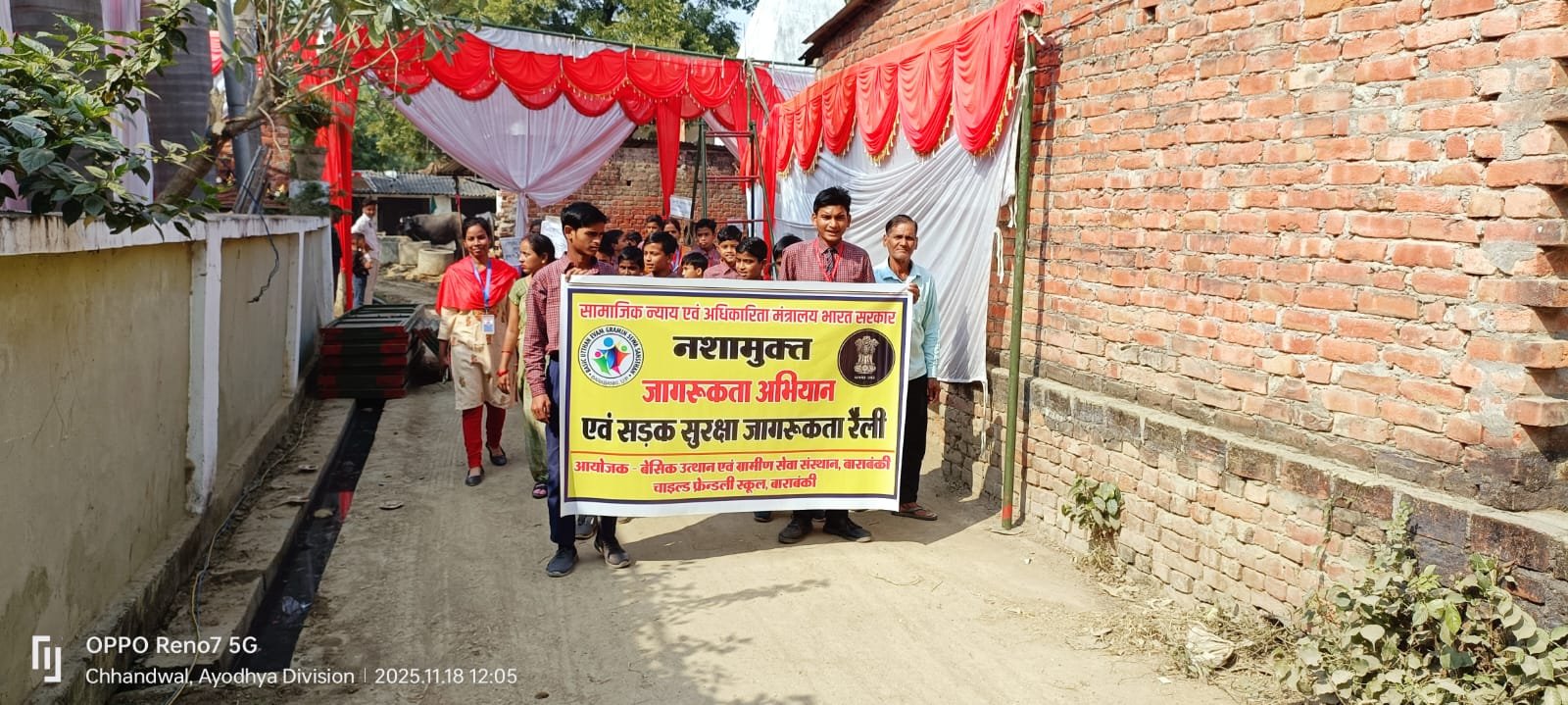
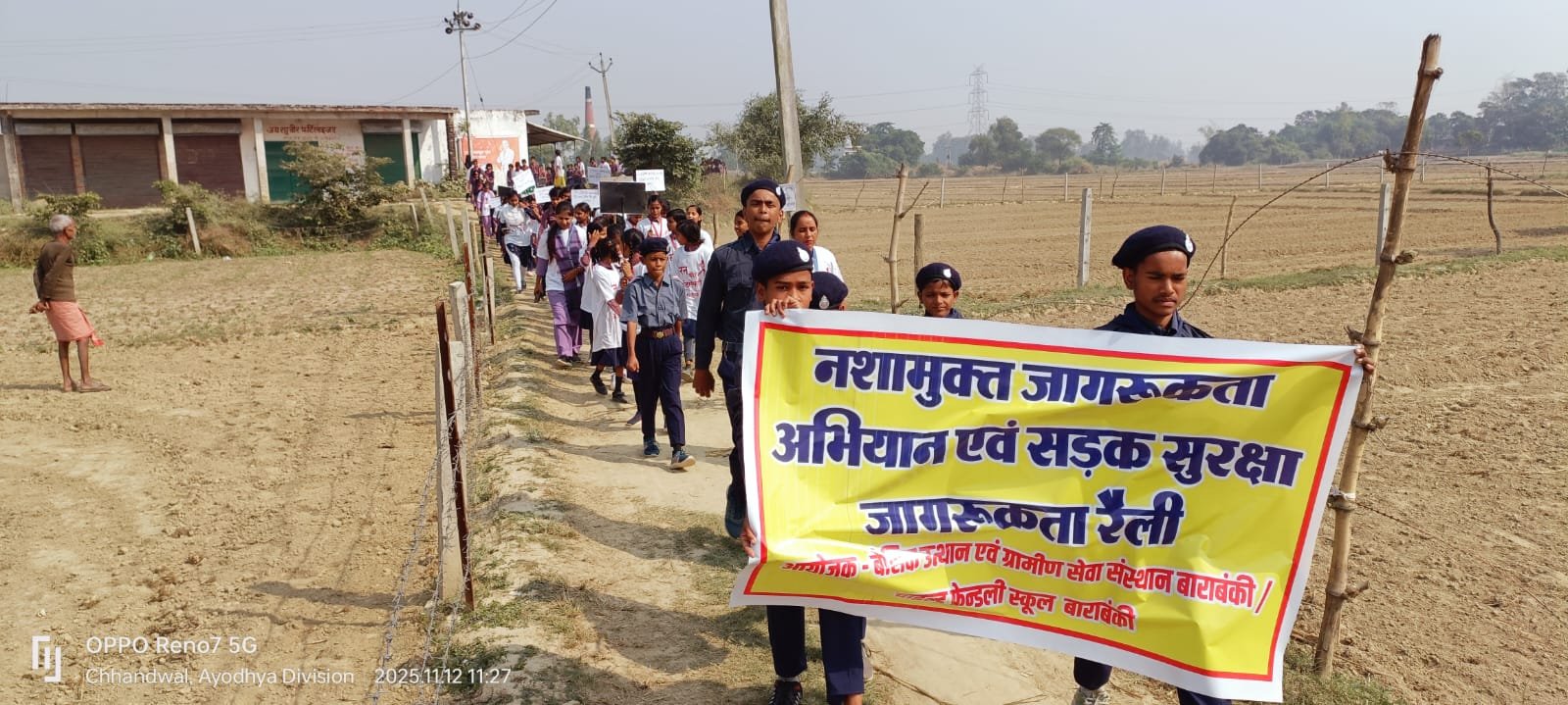
- Visual publicity through posters, banners, hoardings, wall writings, anti-drug slogans
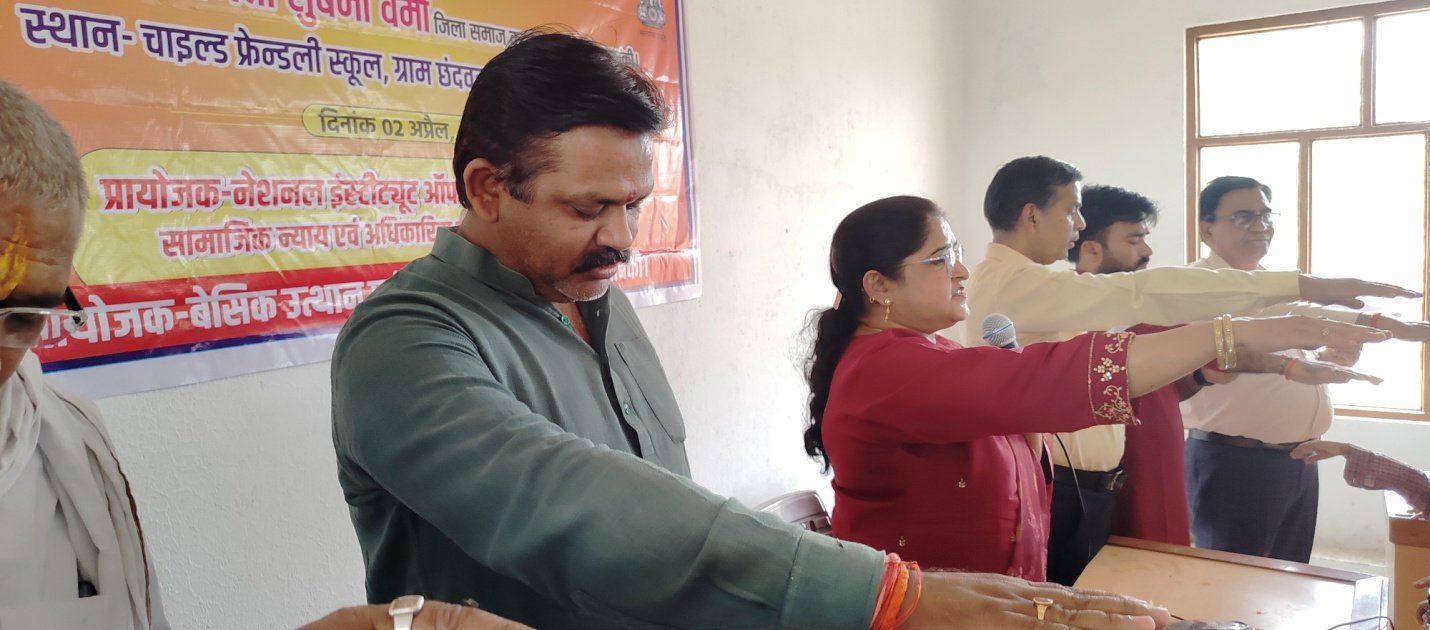
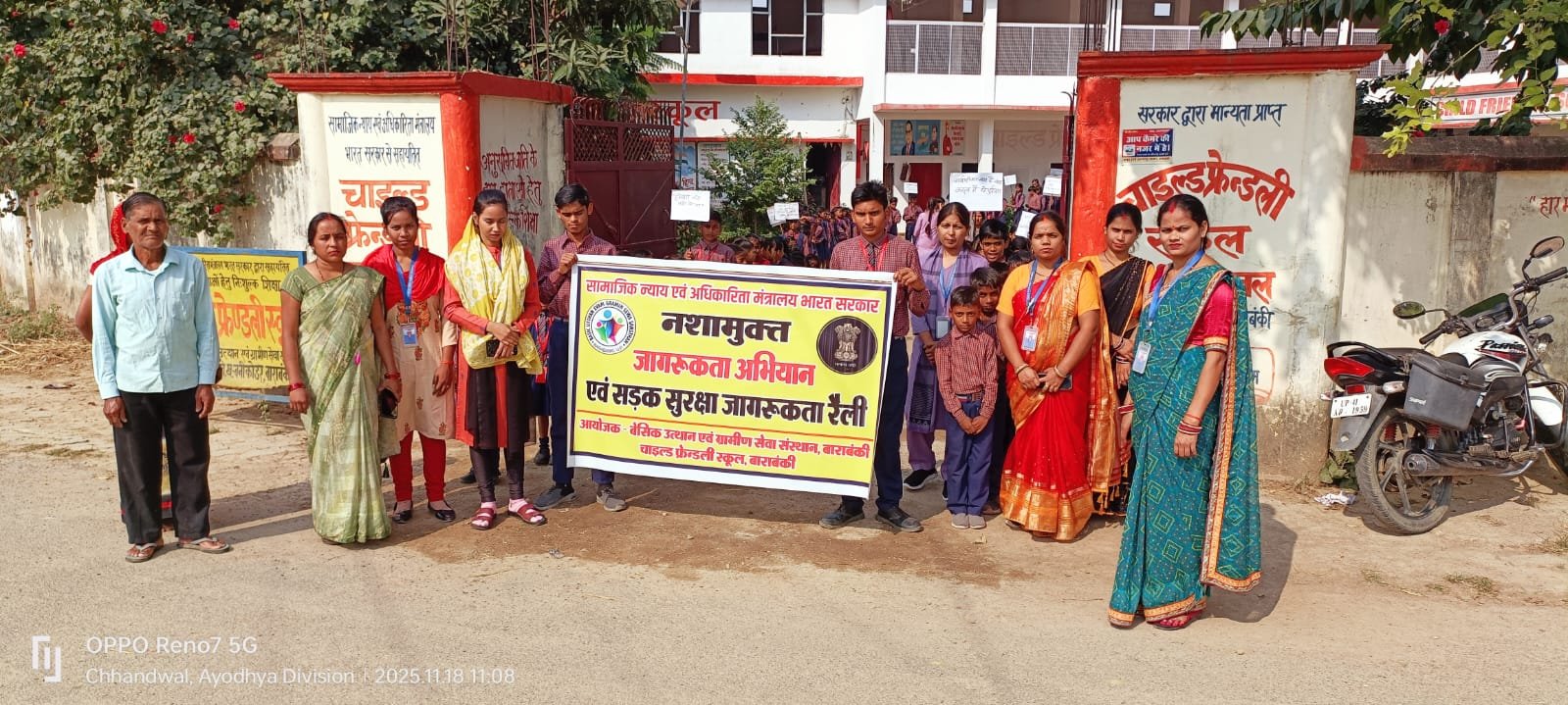
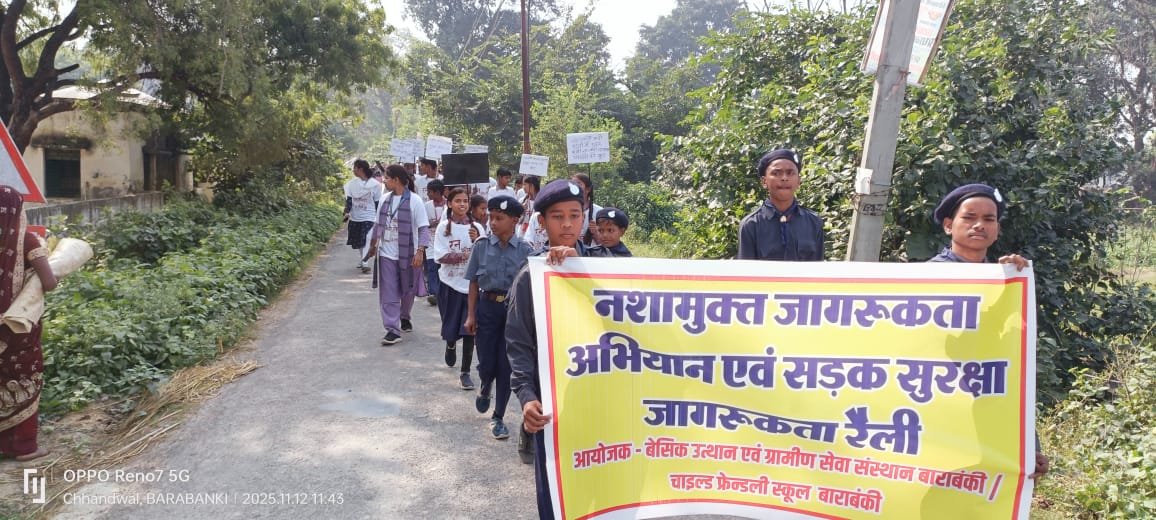
- Student rallies, traditional morning processions (Prabhat Pheris), street plays (Nukkad Sabhas)
- Interactive seminars, role-plays, one-act plays, chart competitions
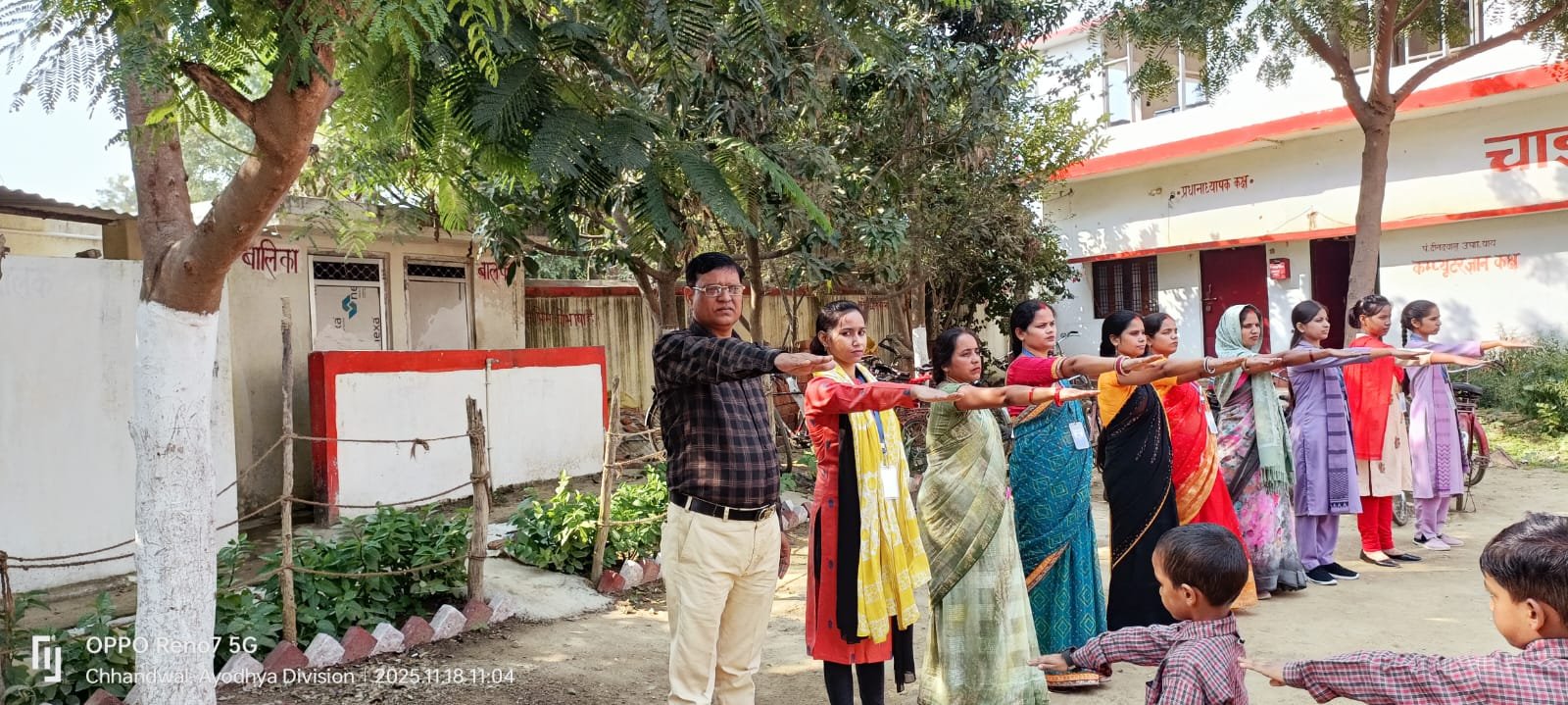
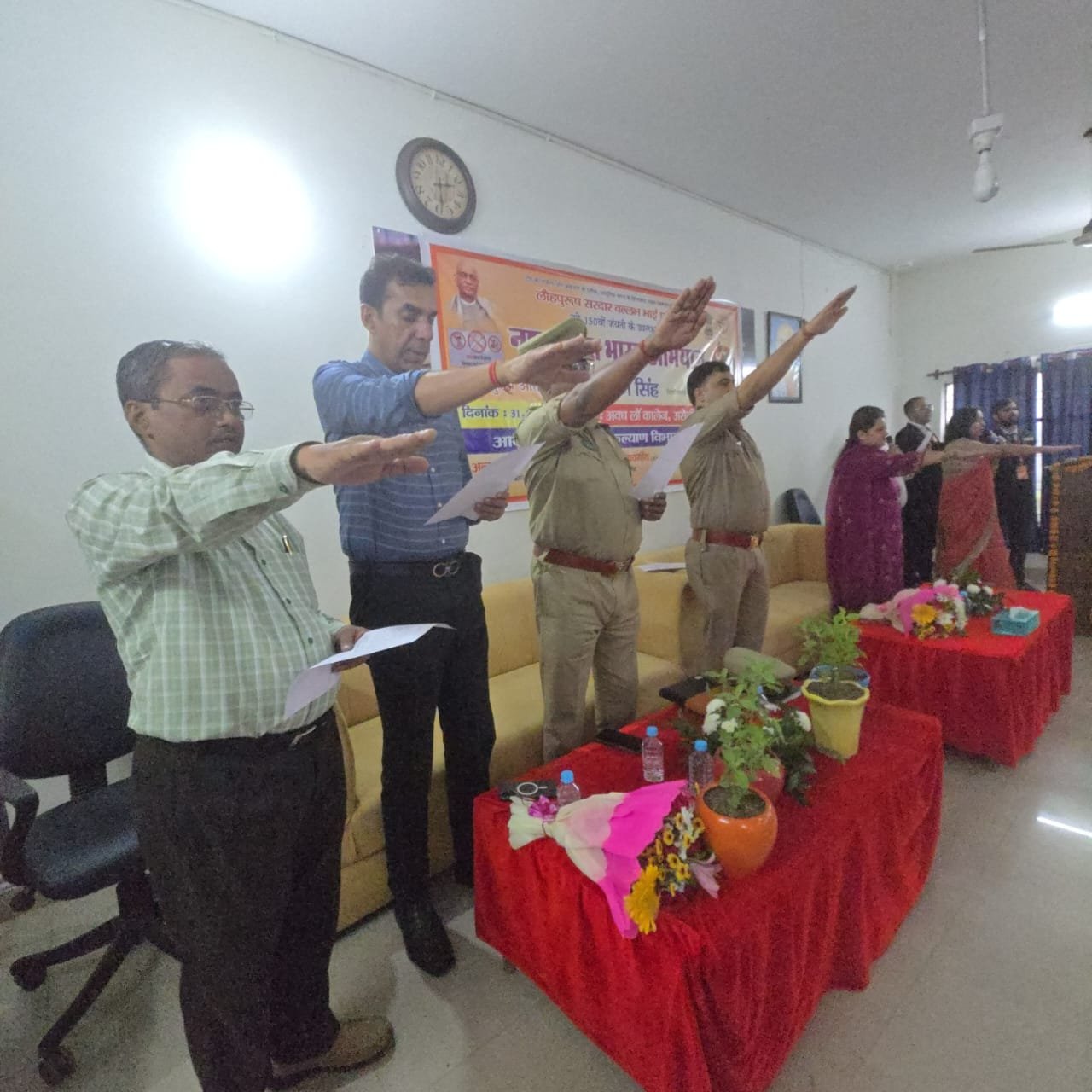
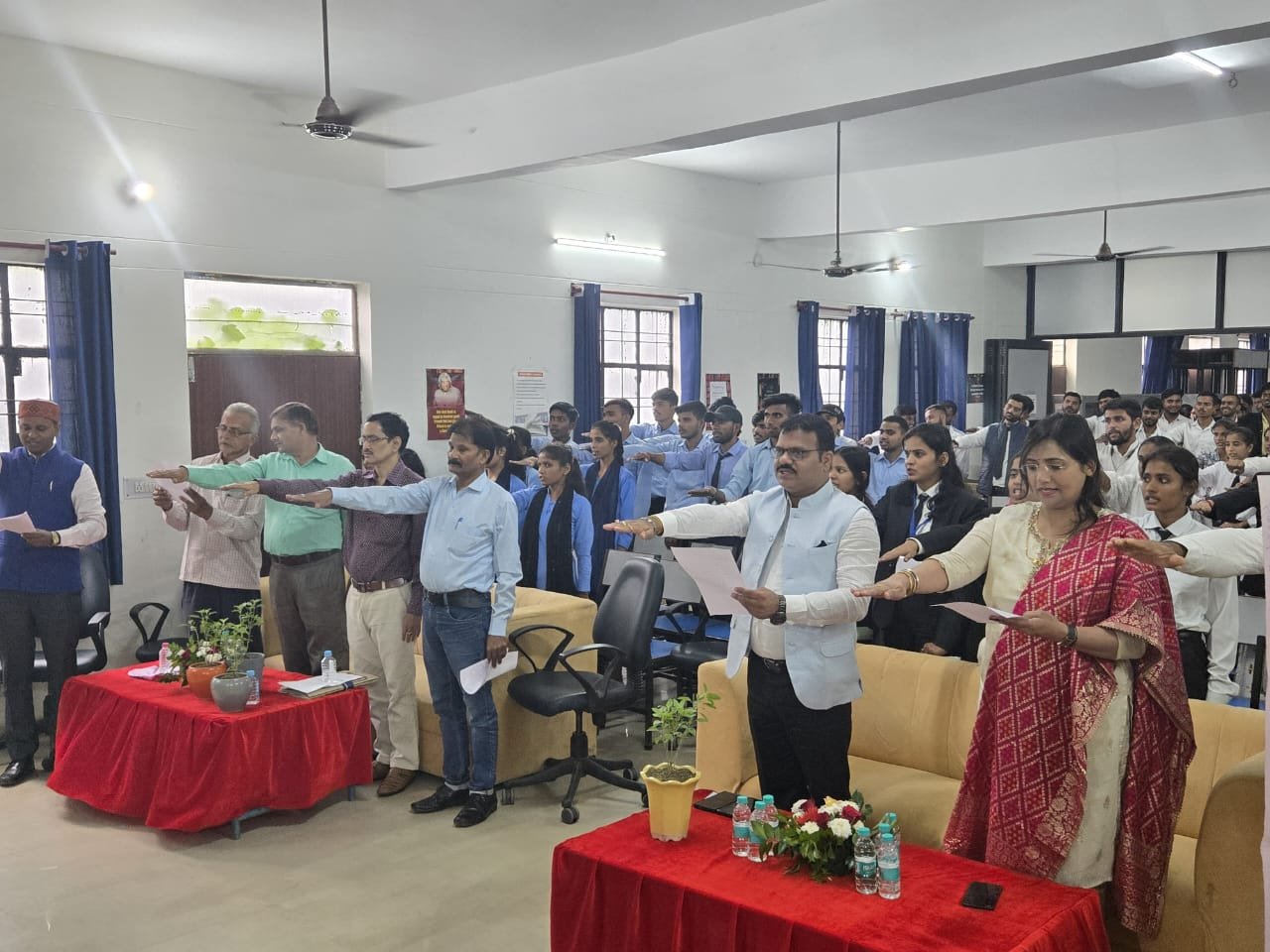
- Abstinence pledge campaigns
- Removal of liquor and cannabis shops within 1 km of schools/colleges
Program Outcomes
- Increased community vigilance against youth substance abuse
- Value-education frameworks addressing varied vulnerabilities
- Disruption of narcotics chain-marketing operations
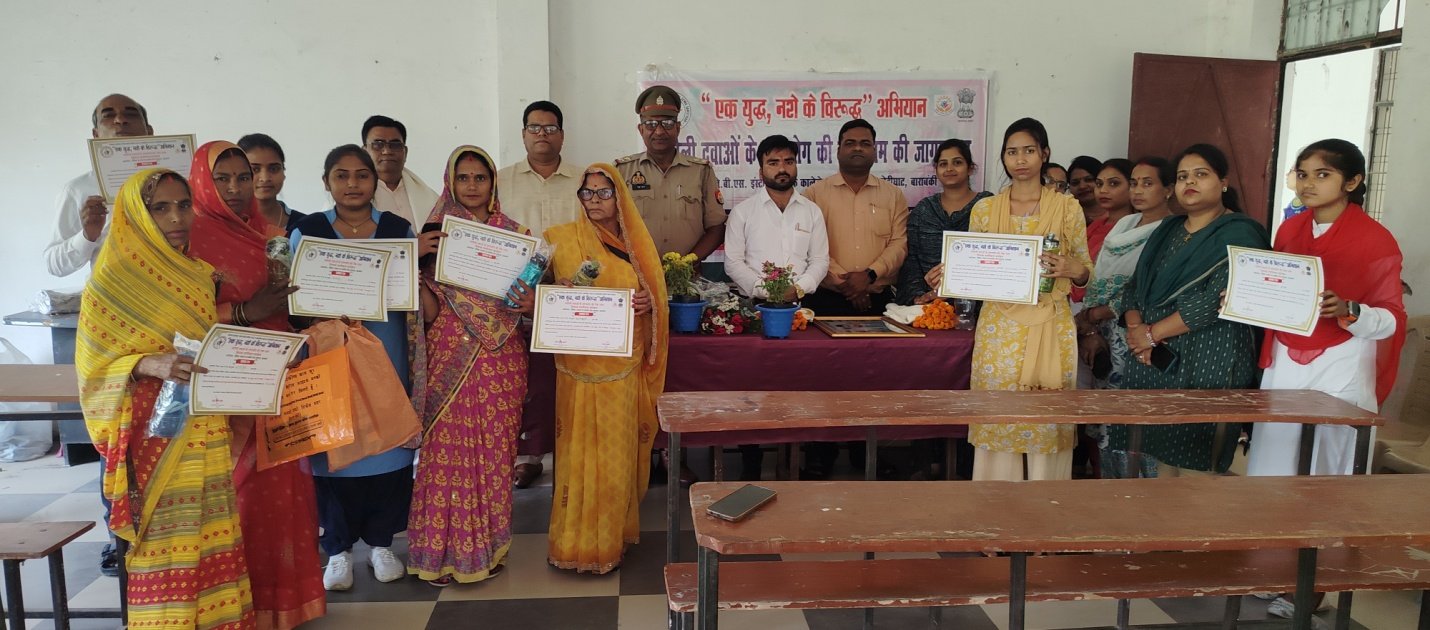
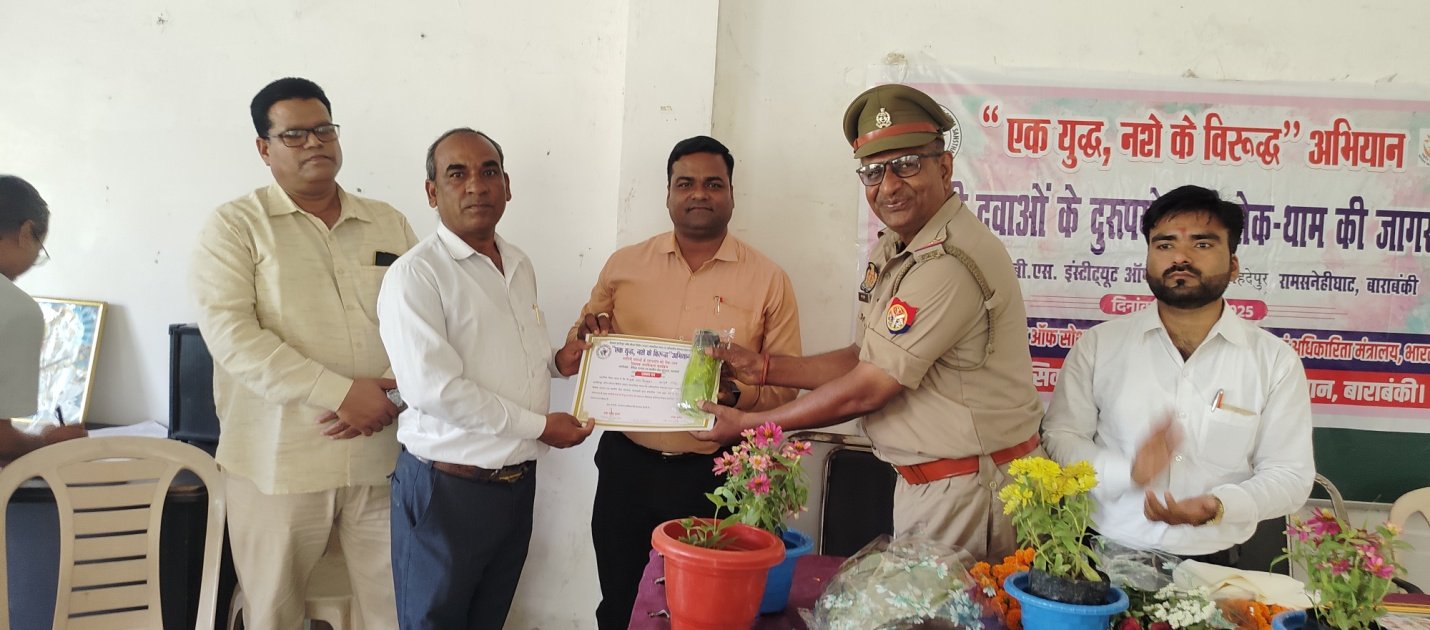
- Direct sensitization of 17,500 students, 1,000 teachers and SHG members
- Indirect awareness reach of approximately 250,000 citizens
- Improved academic focus and mental health among students
- Reduced local crime rates
Physical Performance Report
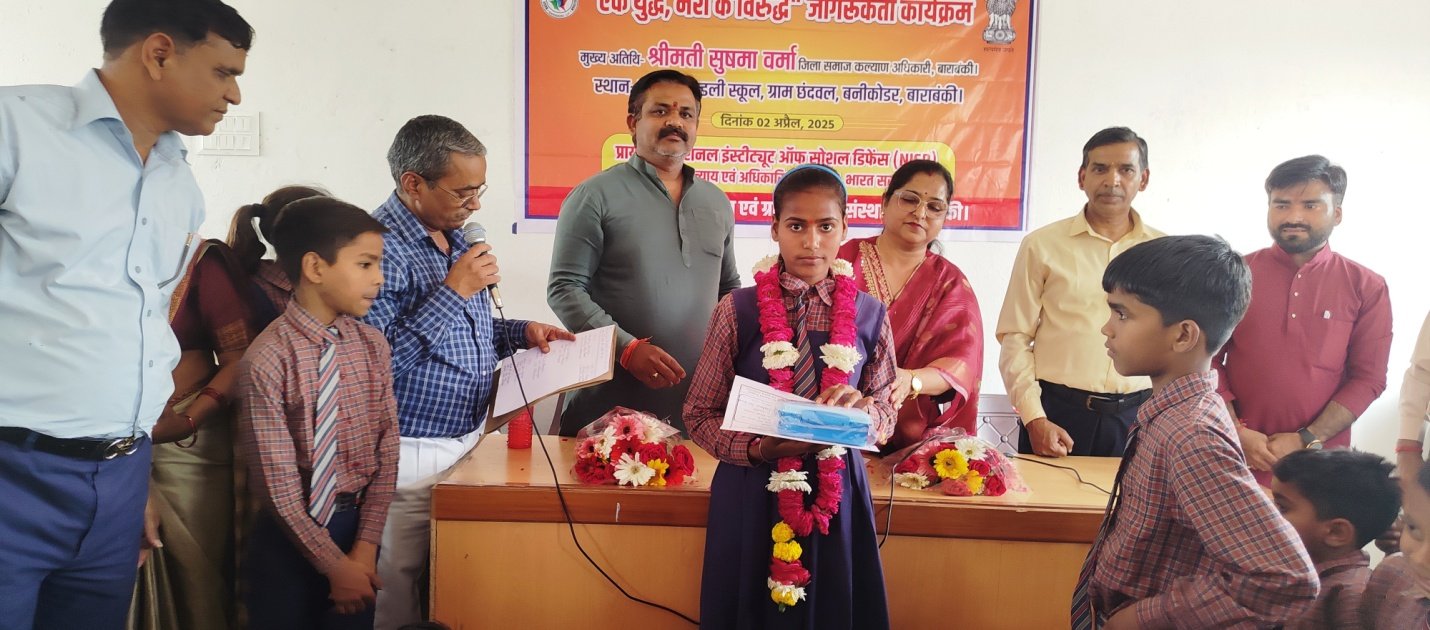
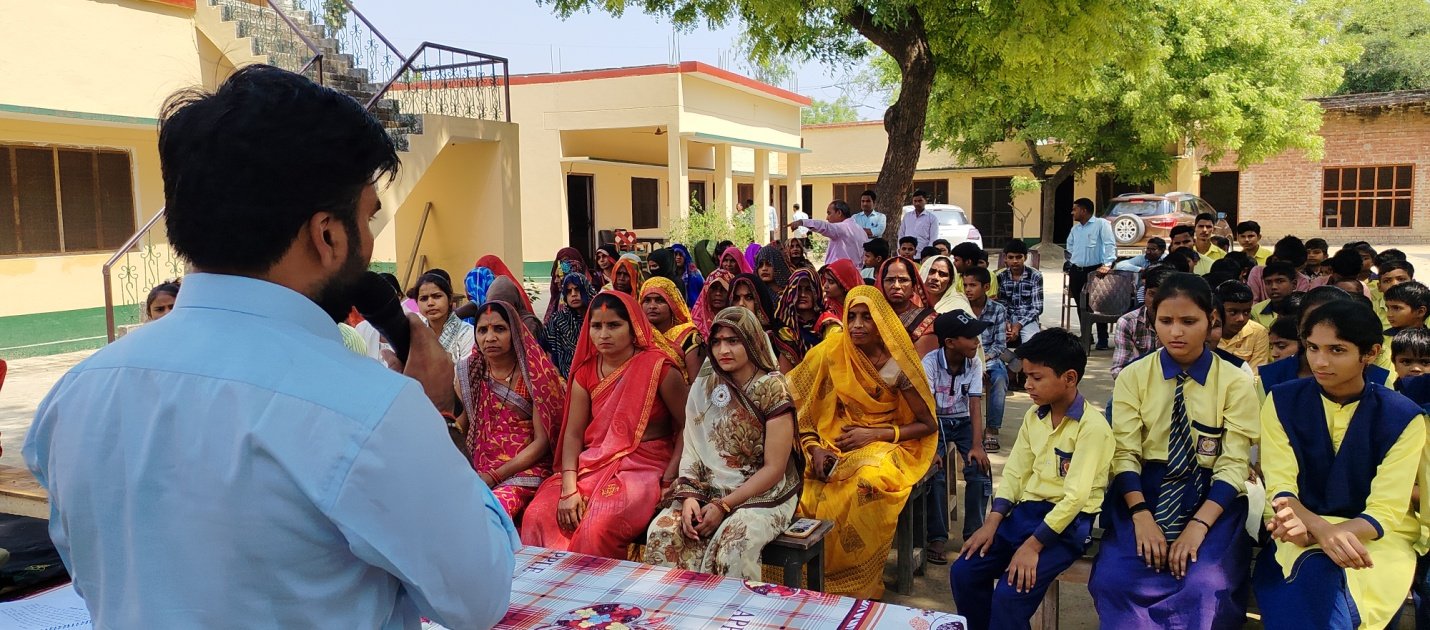
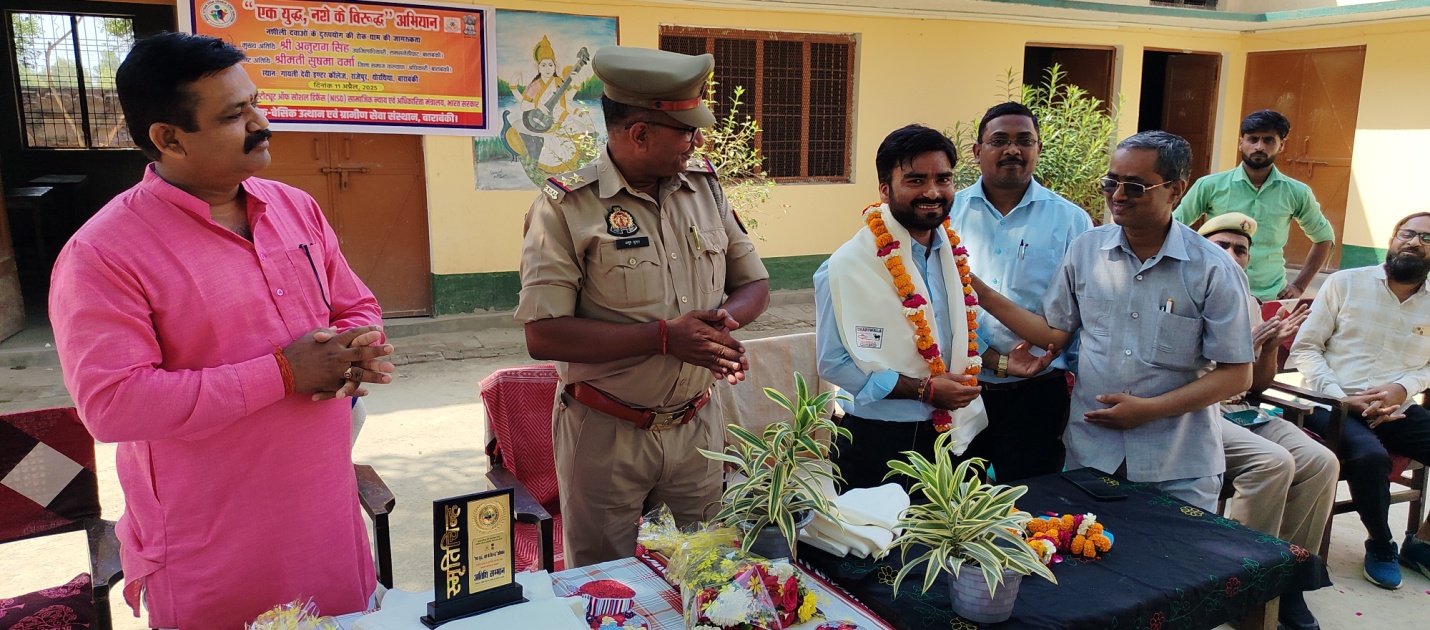
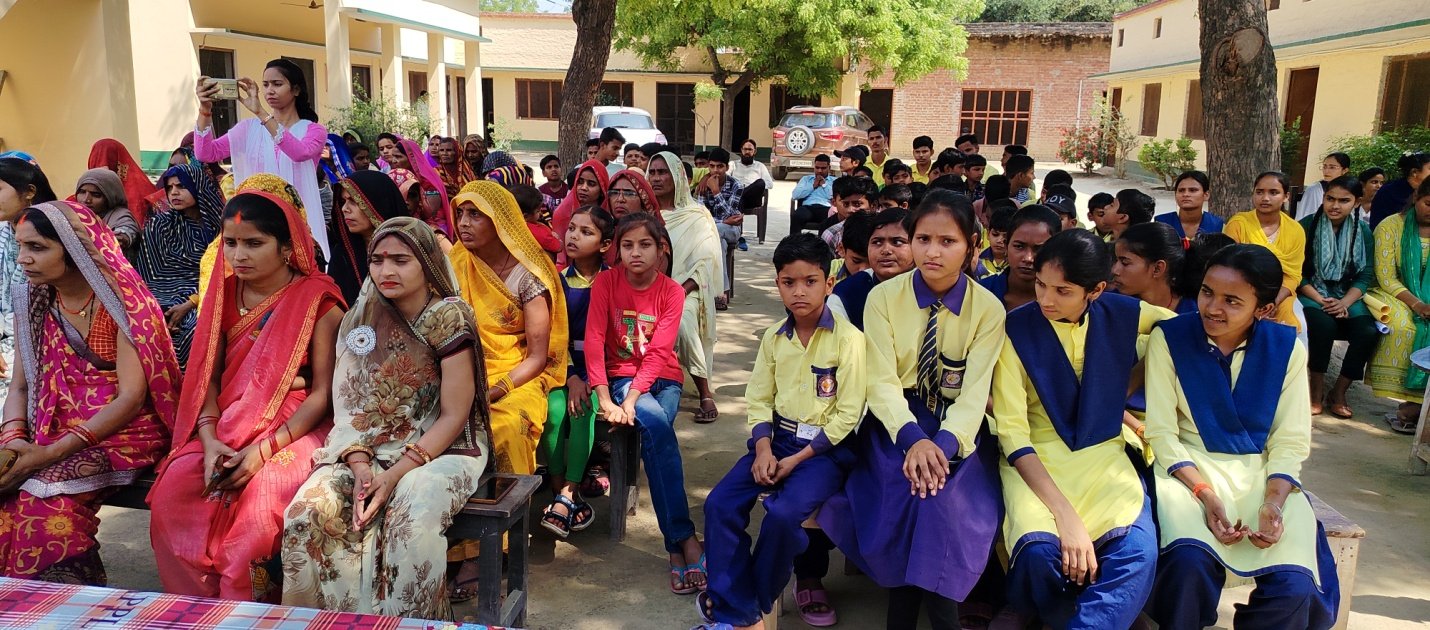
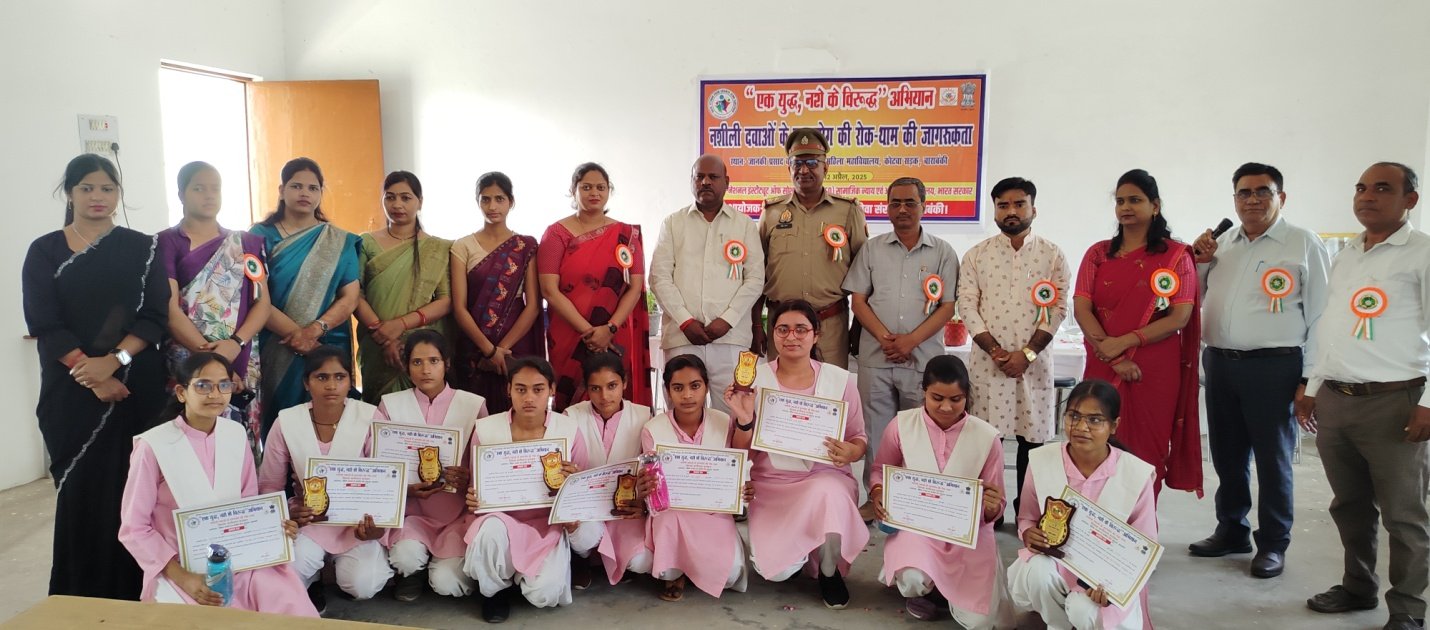
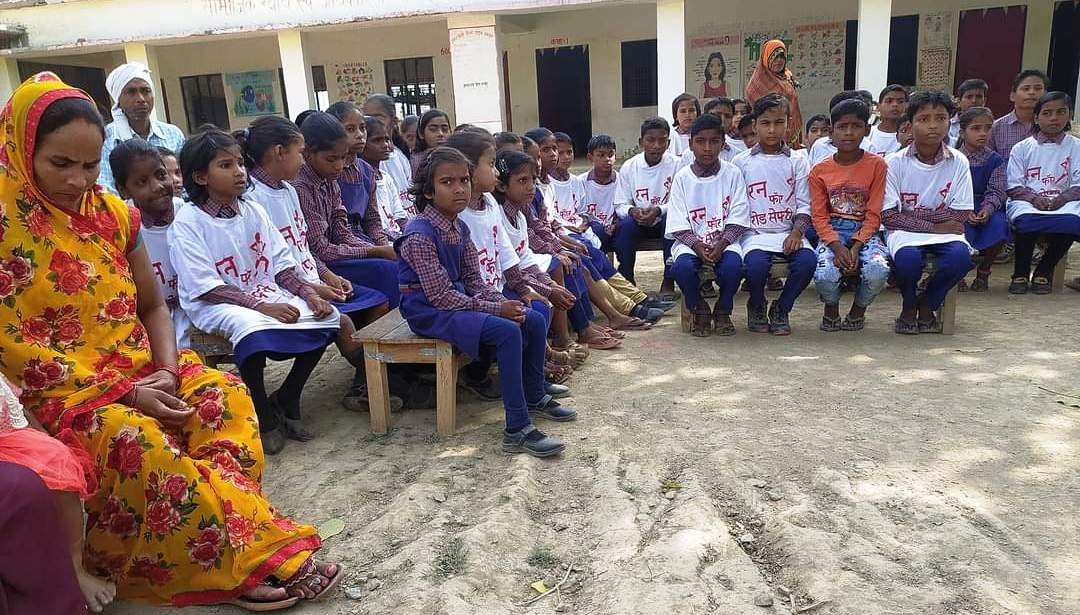
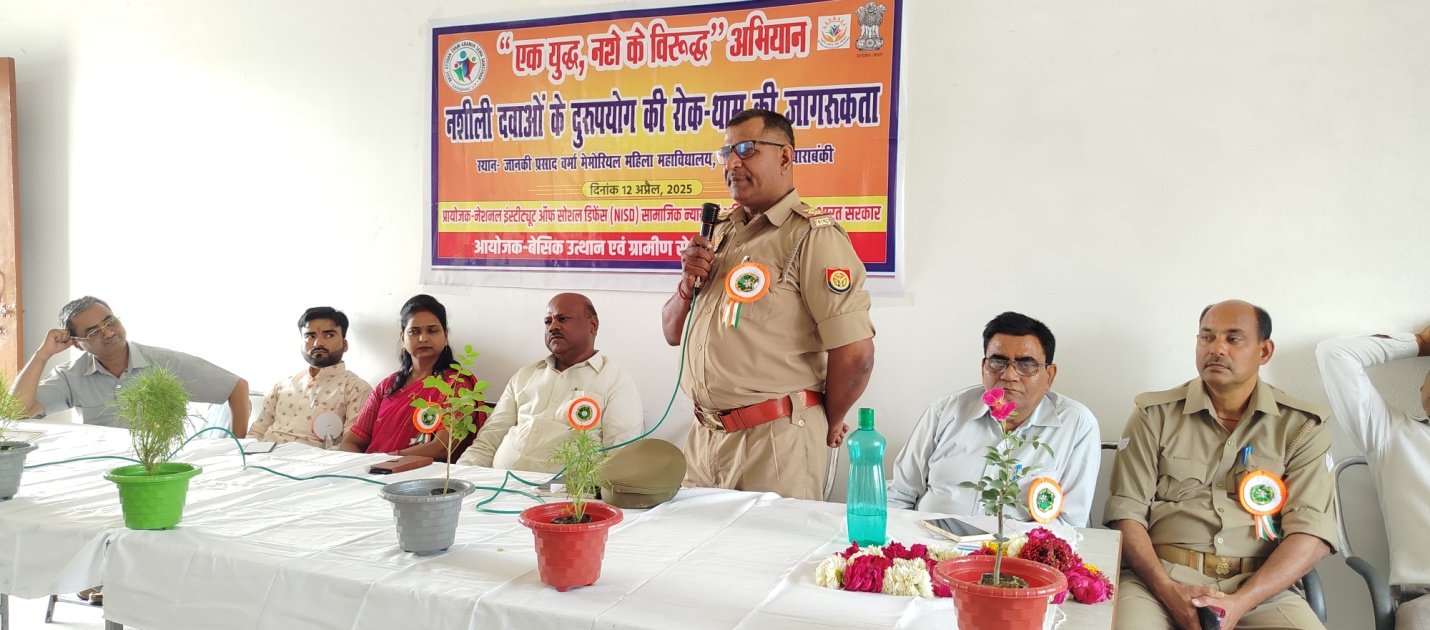
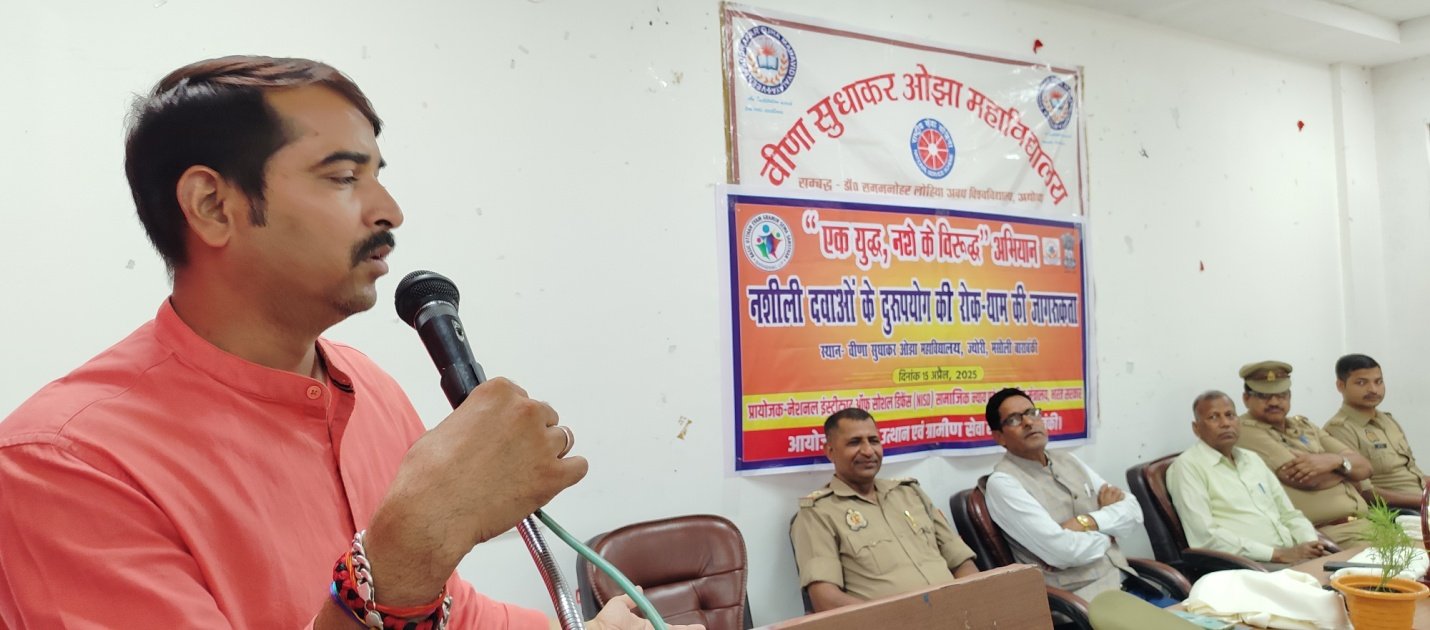
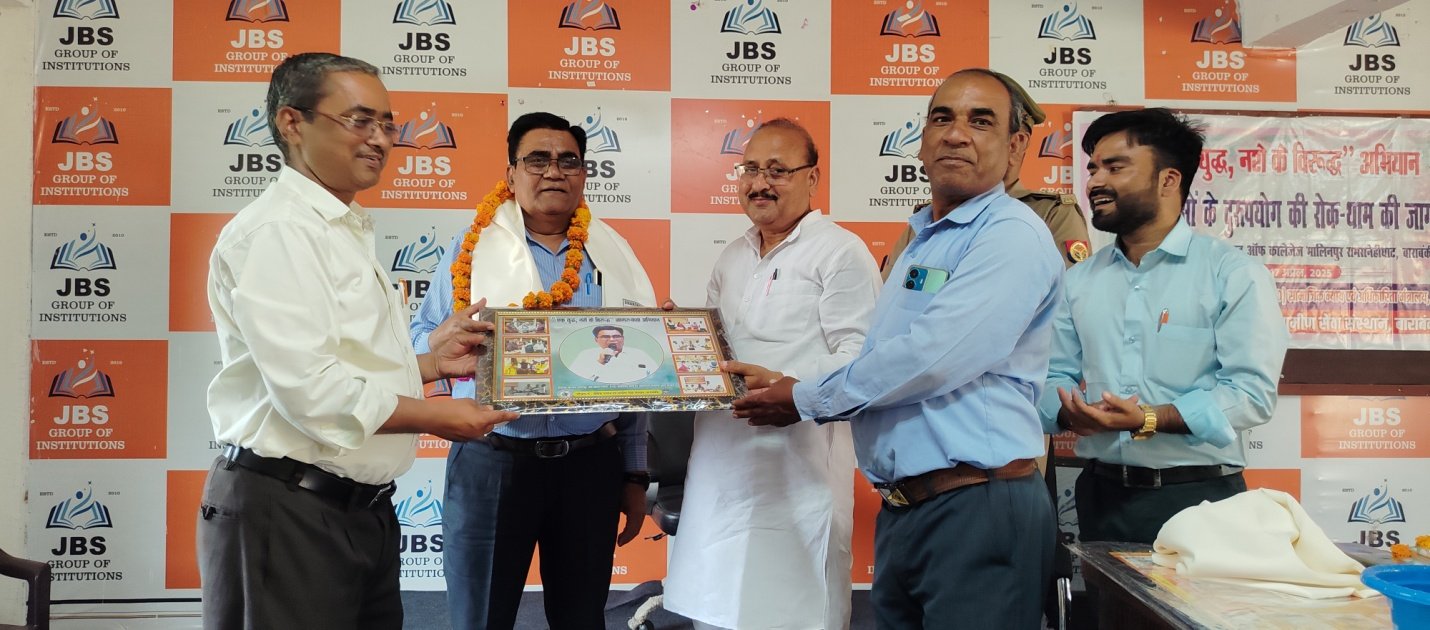
The organization executed seven educational programs across Barabanki district institutions.
| Institution | Date | Core Participants | Guest Attendees | Total |
|---|---|---|---|---|
| Child Friendly School, Chhandwal | 02-04-2025 | 155 | 20 | 175 |
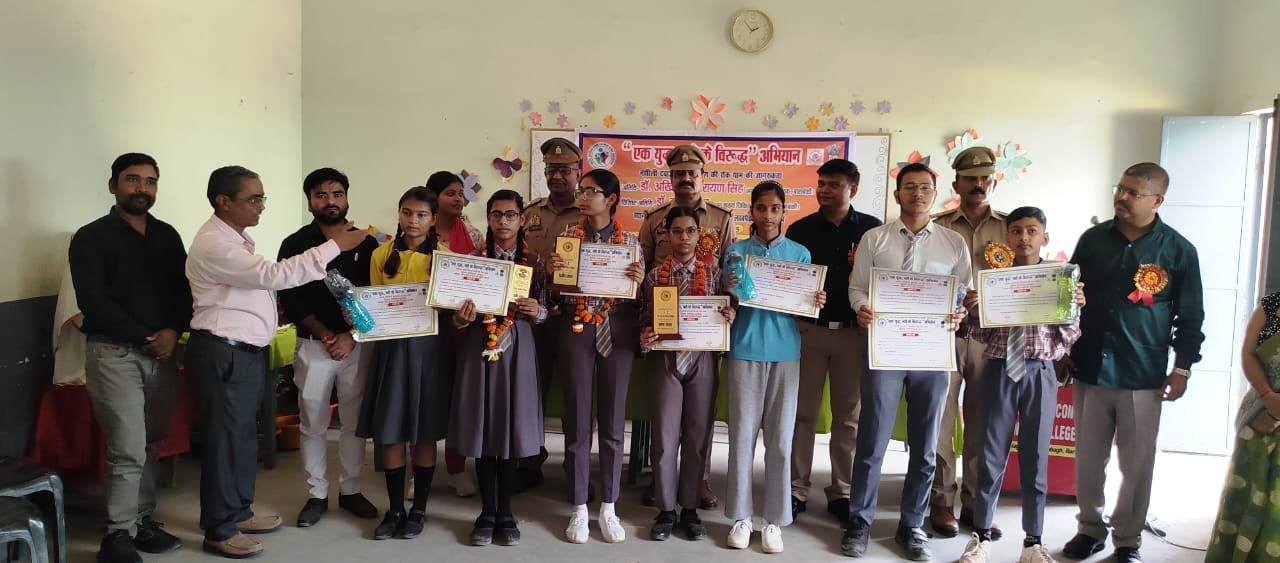
| Anand Vihar Convent Inter College | 08-04-2025 | 120 | 30 | 150 |
| Gayatri Devi Smarak Inter College, Rajepur | 11-04-2025 | 110 | 55 | 165 |
| Janki Prasad Verma Memorial Degree College | 12-04-2025 | 150 | 40 | 190 |
| Veena Sudhaker Ojha Mahavidyalaya, Masauli | 15-04-2025 | 130 | 20 | 150 |
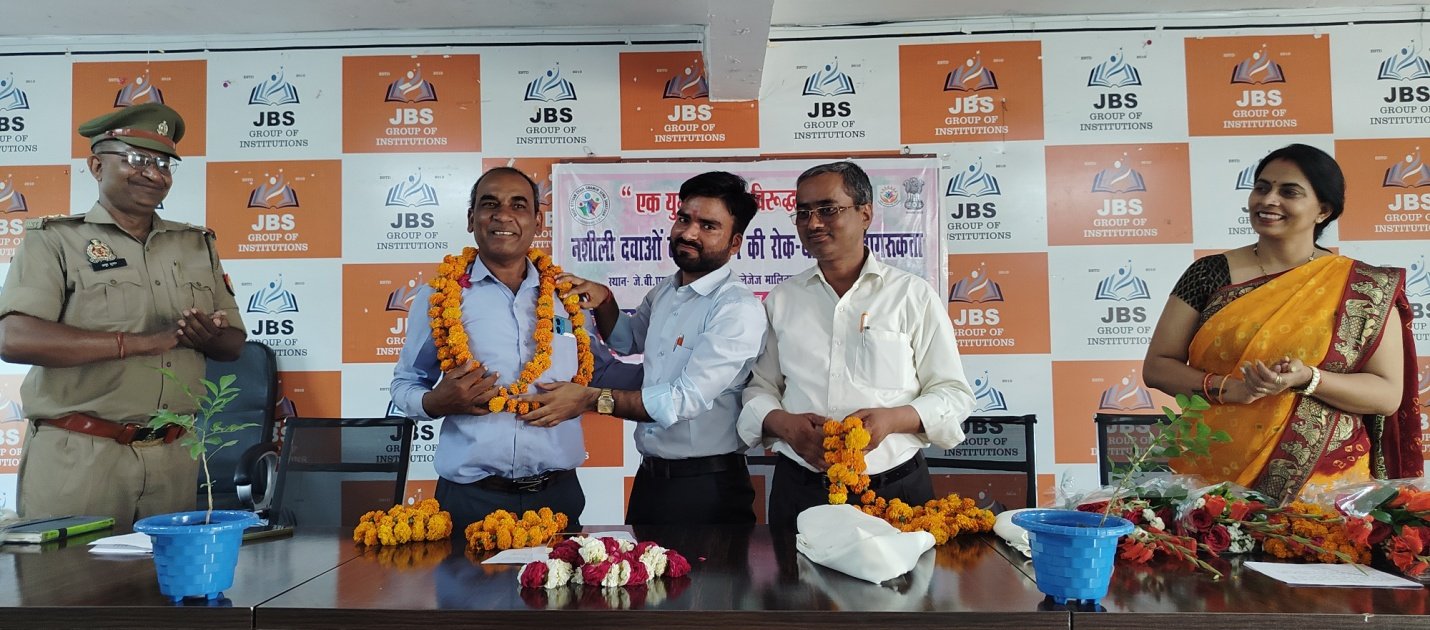
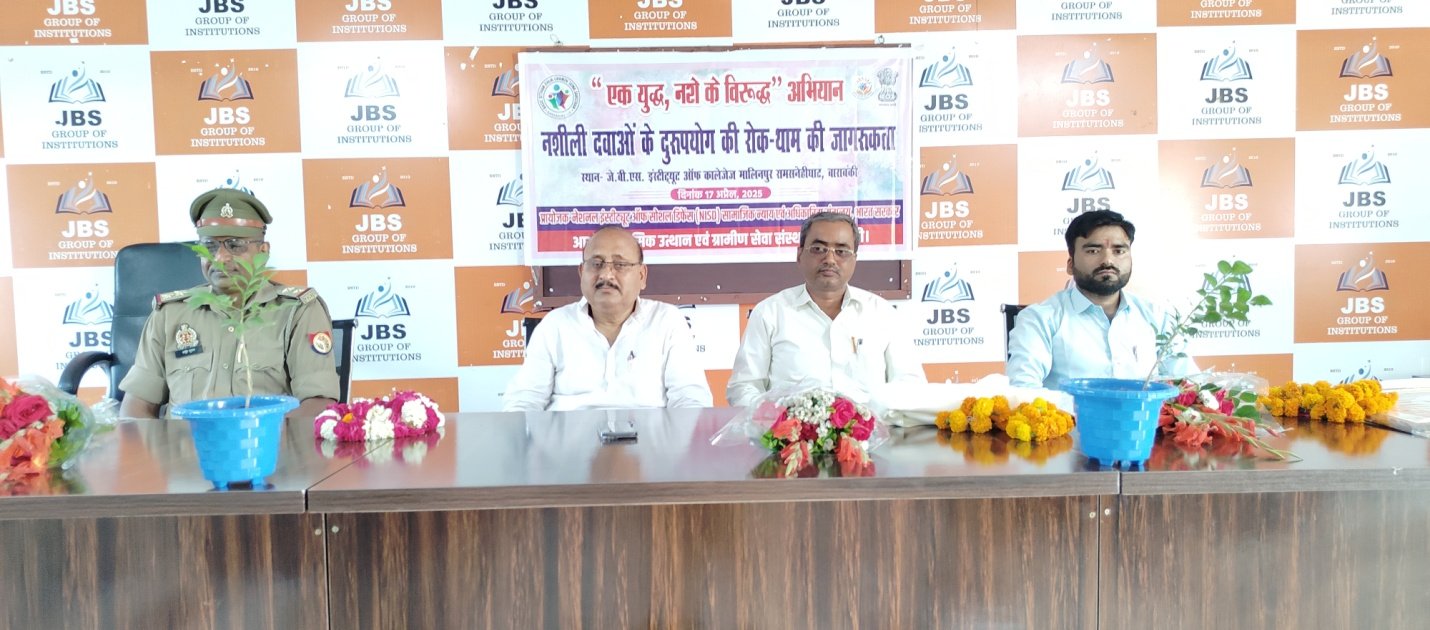
| JBS Institute of Colleges, Malinpur | 17-04-2025 | 120 | 15 | 135 |
| JBS Mahavidyalaya, Dulahdepur | 19-04-2025 | 110 | 10 | 120 |
| Ramarpit Degree College, Gazipur | 27-04-2025 | 475 | 25 | 500 |